About
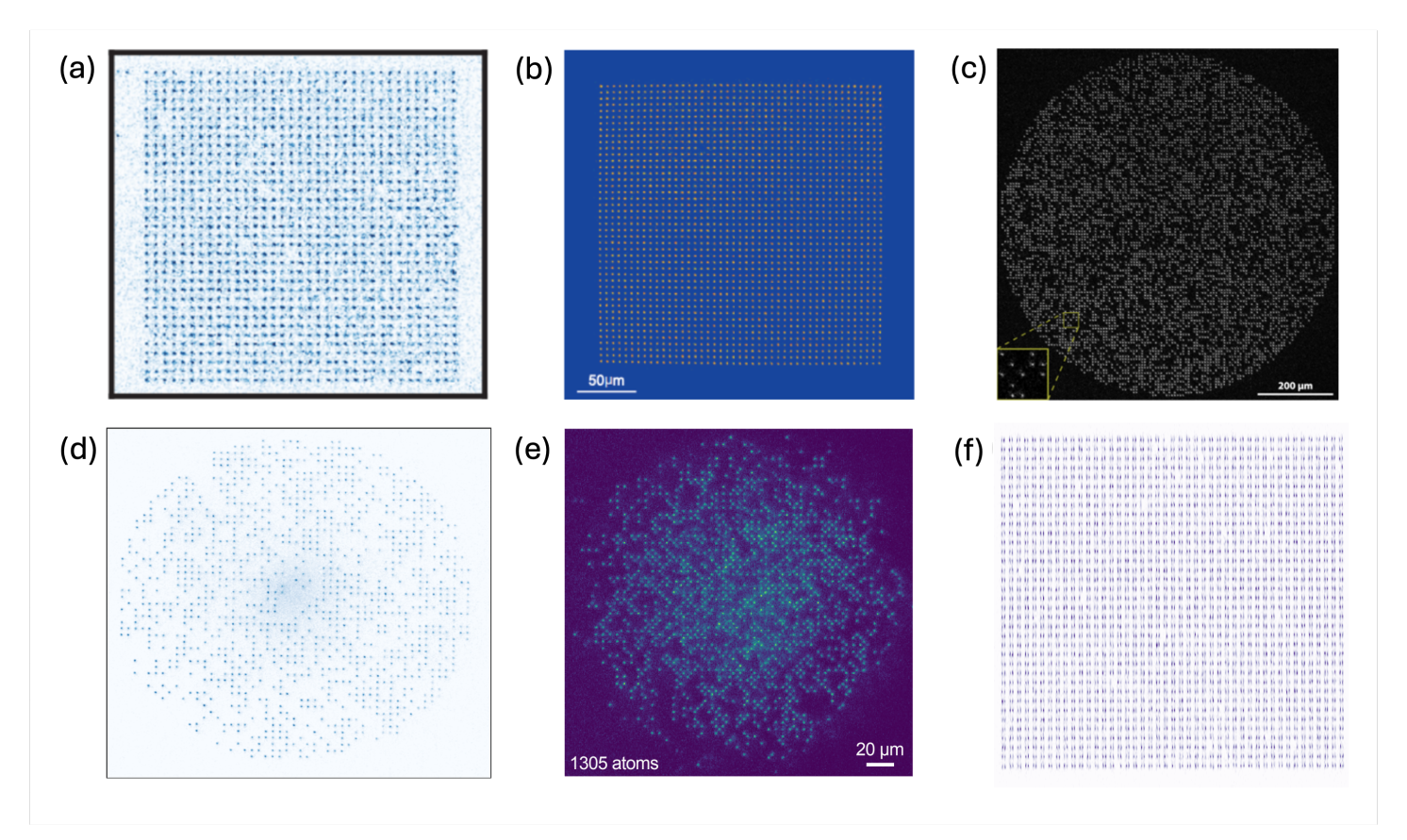
Google Quantum AI operates two complementary quantum hardware platforms. The first is its superconducting platform, built around Willow, a 105-qubit processor released in December 2024 and Google's flagship. Willow achieved the first below-threshold quantum error correction using the surface code, demonstrating 1 logical qubit and 99.88% two-qubit gate fidelity. It solved a benchmark problem in 5 minutes that would take a classical supercomputer 10 septillion years. Google targets fault-tolerant quantum computing by roughly 2029. The second is a neutral-atom platform announced in March 2026. Professor Adam Kaufman of JILA and CU Boulder leads a new team in Boulder, Colorado developing neutral-atom quantum computing across three areas: quantum error correction for atomic arrays, modeling and simulation, and experimental hardware. Neutral atoms offer near-unlimited scaling of qubit count, complementing Willow's strengths in circuit depth and gate speed. Google's dual-modality strategy is one of the first by a major quantum hardware company. Google has also produced a series of research results. In October 2025 it published the Quantum Echoes algorithm in Nature, demonstrating the first verifiable quantum advantage on actual hardware, running 13,000 times faster than the best classical algorithm on the out-of-time-order correlator problem on Willow, with implications for drug discovery through molecular behavior modeling. In 2025, Google achieved 99.99% magic state fidelity, a 40-fold improvement that reduces the overhead for fault-tolerant computation. In March 2026 it reported a 20-fold reduction in the resources needed to break current cryptographic standards, reinforcing a 2029 target for post-quantum cryptography migration. In October 2025, Google acquired Atlantic Quantum for its fluxonium expertise and embedded cryogenic control technology. In August 2025, Google Quantum AI published research on hexagonal qubit grid surface codes (arXiv:2508.08116), demonstr
Quantum Specifications
| Qubit Technology | Superconducting |
| Physical Qubits | 105 |
| Logical Qubits | 1 |
| 2Q Gate Fidelity | 99.88% |
| Error Correction | Surface-code |
| Quantum Focus | hardware |
Key People
Backed By
Application Areas
Research Partners
Frequently Asked Questions
Related News
New estimates From Google Quantum AI show quantum attack on Bitcoin is closer than thought
As Google 'refuses' funding from Trump administration for Quantum Computing; Google Quantum AI COO says: - The Times of India
King’s gains Google Quantum AI Willow access | ETIH EdTech News - EdTech Innovation Hub
Google Quantum AI is Now Accepting Proposals for Early Access to their Willow Quantum Processor - Quantum Computing Report
Google Quantum AI is Now Accepting Proposals for Early Access to their Willow Quantum Processor