
Top 10 Quantum Startups in India 2026: Driving India’s National Quantum Mission
India’s quantum ambitions will depend on more than research funding. They require domestic companies capable of converting scientific advances into usable hardware, software, secure networks, sensors and industrial applications. These ten startups show that India’s ecosystem is beginning to develop across the full quantum technology stack. Their progress will influence the country’s technological independence, cybersecurity readiness, skilled workforce and ability to compete in the emerging global quantum economy.
Understand this faster with AI


India’s quantum technology ecosystem is moving from academic research towards commercial products, indigenous hardware and strategically important infrastructure.
The country’s National Quantum Mission, approved in April 2023 with an investment of ₹6,003.65 crore for the period 2023–24 to 2030–31, has given this transition a national framework. Its objectives include developing quantum computers with 50 to 1,000 physical qubits, establishing intercity and satellite quantum communication links spanning up to 2,000 kilometres,
advancing quantum sensing and building domestic capabilities in quantum materials and devices.
Four National Quantum Mission Thematic Hubs have been established for:
Quantum computing at the Indian Institute of Science, Bengaluru
Quantum communication at IIT Madras in association with C-DOT
Quantum sensing and metrology at IIT Bombay
Quantum materials and devices at IIT Delhi
These hubs connect researchers, institutions, startups and industry partners across India. By April 2026, the government said that the number of startups supported through the mission had expanded to 17.
Against this backdrop, QuantumNews.in has identified ten Indian startups that represent the breadth of the country’s quantum ecosystem.
How the companies were selected
This is an editorial ranking, not an official government list or investment recommendation. Companies were evaluated using five broad factors:
Technological originality and depth
Product development and commercial readiness
Funding, partnerships and customer traction
Direct participation in, or alignment with, the National Quantum Mission
Contribution to India’s broader quantum technology ecosystem
The term “quantum startup” is used broadly. It includes companies developing quantum computers, communication systems, quantum materials, sensors, enabling hardware, quantum-inspired simulation and software platforms.
Not every company included below receives direct NQM funding. Some are independent businesses whose technologies support the mission’s larger objectives.
1. QNu Labs
Focus: Quantum-safe cybersecurity, QKD, QRNG and post-quantum cryptography
QNu Labs is one of India’s most established quantum technology startups and one of the country’s most visible companies in quantum-secure communication.

Incubated at IIT Madras Research Park, the Bengaluru-based company develops quantum key distribution systems, quantum random number generators, post-quantum cryptography solutions and cryptographic key-management infrastructure.
Its QShield platform brings these technologies together into an integrated security architecture that can be deployed across enterprise networks, data centres, cloud systems and critical infrastructure. The company has positioned its offering as a migration platform through which organisations can assess their cryptographic exposure and gradually move towards quantum-safe security.
QNu Labs was among the first eight startups selected for support under national quantum and cyber-physical systems programmes. In 2025, it raised ₹60 crore in a Series A round that included support from the National Quantum Mission and private investors.
Its strategic importance increased further in April 2026, when the government announced that QNu Labs technology had been used to demonstrate a 1,000-kilometre quantum communication network. The demonstration directly supports the National Quantum Mission’s objective of establishing long-distance quantum-secure communication infrastructure.
Why QNu Labs matters
Quantum-safe cybersecurity is likely to become one of the earliest commercially significant quantum markets. Banks, defence organisations, telecom operators and government agencies must begin preparing for cryptographically relevant quantum computers long before those systems are fully operational.
QNu Labs therefore sits at the intersection of national security, digital infrastructure and enterprise cybersecurity.
View the QNu Labs company profile
2. QpiAI
Focus: Superconducting quantum computers, control systems, software and AI-quantum integration
QpiAI is attempting one of the most ambitious projects in India’s private quantum sector: building a vertically integrated quantum computing stack.
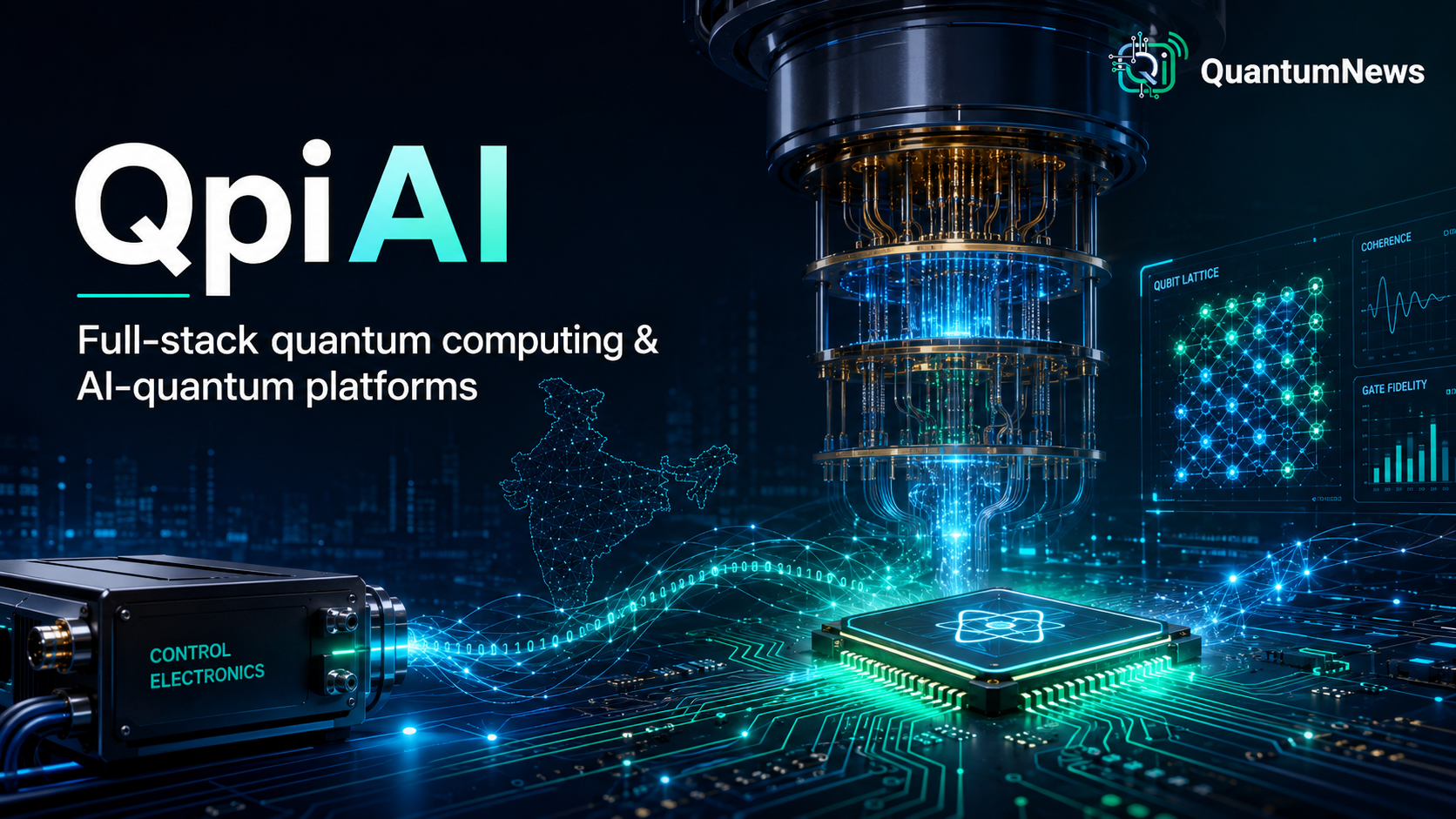
In April 2025, QpiAI unveiled QpiAI-Indus, a 25-qubit superconducting quantum computing system. The Department of Science and Technology described it as one of India’s most powerful quantum computers and the country’s first full-stack quantum computing system.
QpiAI subsequently raised $32 million in a funding round led by Avataar Ventures and the National Quantum Mission. The investment was directed towards developing more powerful and reliable quantum computers and expanding applications in areas such as drug discovery, agriculture and manufacturing.
The company has also pursued quantum computing infrastructure partnerships, including collaborations intended to provide quantum computing as a service and hybrid quantum-classical computing environments.
Why QpiAI matters
India cannot become strategically independent in quantum computing through software access alone. It also needs domestic capabilities in processors, cryogenic integration, control electronics, fabrication, calibration and system software.
QpiAI’s importance comes from its attempt to bring these elements together within a single Indian company.
View the QpiAI company profile
3. BQP — formerly BosonQ Psi
Focus: Quantum-inspired engineering simulation and digital twins
BQP, formerly known as BosonQ Psi, is building computational tools for complex engineering and scientific simulations.
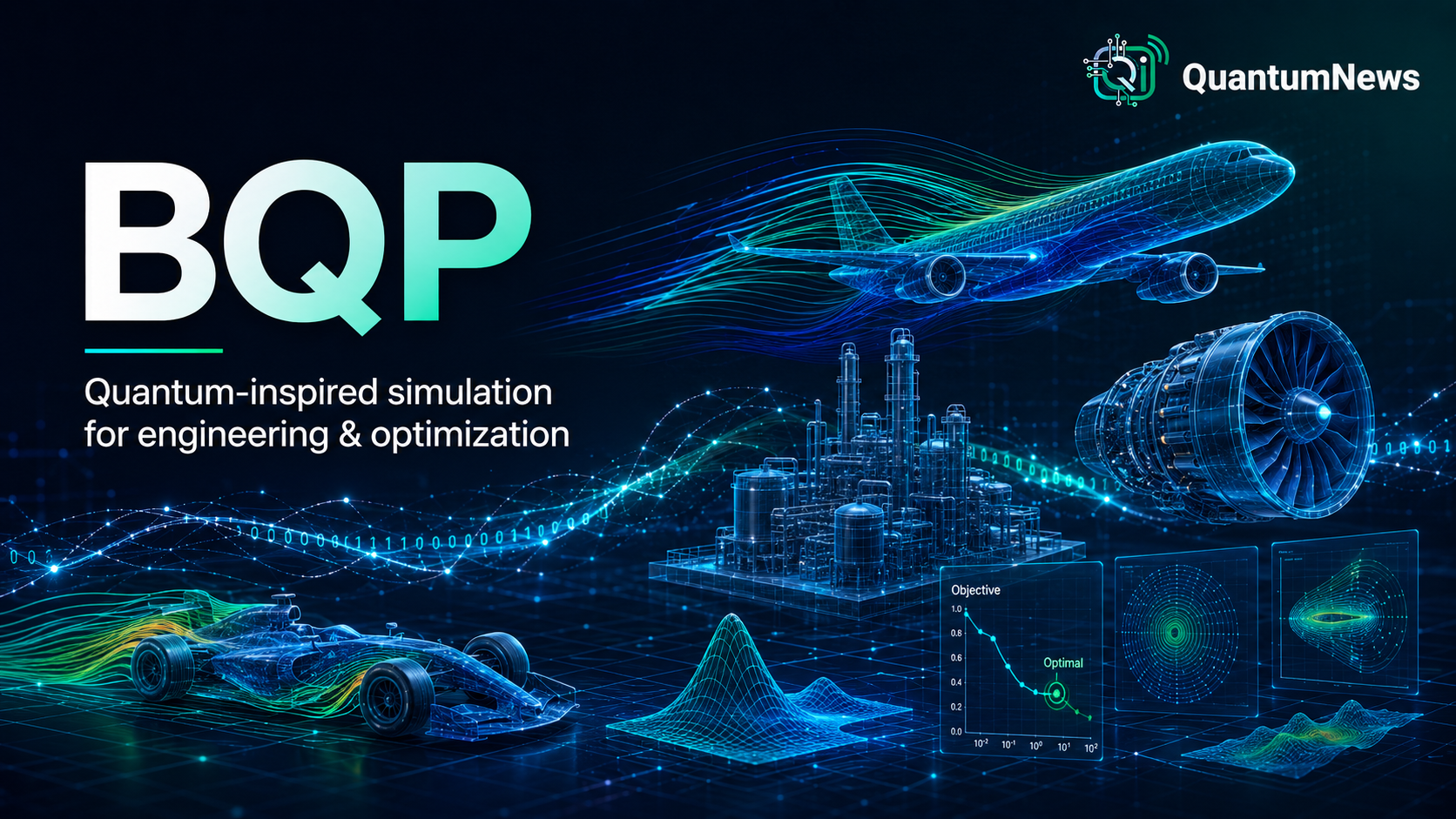
Unlike companies waiting for large fault-tolerant quantum computers, BQP is targeting problems that can be addressed on existing classical and hybrid computing infrastructure. This makes its commercial strategy particularly relevant during the current stage of the quantum industry.
The company became the first Indian startup to join the IBM Quantum Network in 2023. It subsequently raised more than $3 million in seed funding, bringing its reported funding at the time to approximately $4.7 million.
Its work focuses on computationally intensive areas such as fluid dynamics, structural analysis, thermal modelling, optimisation and physics-informed machine learning.
Why BQP matters
India has large aerospace, automotive, manufacturing and defence sectors that depend on engineering simulation. Even incremental improvements in simulation speed or accuracy can reduce prototype costs and shorten product-development cycles.
BQP demonstrates that India’s quantum opportunity is not limited to manufacturing qubits. Quantum-inspired mathematics and hybrid computing can generate enterprise value before fault-tolerant quantum computers become widely available.
4. Quanfluence
Focus: Photonic computing and coherent Ising machines
Quanfluence is developing photonics-based computing systems for optimisation and, ultimately, scalable quantum computing.
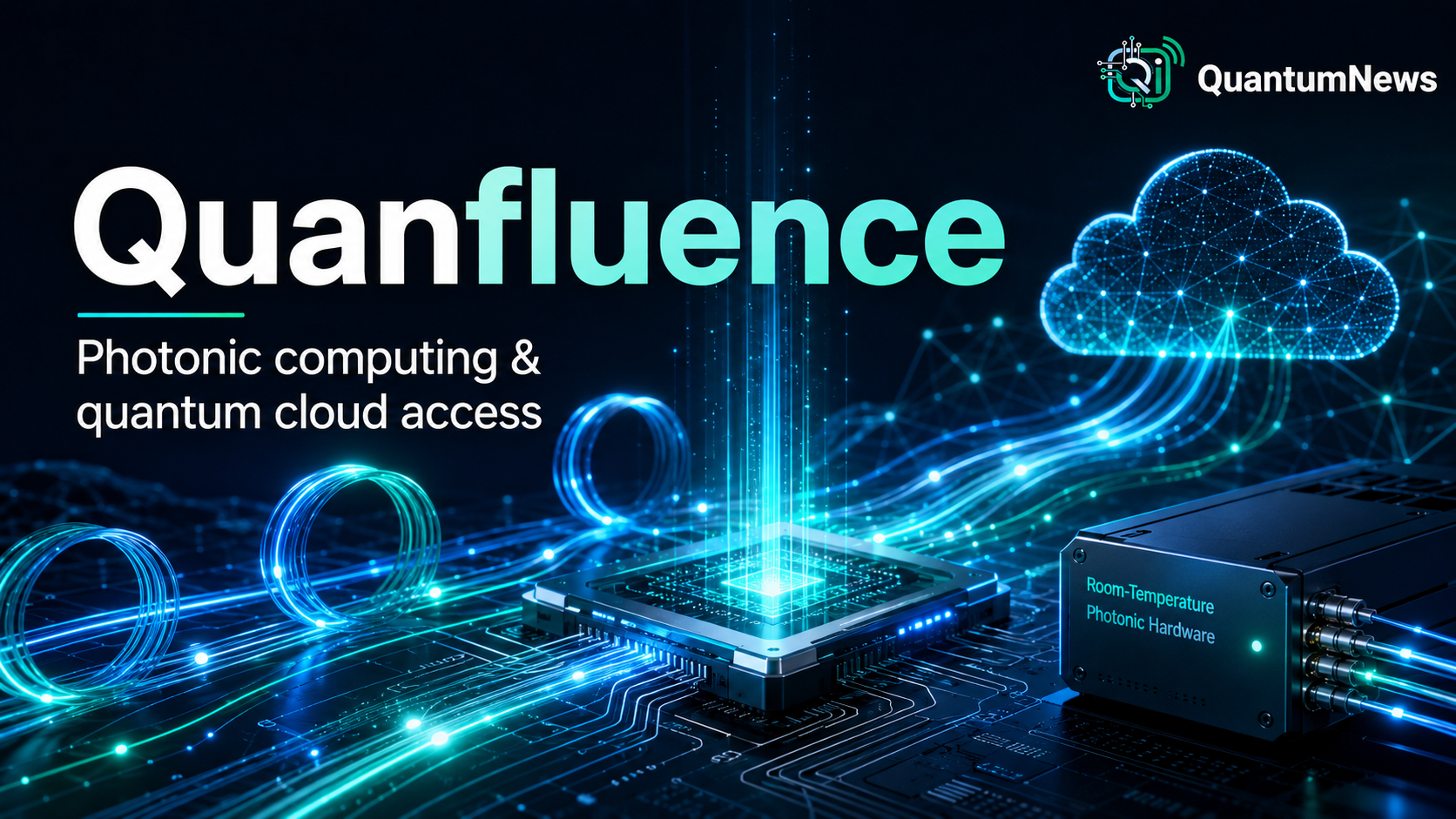
Near-term applications include logistics, financial optimisation, manufacturing, energy systems and supply-chain planning. In parallel, Quanfluence is working towards a room-temperature photonic quantum computing platform that integrates hardware, control systems and software.
In December 2024, the startup raised $2 million in seed funding led by pi Ventures, with participation from Golden Sparrow and other investors. The company said the funding would be used to commercialise near-term products and accelerate development of its quantum computer.
Why Quanfluence matters
Most quantum computers require extreme operating environments, including cryogenic refrigeration or highly controlled atomic systems. Photonic architectures offer an alternative route because photons can operate at or near room temperature and are naturally suited to communication and networking.
Quanfluence is significant because it combines a near-term optimisation product with a longer-term photonic quantum computing roadmap.
View the Quanfluence company profile
5. Bloq Quantum
Focus: No-code quantum algorithm development and enterprise adoption
Bloq Quantum is developing a software platform intended to simplify the process of building and testing quantum applications.

The platform includes no-code experimentation and a visual circuit studio through which users can construct feature maps, datasets and parameterised quantum circuits.
Bloq was one of nine additional startups selected for support under the National Quantum Mission in 2026. This expansion took the number of mission-supported startups to 17.
Why Bloq Quantum matters
Quantum computing adoption is constrained not only by hardware availability but also by a shortage of developers who understand quantum algorithms, circuit construction and hardware-specific optimisation.
Platforms that reduce this complexity can help enterprises move from general quantum awareness to structured experimentation. Bloq’s opportunity is therefore in creating the application-development and workflow layer between business data and quantum infrastructure.
View the Bloq Quantum company profile
6. Qulabs.ai
Focus: Quantum software, simulation, communication hardware and education
Qulabs.ai is one of India’s early multidisciplinary quantum technology companies.
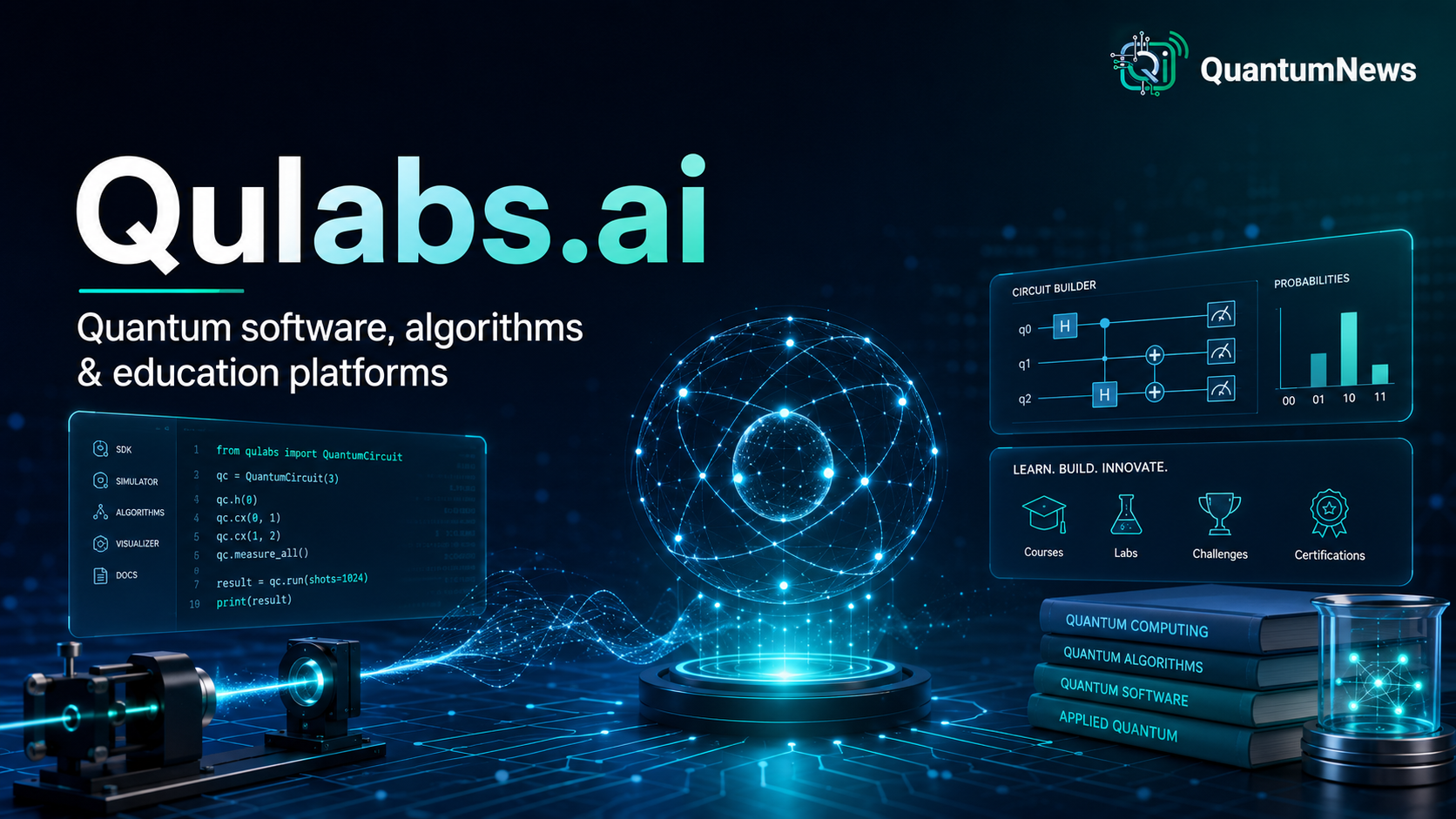
Qulabs has reported delivering a quantum-memory demonstrator toolkit to IIT Madras. Quantum memories are important because they can temporarily store quantum states, support entanglement distribution and help extend the range of future quantum communication networks.
The company’s education and training activities also address an important constraint in India’s quantum strategy: the shortage of engineers and researchers with practical experience in quantum computing and quantum optics.
Why Qulabs.ai matters
Qulabs represents a broader model of quantum startup development. Rather than concentrating on a single processor or algorithm, it combines research tools, experimental hardware, software and workforce development.
This combination is particularly valuable in an ecosystem where universities and companies require access to practical quantum laboratory systems alongside theoretical training.
View the Qulabs.ai company profile
7. Pramatra Space
Focus: Satellite-based quantum key distribution
Pramatra Space is developing satellite and terrestrial infrastructure for quantum-secure communication.

The company’s longer-term vision is to provide QKD as a service, allowing organisations to access quantum-secure key distribution without building and operating their own complete satellite infrastructure.
In May 2026, Pramatra Space raised an undisclosed pre-seed funding round led by Seafund Ventures. The investment is intended to support its hybrid satellite and terrestrial quantum-security infrastructure.
Why Pramatra Space matters
Satellite QKD is explicitly included in the National Quantum Mission’s long-term objectives. India intends to establish secure quantum communication between ground stations over distances of up to 2,000 kilometres and eventually enable secure links with other countries.
Pramatra Space is not among the initially announced NQM-funded startups, but its technology is closely aligned with one of the mission’s most strategically important goals.
If successful, the company could contribute to secure communication for financial institutions, data centres, government networks, defence systems and multinational enterprises.
View the Pramatra Space company profile
8. Pristine Diamonds
Focus: Quantum-grade diamond materials and NV-centre sensing
Pristine Diamonds is developing specialised diamond materials for quantum sensing.
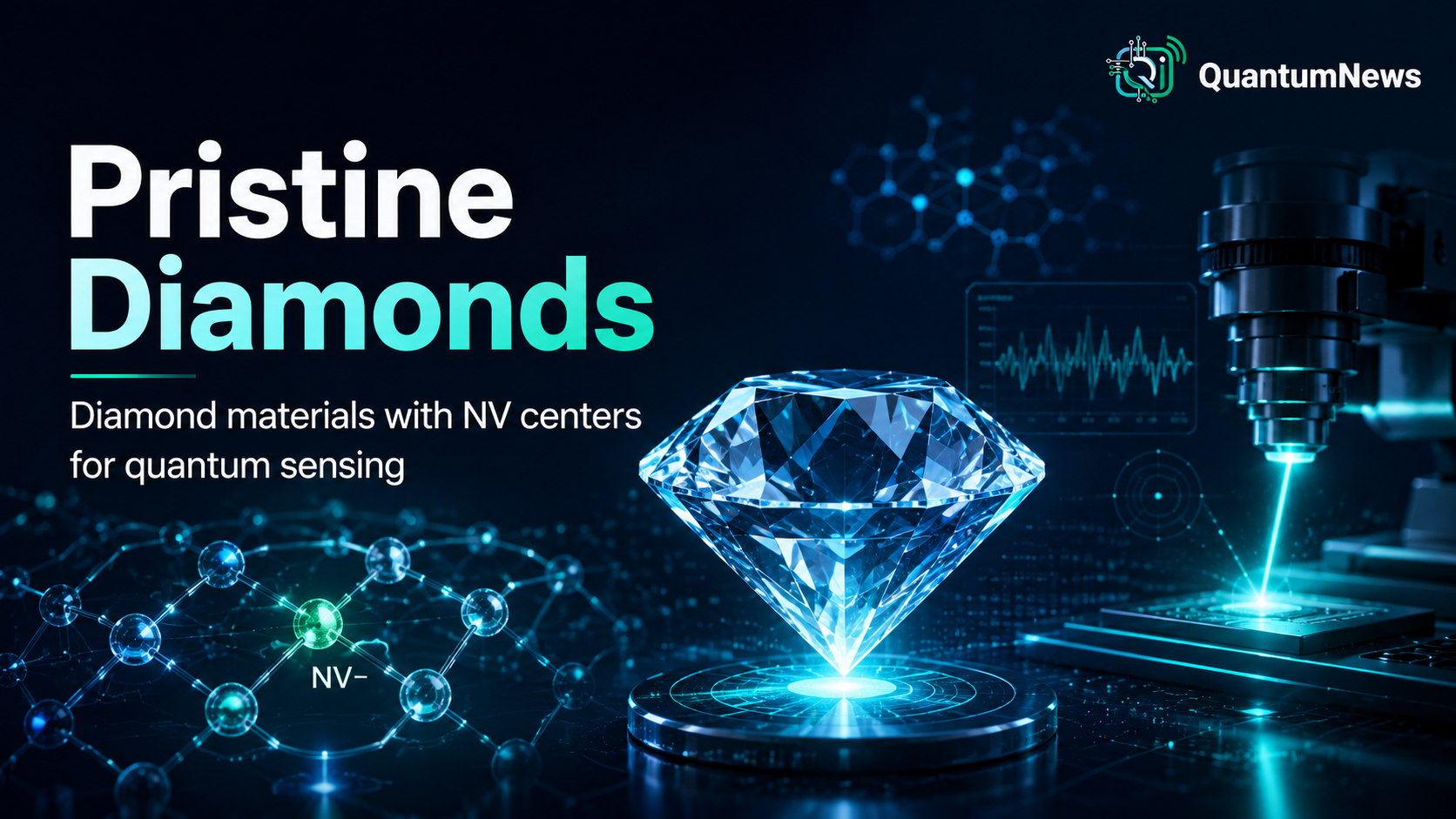
Potential applications include navigation, medical diagnostics, mineral exploration, defence, materials inspection and precision scientific instruments.
Pristine Diamonds was among the first eight startups selected for support under the National Quantum Mission and related national programmes. The Department of Science and Technology identified the Ahmedabad company’s role as creating diamond materials for quantum sensing.
Why Pristine Diamonds matters
Quantum technologies depend on highly specialised materials, not only processors and algorithms. Producing quantum-grade diamond requires precise control over purity, crystal structure and the density and placement of defects.
India already has considerable expertise in synthetic diamond manufacturing. Pristine Diamonds has the opportunity to connect that industrial base with the emerging market for quantum sensors and solid-state quantum devices.
Its inclusion also illustrates how the National Quantum Mission extends beyond computing and communications into materials science and precision measurement.
View the Pristine Diamonds company profile
9. Prenishq Pvt. Ltd.
Focus: High-precision diode lasers and quantum sensors
Prenishq is an IIT Delhi spin-off developing high-precision laser systems and quantum instrumentation.
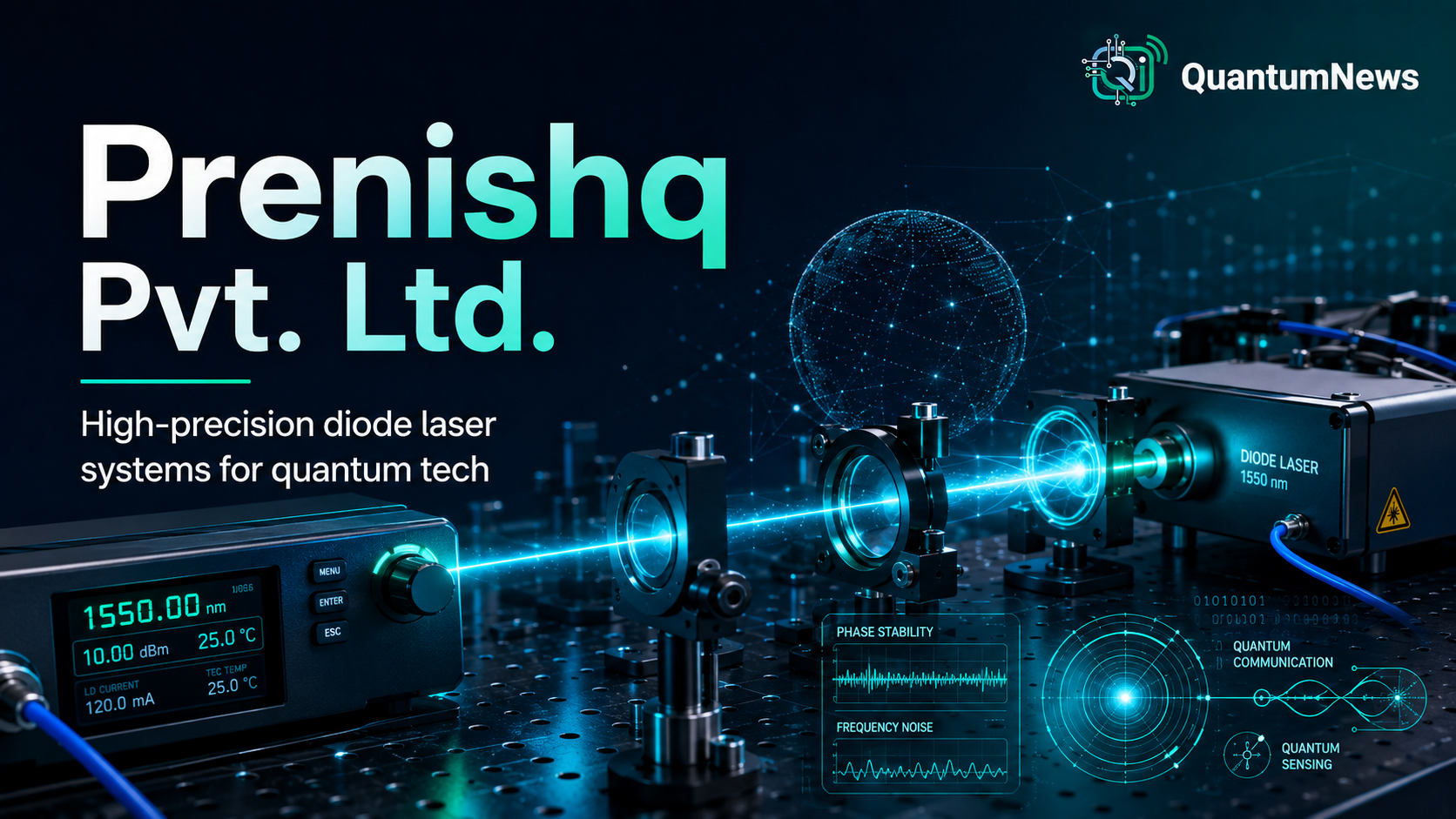
Prenishq was selected among the first group of startups supported through India’s national quantum programmes. The company was tasked with developing precision diode-laser systems for the country’s quantum technology sector.
In November 2025, the Department of Science and Technology announced that Prenishq had demonstrated what it described as India’s first indigenous high-precision compact diode laser for quantum communication and computing.
The system supports wavelengths ranging from ultraviolet to near-infrared and is designed for quantum research, education and industrial integration.
Why Prenishq matters
Much of the global quantum hardware supply chain is concentrated outside India. Dependence on imported lasers, detectors, cryogenic components and control electronics can increase costs, extend development timelines and create strategic vulnerabilities.
Prenishq addresses one part of this supply-chain problem by developing indigenous quantum-grade instrumentation.
Although precision lasers may receive less public attention than quantum processors, they are essential to building and operating many kinds of quantum systems.
View the Prenishq company profile
10. Qkrishi
Focus: Quantum algorithms, financial applications and quantum operating software
Qkrishi is a female-founded Indian quantum software company initially established to develop quantum models, algorithms and kernels for industries including finance, automotive, agriculture, logistics, healthcare and energy.
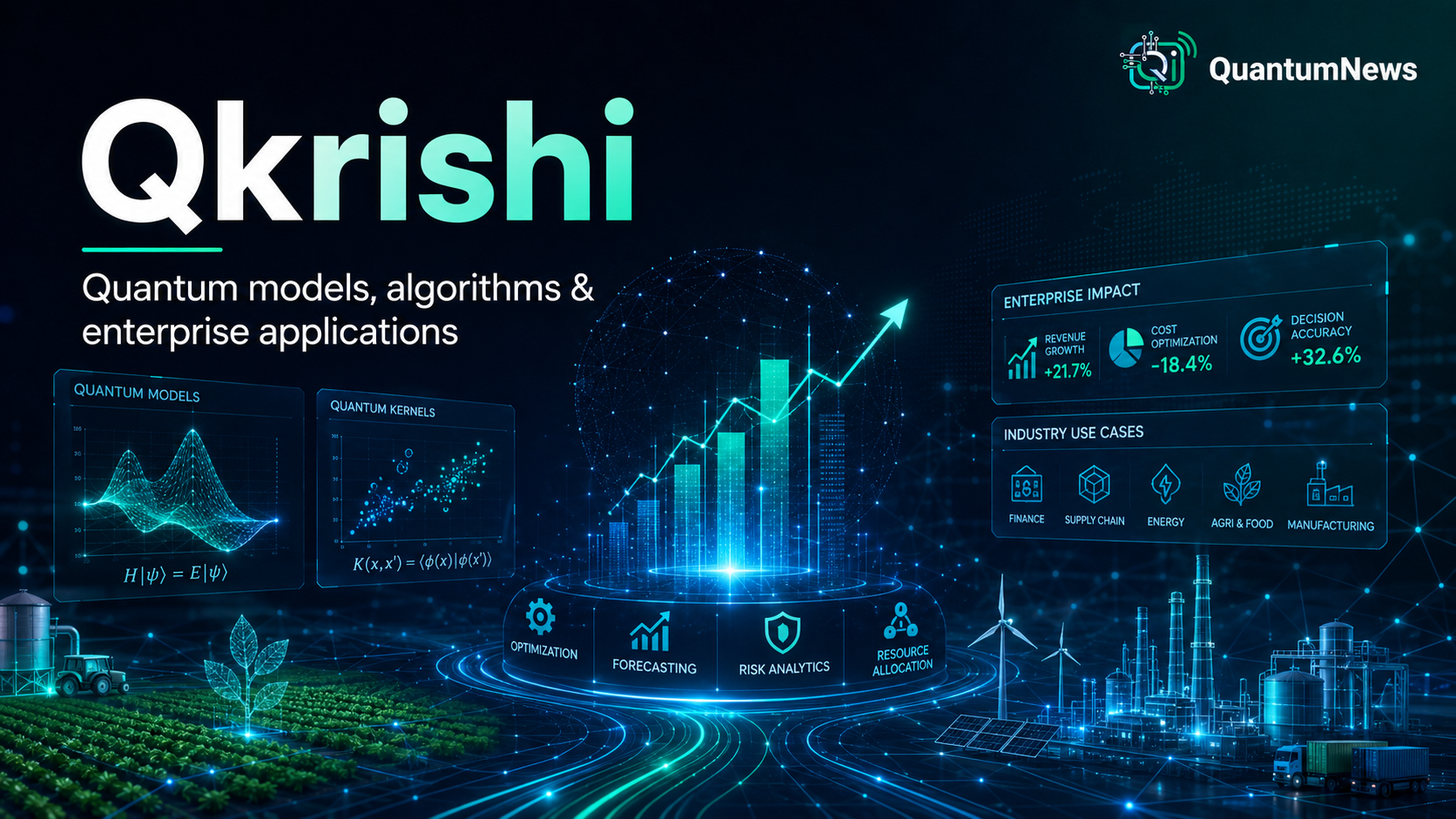
Qkrishi has also worked on quantum education and industry-readiness programmes with institutions including IISER Tirupati and Birla Institute of Management Technology.
The company was founded by Monika Aggarwal and Prabha Narayan, making it one of the relatively small number of female-founded companies in the global quantum sector.
Why Qkrishi matters
Financial services are expected to become an important market for quantum optimisation, risk analysis, portfolio construction, pricing and machine learning.
However, financial institutions need software tools, trained teams and validated use cases before they can benefit from quantum hardware. Qkrishi’s combination of algorithms, runtime software and workforce development addresses these adoption requirements.
View the Qkrishi company profile
How these startups support India’s quantum ambitions
Together, the ten companies illustrate the breadth of the emerging Indian quantum technology industry.
QpiAI and Quanfluence are pursuing different quantum computing architectures. QNu Labs and Pramatra Space are addressing terrestrial and satellite quantum security. Pristine Diamonds and Prenishq are building enabling materials and instrumentation. BQP, Bloq Quantum, Qulabs.ai and Qkrishi are developing software, simulation tools, application platforms and talent.
This diversity is important because no country can build a competitive quantum industry by concentrating only on qubit counts.
A functioning quantum economy requires:
Processors and fabrication facilities
Cryogenic, photonic and electronic control systems
Lasers, detectors and quantum-grade materials
Quantum networking and cybersecurity infrastructure
Compilers, runtimes, algorithms and application software
Testing, calibration and benchmarking capabilities
Skilled engineers, researchers and enterprise users
India’s emerging startup ecosystem now contains companies working across most of these layers.
The road aheadIndia has created a substantial policy and research framework, but the next stage will be more difficult.
The success of these startups will depend on whether they can move from laboratory demonstrations to repeatable products, manufacturing and long-term customer deployments.
Several questions will shape the ecosystem during the remainder of the decade:
Can Indian quantum hardware companies improve reliability and scale while keeping critical components indigenous?
Can quantum communication startups demonstrate security, interoperability and commercial viability across large production networks?
Can software companies produce independently verified performance improvements on meaningful industrial problems?
Can universities, government laboratories and companies create enough specialised talent to support a growing industry?
And can public funding attract sustained private investment rather than becoming the only source of capital for high-risk projects?
The National Quantum Mission has given India a rare opportunity to participate in a major technology transition while the global industry is still developing.
The companies that succeed will not necessarily be those making the largest claims. They will be the ones that build defensible intellectual property, publish credible performance evidence, establish reliable manufacturing and solve problems that customers are prepared to pay for.
India’s quantum startup momentIndia’s quantum ecosystem is still young, but it is no longer purely experimental.
Indigenous quantum computers are being assembled. Quantum-safe communication networks are being demonstrated over increasingly long distances. Indian companies are developing lasers, photonic systems, quantum materials, enterprise platforms and satellite-security technologies.
The ten startups included in this list represent different parts of that transformation.
Some are directly funded by the National Quantum Mission. Others are independently building technologies that complement its objectives. Together, they show how India’s quantum ambitions are beginning to extend beyond research institutions and into commercially focused companies.
The next challenge is to turn this momentum into globally competitive products, sustainable businesses and strategic technological capability.
Explore the complete QuantumNews.in directory of Indian quantum companies.
Stay informed about quantum computing, communication, sensing, funding and policy developments from India and around the world by subscribing to the Quantum News newsletter.
Source Information
Discussion
0 professional contributions
Sign in to join this professional discussion.
Be the first to add a constructive contribution.