
Quandela joins Canada’s Quantum Computing Sandbox for cloud access
Understand this faster with AI


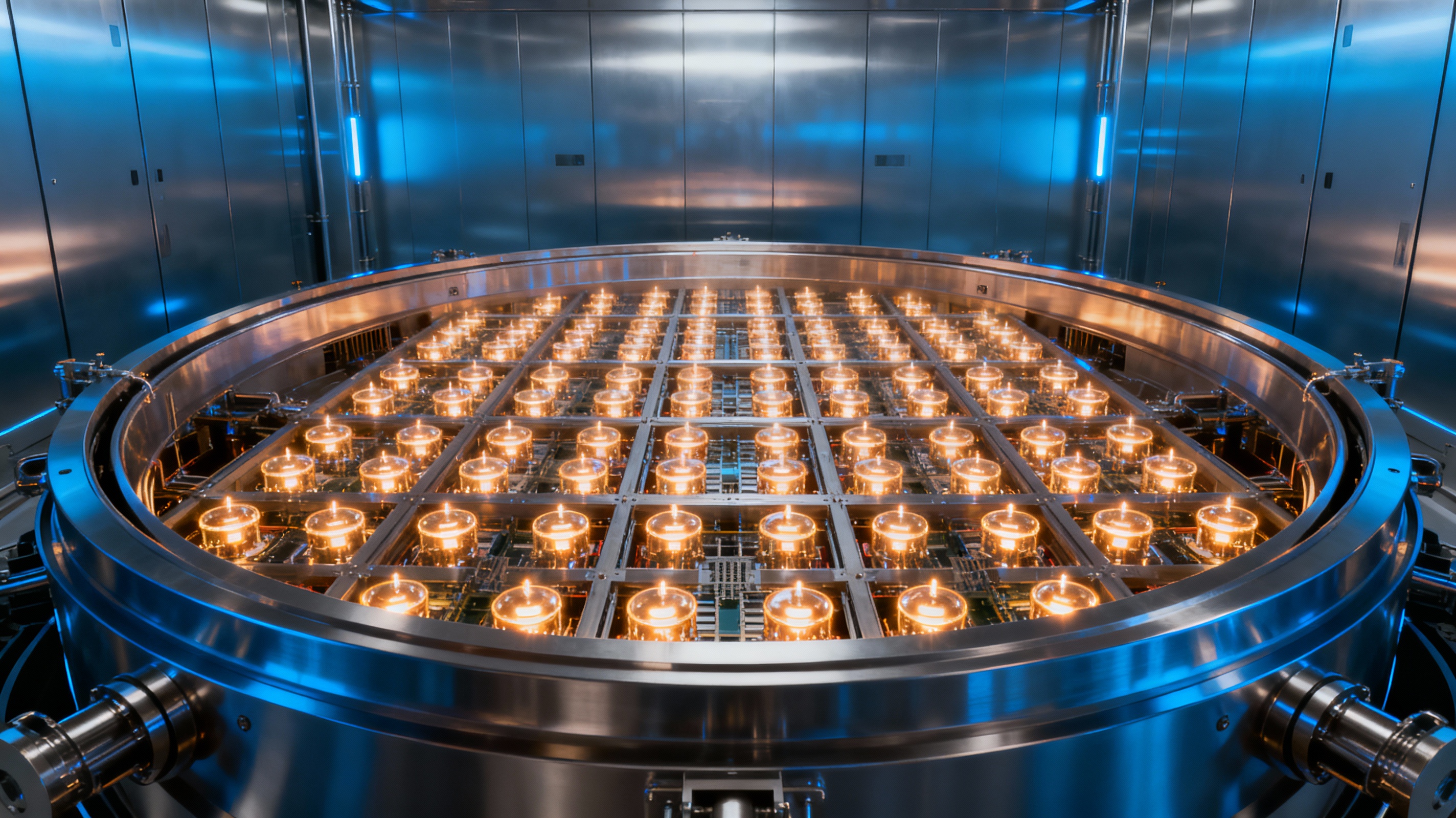
A formal partnership between Quandela and CMC Microsystems will expand access to cloud-based photonic quantum computers for Canadian researchers and small to medium-sized enterprises. The Memorandum of Understanding establishes a framework for collaboration, beginning with Quandela’s inclusion in CMC’s Quantum Computing Sandbox. Through the program, eligible Canadian teams will explore Quandela’s technology in a supported environment, allowing them to test quantum computers directly and build experience before making significant investment decisions, the company says. This collaboration builds on Quandela’s existing Canadian presence, including deployed infrastructure in Montréal.
Sandbox Program Supports Early-Stage Quantum Experimentation The first concrete step in a formalized collaboration between Quandela and CMC Microsystems is the inclusion of Quandela’s technology within CMC’s Quantum Computing Sandbox. This program offers eligible Canadian academics and small to medium-sized enterprises a structured environment to explore Quandela’s photonic quantum computers via cloud access, bypassing the need for dedicated hardware investment, according to the company. CMC will share application requirements submitted to the Sandbox with Quandela, facilitating targeted exploration of the technology’s capabilities. This partnership is built upon Quandela’s existing Canadian infrastructure, a deployed photonic quantum computing presence in Montréal demonstrating a commitment extending beyond simply entering the market. Canada’s quantum ecosystem, comprised of start-ups and a growing technical talent pool, requires expanded access to quantum computers for practical application and informed adoption decisions. A source states that more Canadian teams need opportunities to test quantum computers directly, compare approaches and build experience with real systems before large-scale adoption decisions are made, highlighting a critical need this collaboration addresses. The Memorandum of Understanding between the two organizations establishes a framework for ongoing cooperation, extending beyond cloud access to potential joint development opportunities. By integrating Quandela into the Quantum Computing Sandbox, CMC adds another avenue for Canadian researchers and businesses to evaluate photonic quantum computing, complementing existing access options. CMC will include Quandela among its cloud access providers, confirming the immediate impact of the signed agreement and the program’s expansion of resources. CMC’s Quantum Computing Sandbox operates under the FABrIC program, receiving support from the Government of Canada’s Strategic Innovation Fund, and provides a structured path for experimentation beyond simply offering cloud access. This funding model allows organizations to define project needs and assess the relevance of photonic quantum computing without substantial initial costs. This direct line of communication enables Quandela to understand specific challenges Canadian teams are attempting to solve and to assess how its photonic quantum technology might offer solutions. Quandela’s platform distinguishes itself through a focus on scalability, energy efficiency, and compatibility with existing data center infrastructure, offering a practical pathway toward broader quantum deployment. The company’s integrated approach, encompassing hardware, software, and application expertise, allows users to explore complete photonic quantum workflows within a familiar computing environment.
For Quantum Zeitgeist she covers the ground where the two fields meet. That means quantum machine learning and the variational algorithms it leans on, and it also means the less glamorous but more interesting story of classical machine learning already doing real work inside quantum machines, decoding error-correcting codes, calibrating noisy hardware and learning the error models that simulators depend on. She writes about the hardware those algorithms have to run on too, and about the post-quantum cryptography scramble that the same hardware has set off. Her stories typically start with the paper, whether that is peer-reviewed work, conference proceedings or an arXiv preprint, with the source linked so you can hold a claim up against the research it came from. She is unimpressed by benchmarks that will not say what they beat, and by demonstrations that only work in the press release. Latest Posts by Ivy Delaney: Qedma and HQC2 boost quantum chemistry accuracy 50x September 9, 2026 EDBI invests in Universal Quantum’s quantum computing plans September 9, 2026 IQM and VTT will deploy a 300-qubit computer in Finland by 2027 September 9, 2026
Tags
Source Information
Discussion
0 professional contributions
Sign in to join this professional discussion.
Be the first to add a constructive contribution.