
Russia's new cruise missile is full of Western-made parts, Ukrainian intel says
Understand this faster with AI


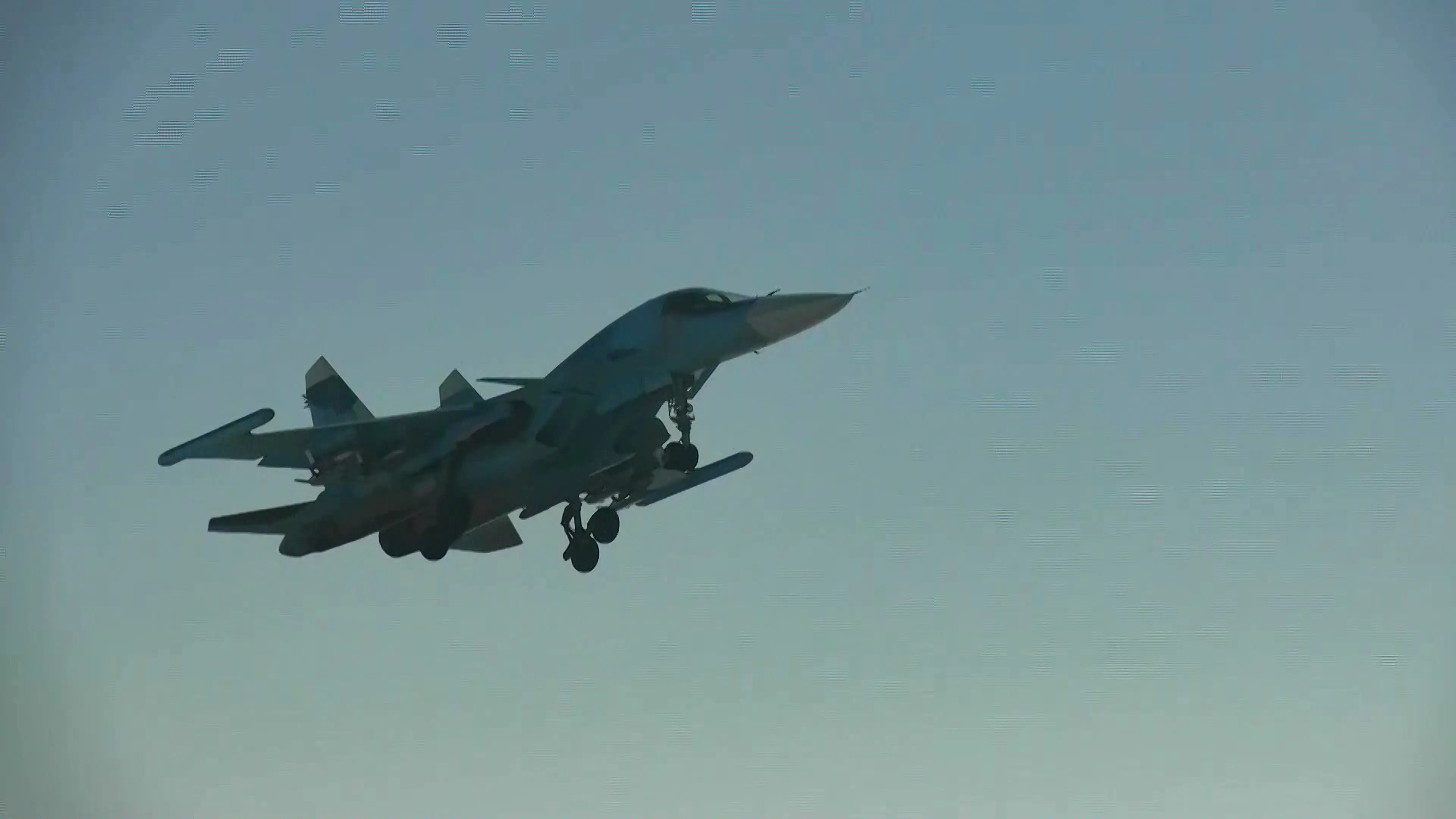
A Russian fighter jet prepares for a mission to attack Ukraine.
Russian Defense Ministry/Handout/Anadolu via Getty Images 2026-04-27T14:11:01.284Z Share Copy link Email Facebook WhatsApp X LinkedIn Bluesky Threads lighning bolt icon An icon in the shape of a lightning bolt.
Impact Link Save Saved Read in app This story is available exclusively to Business Insider subscribers. Become an Insider and start reading now. Have an account? Log in. Russia's new cruise missile is full of Western parts, Ukraine's military intelligence agency said. Components for the S-71 missile are sourced from the US, Germany, and other countries, it said. It highlights the challenges of preventing foreign parts from ending up in Russian weapons. AI-generated summary Summaries are generated by an AI model trained on Business Insider's articles. AI may make mistakes or provide inaccurate/incomplete information. We're unable to load that answer right now. Please try again. What is the S-71 missile's origin? What role do middlemen play in sanctions? What challenges does sanctions enforcement face? How do Western parts get into Russian arms? How effective are current sanctions? Russia's new cruise missile is built with parts sourced from the West, according to a Ukrainian intelligence assessment published on Monday. Loading audio narration... The new Ukrainian assessment highlights the challenges of sanctions enforcement and the continued difficulties that the West faces in preventing critical components from ending up in Russian weaponry.Ukraine's military intelligence agency, known as the GUR, revealed that the S-71K "Kovyor" cruise missile contains electronic components sourced heavily from overseas, from the US, Germany, Ireland, Switzerland, Japan, Taiwan, and China. Throughout the war, Beijing has been a major supplier for the Russian defense industrial base. Ukraine has frequently identified foreign components, including parts sourced from some of Kyiv's closest European partners, inside Russian weapons, and has repeatedly urged the international community to further isolate Moscow.However, despite widespread global sanctions, Western technology still finds its way into the products of Russia's defense industry through civilian markets, states that sidestep export rules, or middlemen. Closing those gaps remains a significant challenge for the West and Ukraine. "Maintaining access to foreign technologies and components allows the aggressor state to develop new means of destruction and scale their application in the war against Ukraine," the GUR said Monday. A Ukrainian rendering of Russia's S-71 cruise missile. Main Directorate of Intelligence of the Ministry of Defence of Ukraine/Screengrab Neither Russia's defense ministry nor its US embassy responded to a request for comment on the Ukrainian intelligence assessment. The S-71 is an air-launched cruise missile that was developed by the United Aircraft Corporation, a key Russian aerospace and defense conglomerate that has produced fighter jets such as the MiG-35 and the stealthy Su-57. Little is known about the weapon, including domestic production rates, but it appears to be new.The missile contains an inertial navigation system, a turbojet engine, and a fragmentation-explosive warhead that weighs 250 kg (roughly 550 pounds). The weapon was first used in an attack against Ukraine in late 2025 and has an estimated range of 300 km (186 miles), the GUR said in its assessment of the missile, without going into detail on the aftermath effects. The GUR said Russia is also considering putting the S-71 missile on its S-70 Okhotnik-B (Hunter), a relatively new heavy combat drone that made its debut earlier in the full-scale invasion of Ukraine. Moscow is believed to possess a limited number of these aircraft.The GUR assessment of the S-71 comes as Russia has stepped up offensive operations along the front line while taking heavy casualties in the process. Oleksandr Syrskyi, the head of Ukraine's military, said in a Monday statement on the Telegram messaging app that Moscow is now "sustaining losses that exceed its capacity to replenish its units." Meanwhile, Syrskyi said that Ukrainian strikes on Russian production facilities are degrading its air defenses, which are already under serious strain.
Tags
Source Information
Discussion
0 professional contributions
Sign in to join this professional discussion.
Be the first to add a constructive contribution.