
A heart health nutrition scientist shares 3 subtle diet tweaks she made to prevent conditions like cardiovascular disease
Understand this faster with AI


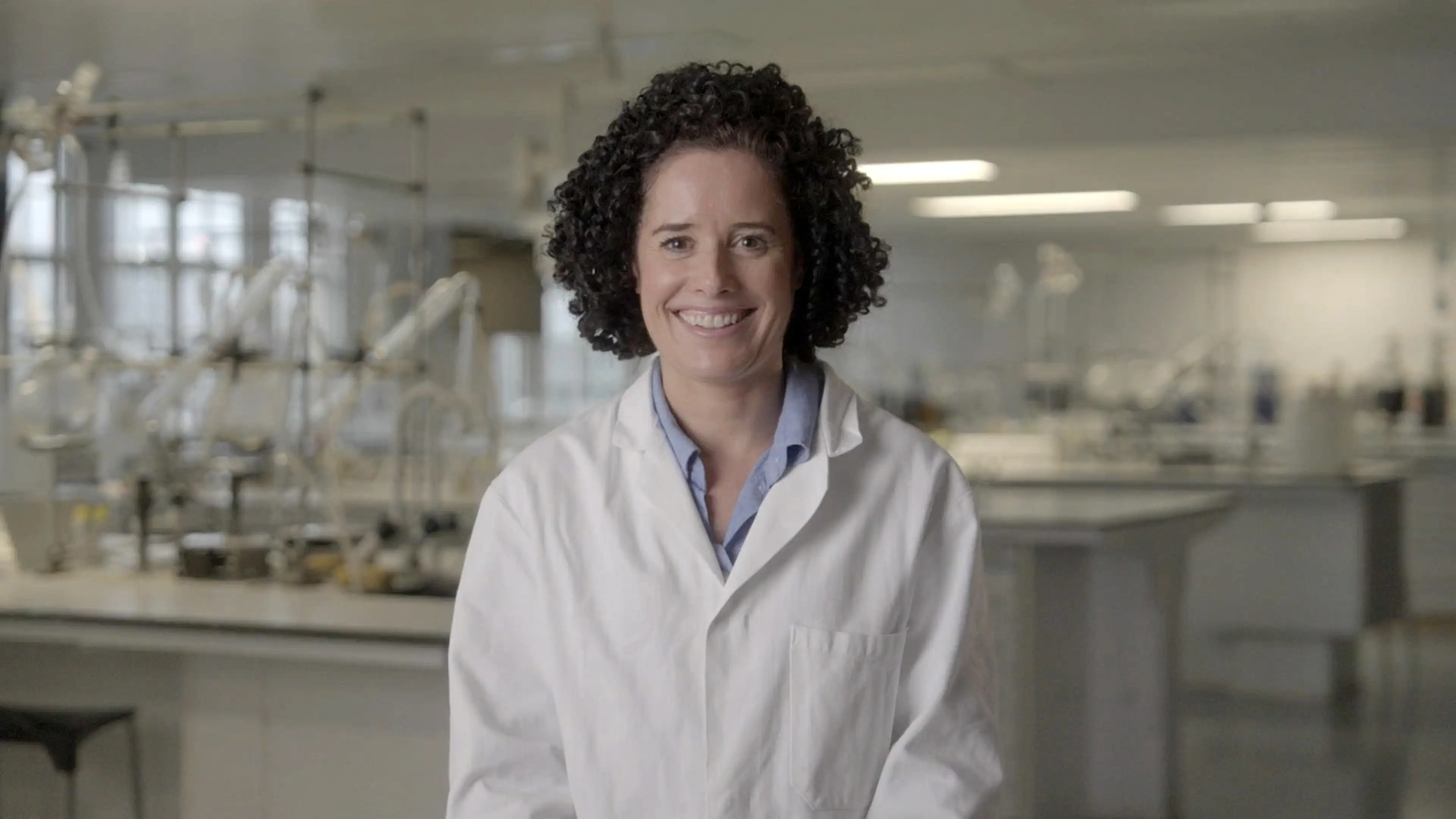
Professor Sarah Berry is a nutrition scientist who specializes in cardiovascular health. ZOE 2026-04-12T09:09:01.257Z Share Copy link Email Facebook WhatsApp X LinkedIn Bluesky Threads lighning bolt icon An icon in the shape of a lightning bolt.
Impact Link Save Saved Read in app This story is available exclusively to Business Insider subscribers. Become an Insider and start reading now. Have an account? Log in. Emerging evidence suggests that how quickly and when you eat could affect your health. In response, Sarah Berry, a nutrition scientist, has made some changes to the way she eats. Berry tries to stop eating by 9 p.m and chews her food slowly. AI-generated summary Summaries are generated by an AI model trained on Business Insider's articles. AI may make mistakes or provide inaccurate/incomplete information. We're unable to load that answer right now. Please try again. What drives interest in eating habits? What is the role of circadian rhythm? What are the risks of eating too quickly? How does eating speed affect metabolism? How does intermittent fasting benefit health?
Professor Sarah Berry, a nutrition scientist who specializes in heart health, takes a balanced approach to her diet by focusing on the basics, like eating plenty of whole foods and avoiding refined sugar. Loading audio narration... But recently, she has experimented with tweaking her eating habits. She told Business Insider that emerging data has convinced her that how quickly we eat and at what time of day, could impact the risk of developing chronic diseases."This is a really interesting area of research that I've found myself in more recently," she told Business Insider. Here are three ways Berry has changed how she eats based on current research.Not eating after 9 p.m.For a self-professed snacker like Berry, this is no easy feat. Research suggests that eating late disrupts the circadian rhythm, the biological clock that controls sleep and wake cycles, hormone regulation, and hunger cues. This is thought to negatively impact metabolic health, increasing the risk of chronic diseases, including diabetes and cardiovascular disease.Studies have also found that eating late into the evening can lead to waking up hungry, she said, which can cause weight gain if we eat more than we typically would. A meta-analysis published in the journal Obesity Reviews in 2022 found that those who ate the majority of their daily calories earlier in the day lost more weight than those who ate the same amount of calories later in the day and into the evening. The authors said improved synchronization of sleep-wake cycles and daily hormone cycles in the early eaters was the likely reason.Earlier eating was also associated with lower LDL or "bad" cholesterol, lower fasting glucose levels, and lower insulin resistance, all signs of good metabolic health. Fasting for 12-hours overnightBerry tries to make sure she doesn't eat for 12-hours overnight. A typical 12-hour fasting period for Berry is from 9 p.m. to 9 a.m.This is a relatively attainable form of intermittent fasting, or eating within a restricted time window, a trend that's been popular with biohacking bros for years. It is believed that fasting for around 24 hours or more triggers a process called autophagy, where old, damaged parts of cells are removed or recycled so they function. It optimizes how our cells function, and growing research suggests it may play a role in preventing heart disease and cancer.However, it's important to note that most evidence is based on animal studies, and more research is needed to prove the effectiveness in humans. Imposing rules around food can also be harmful for those with a history of disordered eating. Not eating too quicklyEating too quickly has been linked to worse metabolic biomarkers, Berry said. So she tries to eat her food "at a reasonable pace."We know that if you eat your food too fast, you tend to over-consume, she said, but evidence suggests it could carry greater risks. A 2021 meta-analysis published in the journal Frontiers in Nutrition involving 465,155 linked eating quickly with higher risks of metabolic syndrome, obesity, elevated blood pressure, low HDL or "good" cholesterol, and elevated blood sugar, compared to those who ate slowly. These are all important risk factors for cardiovascular disease, Berry said.
Tags
Source Information
Discussion
0 professional contributions
Sign in to join this professional discussion.
Be the first to add a constructive contribution.