
Gas prices had their biggest monthly spike ever in March
Understand this faster with AI


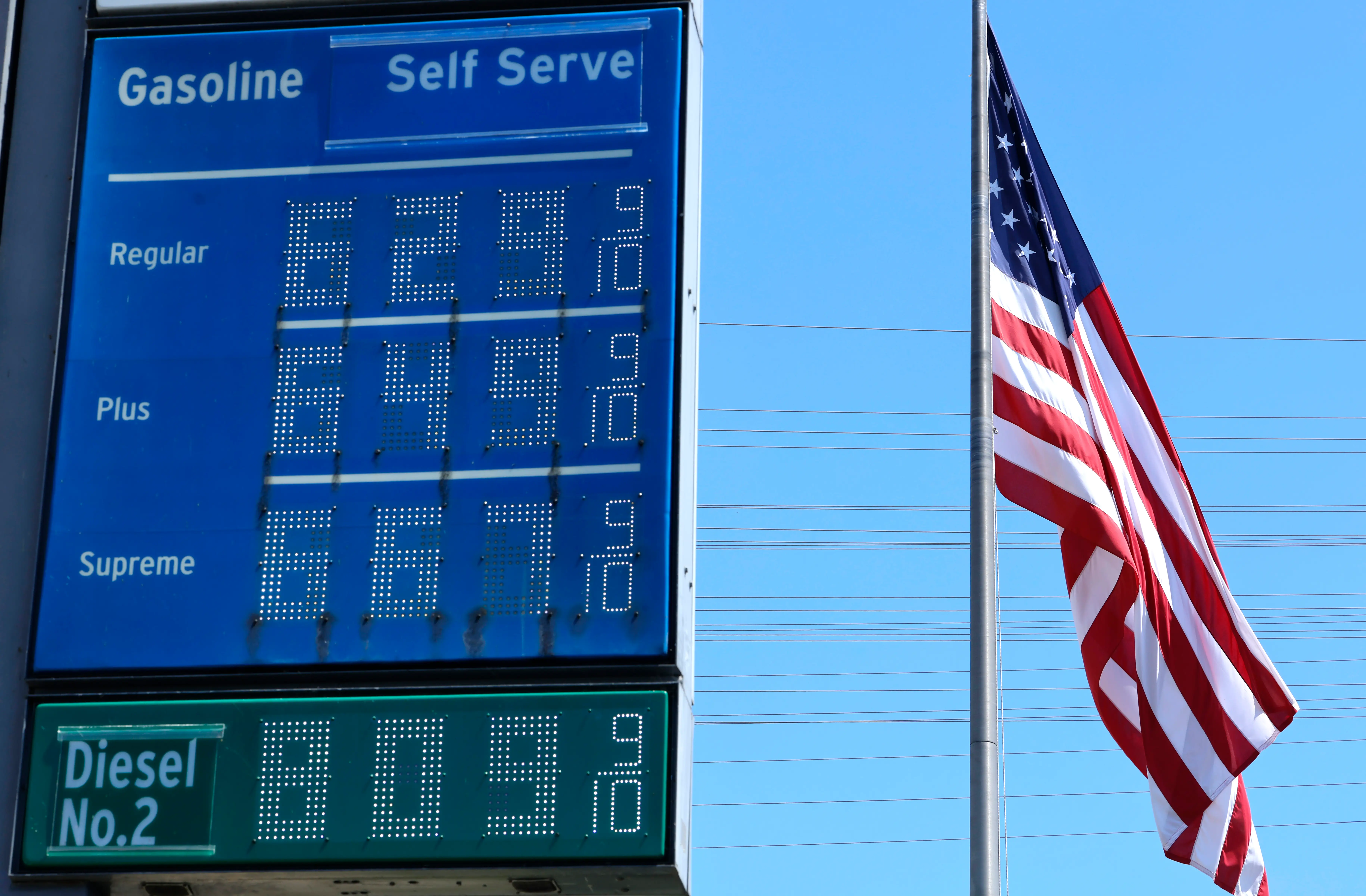
Gas prices rose by more than 20% in March. Mario Tama/Getty Images 2026-04-10T15:38:48.549Z Share Copy link Email Facebook WhatsApp X LinkedIn Bluesky Threads lighning bolt icon An icon in the shape of a lightning bolt.
Impact Link Save Saved Read in app This story is available exclusively to Business Insider subscribers. Become an Insider and start reading now. Have an account? Log in. Gas prices increased 21.2% between February and March, the highest jump on record. Gas prices are volatile, but the new data shows the effects of the Iran war are prominent. This likely won't be the only month with high gas prices. AI-generated summary Summaries are generated by an AI model trained on Business Insider's articles. AI may make mistakes or provide inaccurate/incomplete information. We're unable to load that answer right now. Please try again. What causes gas price volatility? What is the "gasoline tax" effect? What are the broader economic impacts of war? How does the Iran war impact global markets? How do gas prices influence household budgets? The Iran war has led to a record high increase in gas prices. Loading audio narration... New consumer price index data showed gas prices climbed 21.2% over the month in March. That broke the previous record one-month increase in the index from back in June 2009, when prices increased 20%. The sky-high increase contributed to roughly three-quarters of the overall CPI rise in March. Americans are worried about what the conflict means for energy prices. A Pew Research Center survey of about 3,500 US adults in March found 69% are either very or extremely concerned about higher gas and fuel prices due to US military action against Iran. More recently, the US and Iran agreed to a two-week ceasefire, which wasn't reflected in the new CPI report. Stephen Kates, a financial analyst at Bankrate, said the new report isn't really a shock to people who've been visiting gas stations."Higher prices at the pump represent another headwind for household budgets, and this added 'gasoline tax' will crowd out other spending over time," Kates said. "Households should take advantage of relatively lower grocery costs and consider shifting spending toward eating at home more often to offset the increased costs of commuting." Prices outside energy were more in line with recent behavior; core CPI, which excludes volatile food and energy prices, rose 0.2% over the month and 2.6% over the year. AAA data showed gas prices skyrocketed in March, and the national average is at $4.153. Those spikes in gas prices might not go away anytime soon. "Even if the prices of gasoline and diesel start to come down after the conflict resolves, the effect on the economy will be more long-lasting," Kates said. "Fuel prices will not fall as quickly as they rose, but they should decline relatively quickly in the months following the end of the conflict."The war's effects on energy don't just affect gas prices. Economists have said to watch for changes in airline fares, for example. They rose 2.7% over the month in March. "If you are planning a summer trip, book your flights immediately, as the 14.9% annual increase in airline fares suggests that travel costs will continue to climb as energy prices stay high," Kates said.
Tags
Source Information
Discussion
0 professional contributions
Sign in to join this professional discussion.
Be the first to add a constructive contribution.