
VLSI TSA: Quantum Computing & AI Healthcare
Understand this faster with AI


After 43 years as a leading semiconductor forum, the VLSI TSA symposium is dedicating a significant portion of its program to exploring quantum computing architectures, signaling a shift in focus for the industry. This year’s event, hosted by the Industrial Technology Research Institute in Hsinchu, Taiwan, will gather over 800 experts to discuss advancements in areas like generative AI and terahertz wireless communications.
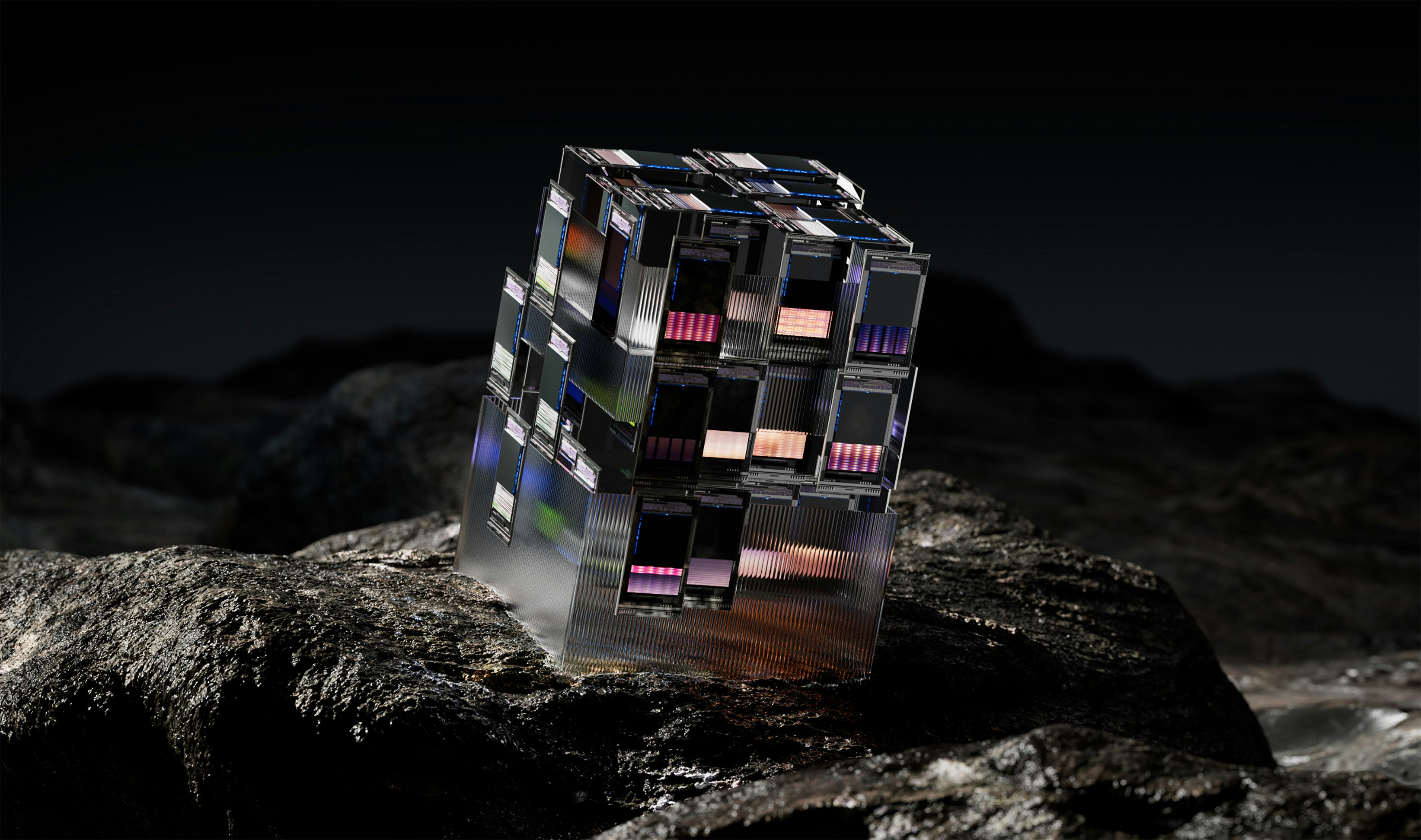
Cerebras Systems Distinguished Engineer Bendik Kleveland will be a plenary speaker outlining the evolution of wafer-scale technology, a potentially disruptive approach to chip design. “This year, we focus on advanced process technologies, heterogeneous integration, AI and quantum architectures, all key to enhancing AI chip performance and semiconductor innovation,” said Shih-Chieh Chang, Vice President and General Director of ITRI’s Electronic and Optoelectronic System Research Laboratories, who is also Chairman of the 2026 VLSI TSA. Wafer-Scale Computing and Terahertz Wireless Communication Advances The 2026 VLSI TSA symposium is placing emphasis on scaling technologies, with wafer-scale computing emerging as a central theme for advancement in the field. The symposium’s focus on wafer-scale technology reflects a broader industry trend toward overcoming the limitations of traditional chip design and manufacturing. Beyond processing, the symposium is also exploring the potential of terahertz (THz) wireless communications to deliver faster data transfer rates.
Professor Minoru Fujishima of Hiroshima University presented new possibilities for THz technologies, proposing a system leveraging the 300 GHz wideband and electronically steerable phased arrays to enable high-data-rate mobile connectivity over medium ranges. Drawing inspiration from optical satellite communication systems, this approach could bring ultra-fast wireless applications closer to reality. This focus, coupled with advancements in wafer-scale computing and THz communication, underscores the symposium’s commitment to addressing the most pressing challenges and opportunities in semiconductor technology. AI-Driven Cardiac Diagnostics via Intracardiac Signal Analysis The convergence of artificial intelligence and cardiology is yielding increasingly sophisticated diagnostic tools, as highlighted at the 43rd VLSI TSA International Symposium. While surface electrocardiograms (ECG) provide a standard assessment of heart activity, limitations in capturing the full complexity of cardiac rhythms are now being addressed through intracardiac signal analysis paired with AI. Professor Shih-Ann Chen of National Yang Ming Chiao Tung University and Taipei Veterans General Hospital explained that conventional ECG measurements alone often fall short in providing a complete picture of heart function. This approach utilizes data gathered from electrophysiologic testing, which delivers detailed intracardiac signals; these signals then fuel AI models designed to improve predictive accuracy and refine clinical diagnostics. The ability to analyze these complex waveforms allows for a more nuanced understanding of arrhythmia and other cardiac conditions than previously possible. This represents a shift from relying solely on external measurements to leveraging internal physiological data for more precise assessments. The symposium underscored that this isn’t simply about processing more data, but about extracting meaningful insights; Chen stated that “electrophysiologic testing provides detailed intracardiac signal data, enabling AI models to improve predictive accuracy and enhance clinical diagnostics.” This focus on AI-enabled cardiac rhythm analysis demonstrates a growing trend of applying advanced semiconductor technology to improve smart healthcare solutions and represents a key area of innovation within the broader VLSI TSA event. This year, we focus on advanced process technologies, heterogeneous integration, AI and quantum architectures, next-generation memory, and advanced packaging, all key to enhancing AI chip performance and semiconductor innovation. Shih-Chieh Chang, Vice President and General Director of ITRI’s Electronic and Optoelectronic System Research Laboratories, who is also Chairman of the 2026 VLSI TSA ITRI’s VLSI TSA Symposium Spotlights Quantum Architecture Roadmap This year’s symposium, drawing over 800 experts globally, isn’t solely focused on established semiconductor technologies; it is actively charting a course toward future computational paradigms. Beyond quantum’s potential, the symposium is deeply engaged with practical applications of current semiconductor capabilities, particularly within healthcare. This focus extends to memory technology, where Micron Technology Fellow Alessandro Calderoni noted that logic throughput is scaling faster than memory bandwidth, necessitating innovative 3D integration and packaging solutions. ITRI’s vision for the future also encompasses next-generation communications, with researchers like Professor Minoru Fujishima of Hiroshima University proposing the use of terahertz technologies inspired by optical satellite communication systems. Shu-Jen Han, CTO of SEEQC, presented a roadmap for scalable quantum systems, emphasizing that realizing practical quantum computers will depend on advances in quantum error correction and scalable system design. The symposium also celebrated industry leaders with the ERSO Award, recognizing contributions from individuals at Skytech, Ta Ya Electric Wire & Cable, and PlayNitride, acknowledging Taiwan’s strength in cross-disciplinary industrial capabilities. Realizing practical quantum computers will depend on advances in quantum error correction and scalable system design, providing a blueprint for the next-generation computing architectures. Shu-Jen Han, CTO of SEEQC Source: https://www.prnewswire.com/news-releases/itri-launches-2026-vlsi-tsa-international-symposium-spotlighting-quantum-architecture-and-ai-driven-healthcare-302741472.html Tags:
Tags
Source Information
Discussion
0 professional contributions
Sign in to join this professional discussion.
Be the first to add a constructive contribution.