
Samsung Galaxy owners stunned by what appeared after a Google update
Understand this faster with AI


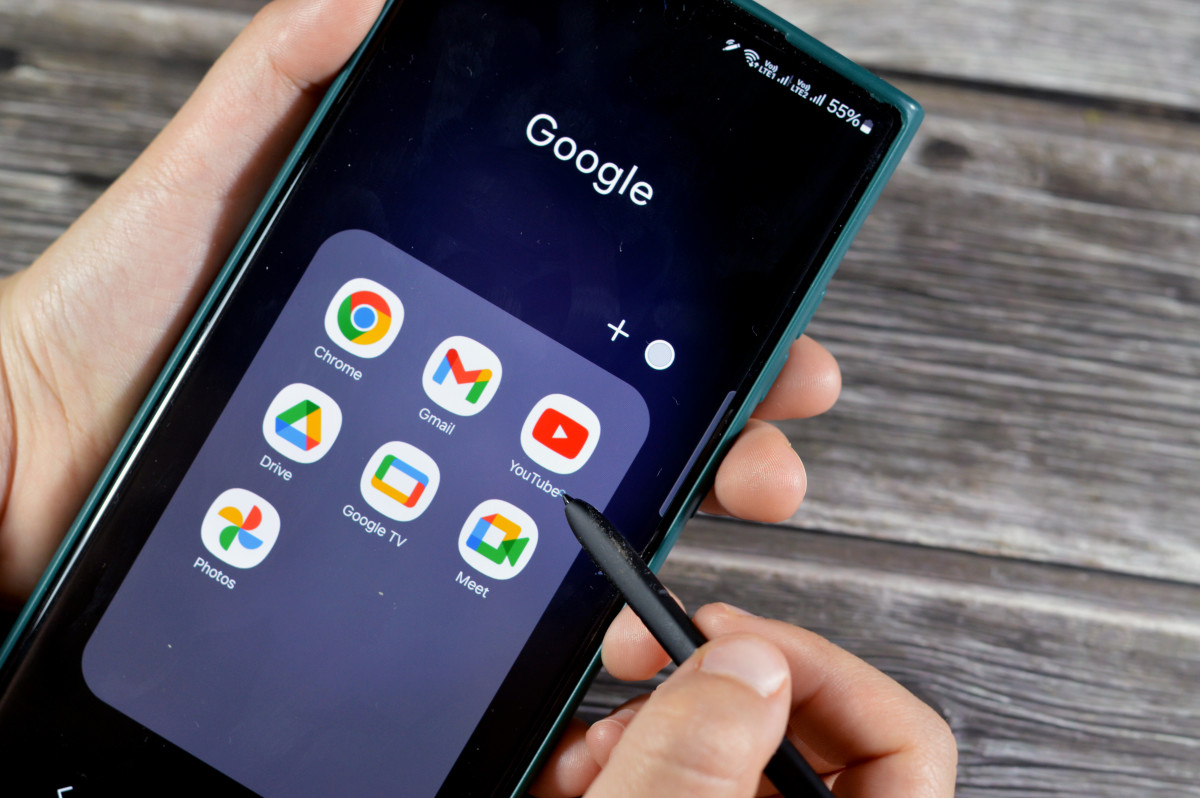
Alphabet (GOOGL) quietly made a very unusual but provocative move inside the Android ecosystem. And whether one likes to believe it or not, there is more to the move than meets the eye, and it could matter more than you think.After nearly seven months of going without a Google Play system update, Samsung Galaxy devices rang across the globe with three updates in four days. One of the updates, aka patches, was just 149KB in size. However, don't be fooled by the update's size: it has caused significant ripples within the Android community, as it appeared to "roll back" the system date for some users, leading to significant confusion online.On the surface level, it doesn’t look like much. But for investors, the burst of backend activity is shining a light on something critical.Alphabet is firmly in control of the infrastructure layer of the world’s largest mobile operating system. That is a fact even on phones built by Samsung, showing its dominance in this area of business.And that infrastructure underpins tens of billions in annual revenue. A tiny Google update just triggered a big Galaxy freak-out.Photo by Tamer Soliman on Getty Images Android dominance remains central to Alphabet’s financial engineAlphabet, in aggregate, generated $86.3 billion in quarterly revenue in the most recent quarter, and out of this total, Google Services contributed the lion’s share.More Tech Stocks:Morgan Stanley sets jaw-dropping Micron price target after eventNvidia’s China chip problem isn’t what most investors thinkQuantum Computing makes $110 million move nobody saw comingThat segment comprises Search, YouTube ads, subscriptions, and the Play Store and is the primary profit engine for the tech giant, producing operating margins north of 30%.Related: Trump adviser drops bombshell on Meta, MicrosoftAndroid is a key piece of that ecosystem.The operating system is the main driver for roughly 70% of global smartphones, giving it unprecedented reach across billions of active devices.Google Play system updates let Alphabet do things that full firmware upgrades controlled by manufacturers don't:Push security patches directlyAdjust system frameworksEnable backend AI capabilitiesMaintain monetization consistency across devicesSamsung sells the phone but Alphabet controls itBackend updates were almost non-existent for such a long period. And suddenly there is a burst of updates.What does it signal? In a few words, infrastructure preparation, possibly leading to AI integration or system-level monetization enhancements.Alphabet is trading at 28.58 times the price of earnings, and its premium valuation is largely based upon recurring ecosystem revenue. As a result, for the Alphabet platform, control is financial leverage.Samsung’s premium margins depend on software stabilityFor Samsung, maintaining update consistency is crucial.The company’s Mobile eXperience division generated more than KRW 29 trillion (roughly $21 billion) in quarterly revenue, with operating profit around KRW 1.9 trillion; premium Galaxy devices are powering this profitability.Related: Palantir faces a ‘quiet shockwave’ from a small deal with big opticsHigh-end buyers want seamless integration of hardware, AI features, and robust software reliability.The minor confusion regarding this is not an issue for now. Still, the system updates can affect perception in a competitive global smartphone market that is honing in on AI-enabled experiences. Consider:Upgrade cycles drive margins.Margins drive valuation.Now, any upgrade cycles are exceedingly reliant on trust in software integrity.Why small Android updates can signal bigger financial movesThe triple update can potentially reflect routine maintenance. But infrastructure shifts inside Android can precede:AI feature rolloutsSecurity framework upgradesPlay Services monetization adjustmentsRegulatory compliance changesAlphabet is pouring billions of dollars into AI integration across its products. To add more advanced AI features to Android, the backend needs to be coordinated. Google Play system updates are the exact kinds of changes that do this.Investors tend to pay attention when a company with a market cap of more than $1 trillion makes changes to its infrastructure across billions of devices in a short amount of time.The broader takeaway for Alphabet investorsAlphabet’s dominance is not only thanks to search queries or YouTube ad impressions. Instead, its dominance is reliant on an operating system layer, a layer that quietly supports:Play Store transaction feesSubscription growthMobile ad deliveryAI feature monetizationThat layer protects and will be responsible for recurring revenue streams and strengthens ecosystem lock-in. Three small updates in four days will not immediately move the stock. However, it reinforces another truth. But they reinforce a larger truth, the one pointing to how Alphabet’s control of Android remains one of the most underappreciated assets in Big Tech.And when that control becomes active after months of silence, it’s worth watching.Related: Bank of America drops a surprising Nvidia warning before earnings
Source Information
Discussion
0 professional contributions
Sign in to join this professional discussion.
Be the first to add a constructive contribution.