
QED-C and Center for Quantum Networks Release Quantum Networking Roadmap
Understand this faster with AI


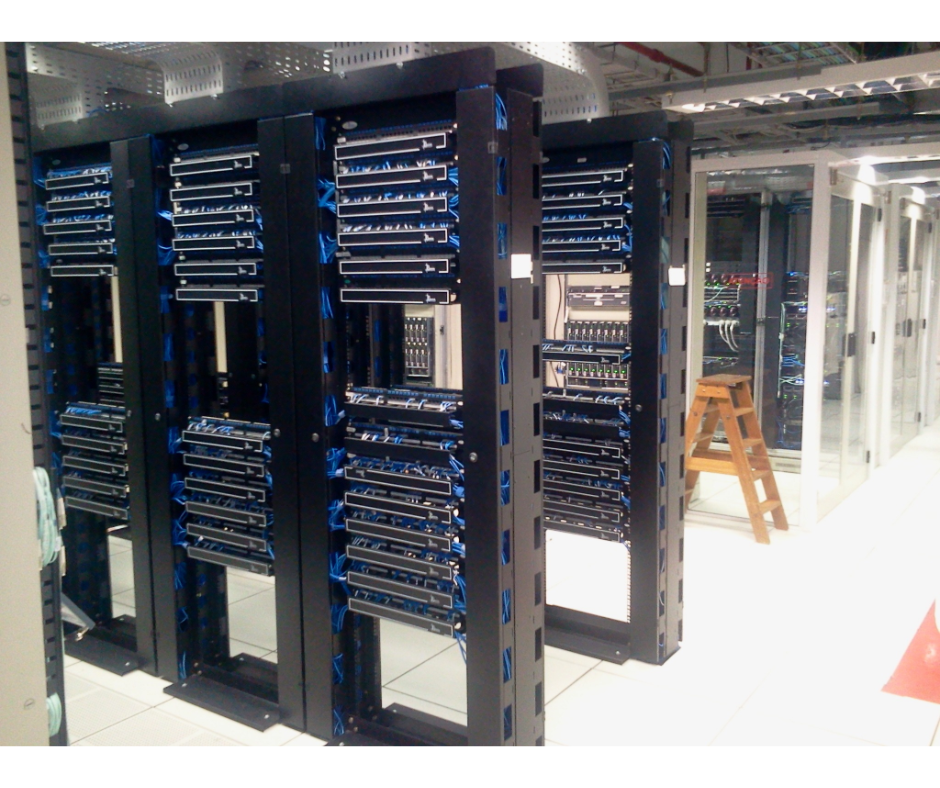
QED-C and Center for Quantum Networks Release Quantum Networking Roadmap Schematic of the future quantum internet. Credit: Alireza Shabani, © 2026.
The Quantum Economic Development Consortium (QED-C), in collaboration with the NSF-funded Center for Quantum Networks (CQN), has published its comprehensive Quantum Networking Applications Roadmap. Built on technical input from over 50 experts across national laboratories, academic research centers, and commercial firms—including IonQ, L3Harris, Aliro Quantum, Qunnect, Argonne, and NIST—the report establishes a systematic gap-analysis framework mapping 10 high-impact commercial use cases against primary hardware performance metrics and component technology readiness levels. The report reveals that today’s quantum networking capabilities support only two of the ten assessed applications: Quantum Key Distribution (QKD) and point-to-point Distributed Quantum Sensing (DQS). Even then, present deployments remain tightly constrained to short-distance, fixed point-to-point channels. The study highlights that transitioning from isolated physical links to scalable, wide-area quantum infrastructure requires addressing critical performance bottlenecks across the stack, specifically qubit transmission rate, transmission distance, fidelity, and picosecond-to-femtosecond time synchronization. To bridge these technical gaps, the roadmap isolates three core infrastructure technologies that would each enable 9 out of the 10 evaluated applications: quantum optical network switches, quantum repeaters, and quantum satellite infrastructure. Additionally, advances in quantum light sources and light-matter interfaces were identified as vital technical requirements across eight applications. Funding agencies and private investors are urged to prioritize these foundational component layers to maximize cross-application impact and accelerate overall commercialization timelines. The assessment categorizes the 10 high-impact use cases across network security, networked quantum computing, and distributed sensing, projecting vastly different timelines to commercial maturity. Short-distance applications such as QKD, quantum digital signatures, and intra-data center Clustered Quantum Computing (CQC) are estimated to reach commercial viability within a 5-year window. Conversely, inter-data center Distributed Quantum Computing (DQC) and Blind Quantum Computing (BQC) present the largest combined technology gaps, placing full long-distance realization at approximately a 10-year horizon. By providing a clear systems-level perspective on the technological and architectural hurdles facing wide-area quantum interconnects, the QED-C roadmap serves as an essential strategic blueprint for public policy, R&D funding allocation, and enterprise planning. As quantum computing, sensing, and cryptography hardware mature, establishing these underlying networked architectures will be critical to expanding node capacity, enabling distributed processing, and unlocking the full economic potential of utility-scale quantum systems. Review the official public release announcement here, explore upcoming industry roadmap sessions here, and examine our previous coverage of QED-C industry initiatives here. July 29, 2026 Mohamed Abdel-Kareem2026-07-29T06:52:32-07:00 Leave A Comment Cancel replyComment Type in the text displayed above Δ This site uses Akismet to reduce spam. Learn how your comment data is processed.
Tags
Source Information
Discussion
0 professional contributions
Sign in to join this professional discussion.
Be the first to add a constructive contribution.