
The world’s biggest gas field matters just as much as oil right now
Understand this faster with AI


The latest Iran war escalation touched the South Pars/North Dome reservoir, the giant structure shared by Iran and Qatar that is widely regarded as the world’s largest gas field. The Iranian side, South Pars, accounts for roughly 70% to 75% of Iran’s gas output. The Qatari side, the North Field, is the backbone of one of the most important LNG export systems in the world. After strikes hit South Pars and subsequent attacks damaged Qatar’s Ras Laffan complex, the market was forced to reprice not just crude risk, but also gas and LNG risk. Qatar said the damage knocked out about 17% of its LNG export capacity and could delay recovery for years.That matters because this is not a marginal asset. The U.S.
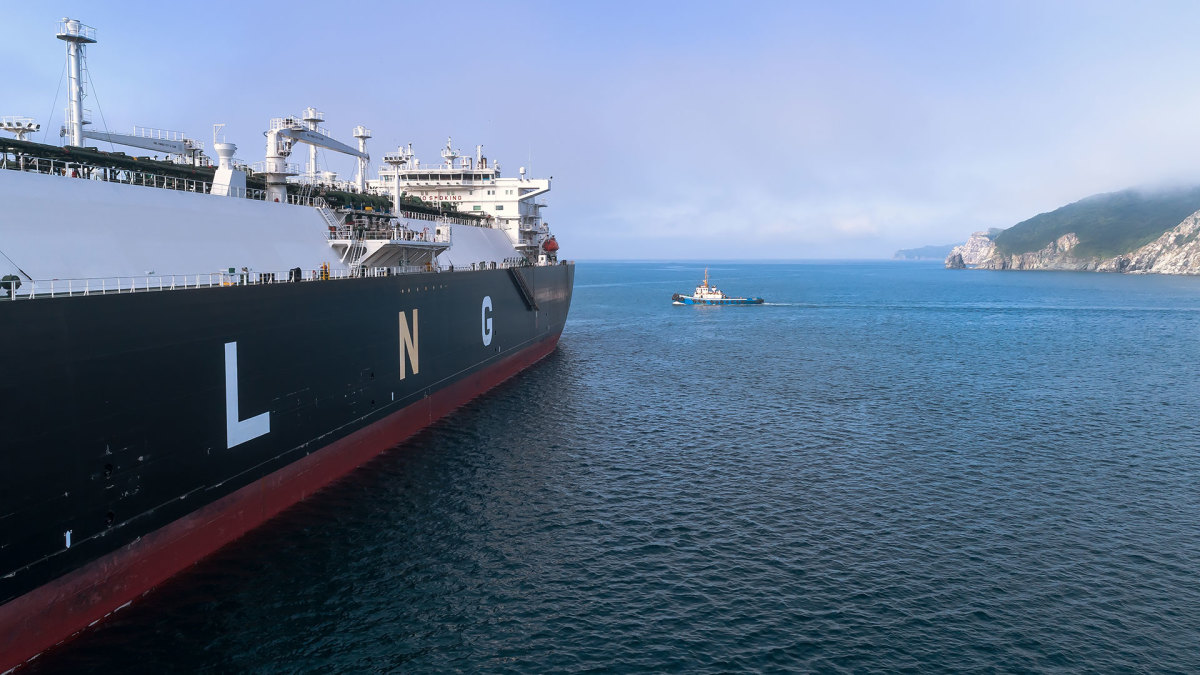
Energy Information Administration says Qatar’s North Field is the largest non-associated gas field in the world, and QatarEnergy says it holds more than 900 trillion cubic feet of recoverable reserves. Current reporting on the broader shared structure places total gas in place at about 1,800 Tcf. In other words, the field at the center of this week’s crisis is not just another regional supply source. It is one of the foundations of the global gas trade.The biggest gas fields on the planetSouth Pars/North Dome (Iran-Qatar): QatarEnergy says the North Field alone has more than 900 Tcf of recoverable reserves, while the broader shared reservoir is widely described as the world’s largest gas field.Urengoyskoye (Russia): Gazprom says the field had 10.9 trillion cubic meters of initial gas reserves at discovery.Bovanenkovskoye (Russia): Gazprom says the field has 4.9 trillion cubic meters of initial gas reserves and design capacity of 115 bcm a year.Zapolyarnoye (Russia): Gazprom says the field has more than 3.5 trillion cubic meters of initial gas reserves and design capacity of 130 bcm a year.Galkynysh (Turkmenistan): Operator-linked figures place proven commercial reserves at 2.8 trillion cubic meters, with broader estimates ranging higher. Escalation in the Middle East delays natural gas recovery for years.Shutterstock What the gas-field damage means for Chevron, ConocoPhillips, and ExxonMobilExxonMobil (XOM) has the clearest direct Qatar tie. The company reported 8,442 million cubic feet per day of natural gas production available for sale in 2025, and its Qatar position includes a 25% stake in the joint venture that owns 25% of North Field East, giving Exxon an effective 6.25% interest in the overall project. Exxon is also a major LNG player through Golden Pass in Texas.More oil and gasOil’s whiplash is powering ConocoPhillips, but the real catalyst is internal156-year-old energy king evacuates Middle East staffChevron, Shell make stunning Venezuela move as Iran crisis deepensConocoPhillips (COP) has broad LNG exposure, even if it is not as closely associated with Qatar in the market’s mind. Its LNG portfolio includes equity interests in QatarEnergy LNG, Australia Pacific LNG, and Equatorial Guinea LNG, plus additional exposure through North Field East, North Field South, and Gulf Coast offtake. Conoco’s Qatar position alone includes a 30% interest in QatarEnergy LNG N(3), which is tied to production from the North Field, and 1 MTPA-equivalent interests in both NFE and NFS through joint ventures.Chevron (CVX) has less direct Qatar sensitivity, but it still has major global gas and LNG exposure. Its gas footprint runs through Gorgon in Australia, with 15.6 MTPA of LNG capacity, Wheatstone at 8.9 MTPA, Angola LNG with 1.1 Bcf/d of plant capacity, and the Leviathan expansion in the Eastern Mediterranean, which Chevron says will lift capacity to about 21 bcm annually toward the end of the decade.None of those companies is a pure-play gas exporter, so the exposure is easier to see through production volumes, LNG stakes, and project ownership than through a neat “gas revenue” line. For investors, that is the point. This week’s shock is not only about whether oil can hold above $110. It is about whether a market that depends on giant, concentrated gas infrastructure is being forced to assign a higher risk premium to LNG supply, project timing, and the majors that help move that gas around the world.Related: Sable Offshore runs into a California Line 325 chokepoint
Source Information
Discussion
0 professional contributions
Sign in to join this professional discussion.
Be the first to add a constructive contribution.