
Should Hong Kong’s next budget make room for taking yuan global? Experts weigh in
Understand this faster with AI


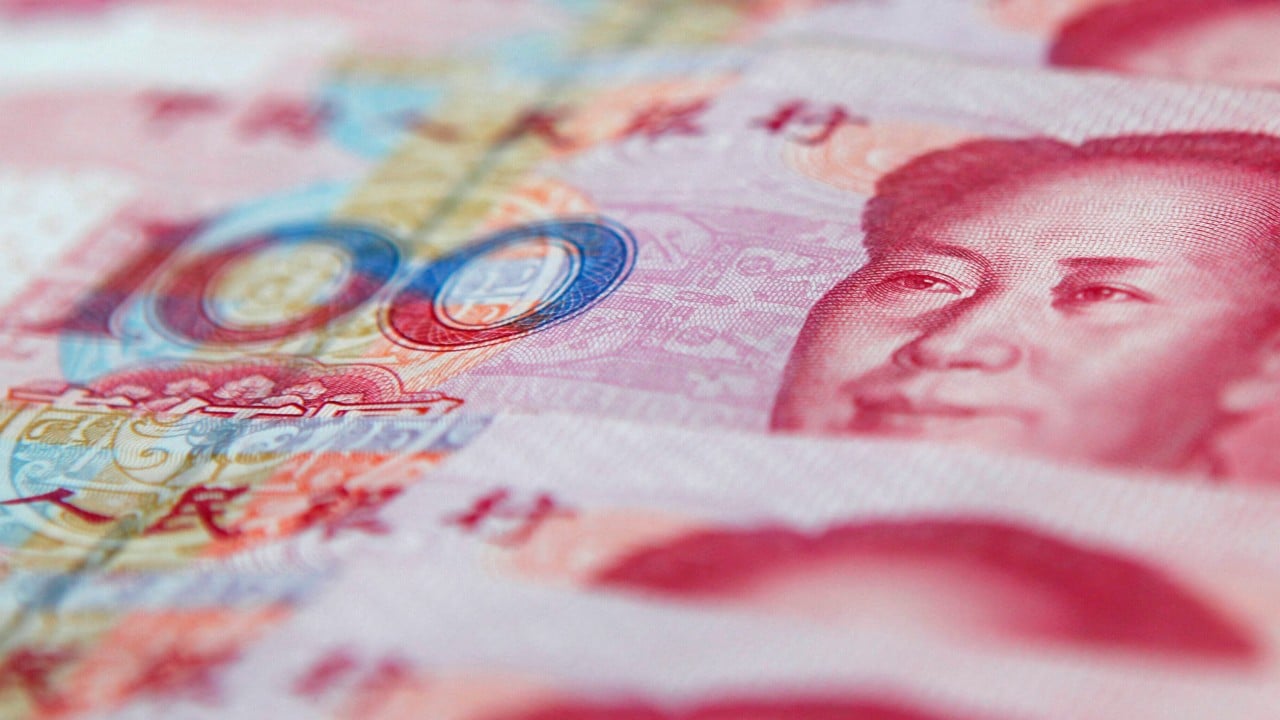
AdvertisementHong Kong budget 2026-27Hong KongHong Kong EconomyShould Hong Kong’s next budget make room for taking yuan global? Experts weigh inExperts say Hong Kong has ‘distinct advantages’ that can support the country’s financial development amid geopolitical uncertaintiesReading Time:4 minutesWhy you can trust SCMPSylvia MaPublished: 8:00am, 23 Feb 2026Updated: 8:06am, 23 Feb 2026With Hong Kong set to unveil its annual budget, economists have said the city should strengthen its role in pushing the internationalisation of the Chinese yuan as Beijing presses ahead with financial opening while keeping stability firmly in view.From expanding offshore yuan products to using its stablecoin regulations as a sandbox for potential cross-border payment channels, the experts said that Hong Kong could help realise the nation’s vision of becoming a “financial powerhouse”, especially at a time when de-dollarisation was gaining steam and investors were hunting for fresh alternatives.“Against today’s geopolitical backdrop, Hong Kong – as a bridge between China and the world and as an international financial centre – has distinct advantages that can support the country’s financial development,” said Rui Meng, a finance professor at the China Europe International Business School in Shanghai.AdvertisementHe pointed to the city’s critical role in advancing the yuan’s internationalisation, its common law system and deep talent pool, as well as its function as Beijing’s fintech testing ground for piloting innovation.The mission has been particularly compelling as Qiushi, the Communist Party of China’s leading theoretical journal, recently reiterated Chinese President Xi Jinping’s 2024 speech calling for the country to become a “financial powerhouse”, with his remarks listing a “strong currency” – one that holds global reserve status, and is widely used in international trade, investment and foreign exchange markets – as one of the drive’s core elements.AdvertisementXi’s remarks have gained further urgency amid renewed market turbulence under US President Donald Trump’s presidency, with some even drawing parallels to the “Nixon shock” of 1971 that severed the US dollar’s link to gold and upended the post-war Bretton Woods system.“This year presents a good window to accelerate yuan internationalisation,” said Raymond Yeung, Greater China chief economist at banking group ANZ, citing intensifying de-dollarisation amid Trump’s policy swings and lingering concerns over the United States Federal Reserve’s independence.AdvertisementSelect VoiceSelect Speed0.8x0.9x1.0x1.1x1.2x1.5x1.75x00:0000:001.00x
Tags
Source Information
Discussion
0 professional contributions
Sign in to join this professional discussion.
Be the first to add a constructive contribution.