
Sam Altman just pulled off a deal nobody saw coming
Understand this faster with AI


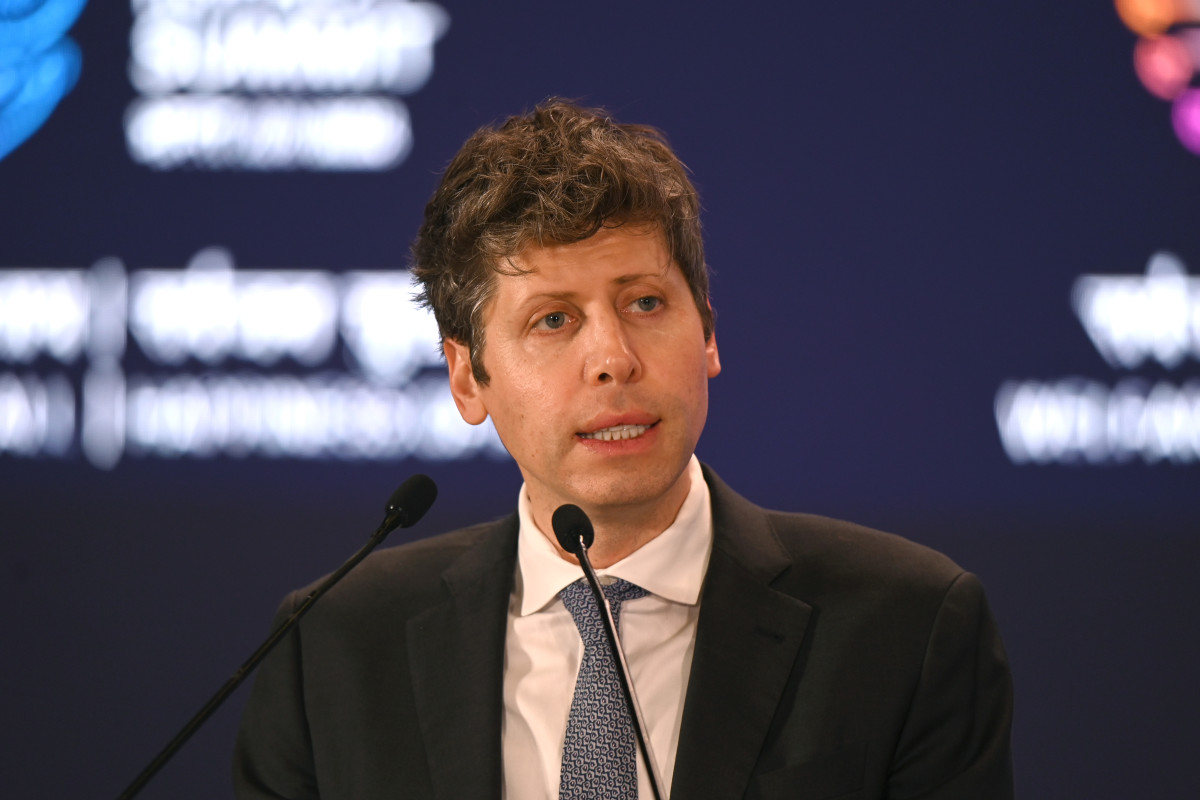
OpenAI CEO Sam Altmanannounced late Friday that his company has secured a landmark agreement with the U.S. Department of Defense to deploy its artificial intelligence models across classified military networks. The news landed just hours after President Trump ordered every federal agency to immediately cut ties with rival Anthropic, calling the safety-focused AI lab a national security risk.The timing was striking. On the same day OpenAI closed a record-breaking $110 billion funding round, Altman announced the Pentagon partnership on X, writing: "Tonight, we reached an agreement with the Department of War to deploy our models in their classified network."The Pentagon deal is a major momentum shift for OpenAI in the fast-moving race to become the U.S. government's go-to AI provider. And for Anthropic, the fallout could not have come at a worse moment.Why Anthropic's Pentagon talks collapsedAnthropic had been the first AI lab to deploy its Claude models across DoD classified networks, supporting critical functions like intelligence analysis, operational planning, and cyber operations. But a contract renewal worth up to $200 million hit a wall.The company refused to give the Pentagon broad "lawful purpose" access to its models, specifically citing two concerns: that current AI models are not reliable enough to power fully autonomous weapons, and that mass domestic surveillance of Americans would violate fundamental rights. Pentagon officials said those restrictions were "jeopardizing critical military operations."More AI Stocks:Morgan Stanley sets jaw-dropping Micron price target after eventBank of America updates Palantir stock forecast after private meetingMorgan Stanley drops eye-popping Broadcom price targetTrump escalated the standoff on Friday, posting on Truth Social that he was directing "EVERY Federal Agency" to immediately stop using Anthropic technology.
Defense Secretary Pete Hegseth followed by designating Anthropic a supply chain risk to national security. Anthropic said it plans to challenge that designation in court, calling it an unprecedented action historically reserved for U.S. adversaries.How OpenAI threaded the needle on safetyAltman moved fast. He told employees in an internal memo Thursday evening that OpenAI was pursuing a Pentagon deal with the same safety limits Anthropic had demanded. The difference was in execution: OpenAI baked those restrictions into the technical architecture of its models, not just contract language.In his post on X, Altman confirmed that two non-negotiables were written directly into the agreement:OpenAI's two safety limits in the Pentagon dealNo domestic mass surveillance. Models include technical controls that block targeting of U.S. citizens.Human accountability for the use of force. Humans, not AI systems, remain responsible for any deployment of lethal force, including with autonomous weapons.Altman added that the Defense Department "agrees with these principles, reflects them in law and policy," and that both sides put those commitments into the formal agreement. He also called on the Pentagon to offer the same terms to all AI companies, including Anthropic. Photo by NurPhoto on Getty Images OpenAI will deploy its models through secure, classified cloud environments and will embed its own engineers alongside cleared military personnel to oversee integration and compliance.A record funding round adds fuel to the fireThe Pentagon deal capped a remarkable 24 hours for OpenAI. Earlier Friday, the company announced it had closed $110 billion in new funding at an $840 billion post-money valuation, the largest private financing in history according to Crunchbase data.Related: OpenAI just raised $110 billion and it still may not be enoughWho backed OpenAI's record roundAmazon (AMZN): $50 billion, including a multiyear strategic partnership and AWS infrastructure commitmentsNvidia (NVDA): $30 billion, alongside expanded GPU compute capacitySoftBank: $30 billionMicrosoft (MSFT), OpenAI's longtime backer, did not participate in the new round. The two companies issued a joint statement saying their existing partnership remains "strong and central."What this means for the AI defense raceOpenAI now joins Elon Musk's xAI as one of just two companies cleared to operate AI on DoD classified networks. Google has a separate and still-evolving contract with the military. Anthropic, which was the trailblazer in this space, now faces a six-month wind-down while the Pentagon transitions to other providers.The competitive picture has shifted sharply. OpenAI gains a high-visibility government contract at the exact moment its rival is being pushed out. Federal agencies that had built workflows around Claude will need to migrate, and OpenAI's GPT models are the most obvious landing spot.What is clear is that the government's willingness to blacklist a major AI lab over contract terms sets a precedent the entire industry will now have to navigate. Every lab building defense-facing products now knows the rules of engagement.The broader lesson from this week's drama may be one about strategy over principle. Anthropic held a firm line and lost the room. OpenAI found a way to hold the same line and win the deal. Whether that distinction holds up under pressure inside a classified network is the question the industry will be watching closely.Related: Investors Are Acting Like the "OpenAI Bubble" Is Popping As SoftBank and Oracle Stock Continue Slide
Tags
Source Information
Discussion
0 professional contributions
Sign in to join this professional discussion.
Be the first to add a constructive contribution.