
Recession fears grip markets as energy facilities come under fire in Middle East
Understand this faster with AI


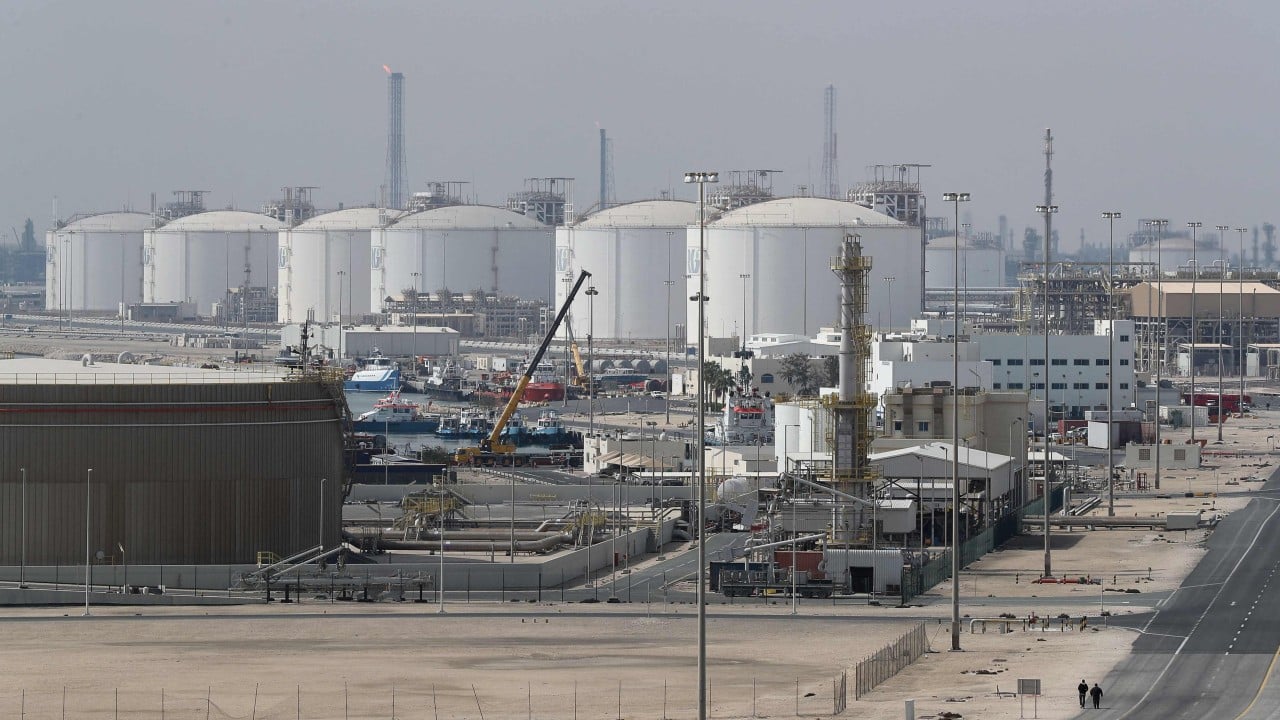
AdvertisementHong Kong stock marketBusinessChina BusinessRecession fears grip markets as energy facilities come under fire in Middle EastRisk-off mode takes hold as attacks bring crisis to ‘a more dangerous level for the global economy’, analyst says2-MIN READ2-MIN ListenZhang Shidongin ShanghaiPublished: 7:30pm, 19 Mar 2026A recession mindset took hold among global investors after strikes on energy infrastructure in the Middle East heightened fears that disruption to production and distribution would keep oil prices elevated for longer, darkening the global economic outlook.Crude prices staged a comeback on Thursday after Iran attacked a liquefied petroleum gas site in Qatar in retaliation for Israel’s strikes on its South Pars gas field. Brent futures surged 5.5 per cent to US$113.53 a barrel in London, and contracts for West Texas Intermediate jumped 1 per cent to US$97.44.“The attack on Qatari gas fields has taken the Gulf crisis to a more dangerous level for the global economy,” said Gary Dugan, CEO of The Global CIO Office, which advises family offices and ultra-high-net-worth investors. “Disruption to both oil and gas supplies is pushing prices higher and raises the risk of genuine fuel shortages that could materially crimp global growth.”AdvertisementThe outlook triggered a broad risk-off mode among investors, as the narrative following the closure of the Strait of Hormuz quickly shifted from energy shortage to supply disruption.The US dollar index held up firmly at around 100, indicating investors were looking for safe havens, while stock markets saw sell-offs. After the S&P 500 sank 1.4 per cent overnight, the Hang Seng Index slid 2 per cent on Thursday, while the Shanghai Composite Index of yuan-denominated stocks closed 1.4 per cent lower after briefly dropping below the 4,000-point threshold.AdvertisementMeanwhile, the yield on longer-dated US Treasuries edged higher, reflecting fears of resurgent inflation. Gold also retreated, with investors taking profits to cover margin calls linked to other asset classes.AdvertisementSelect VoiceSelect Speed0.8x0.9x1.0x1.1x1.2x1.5x1.75x00:0000:001.00x
Tags
Source Information
Discussion
0 professional contributions
Sign in to join this professional discussion.
Be the first to add a constructive contribution.