
KKR insiders buy $46M as firm pivots to retail and AI-proof assets
Understand this faster with AI


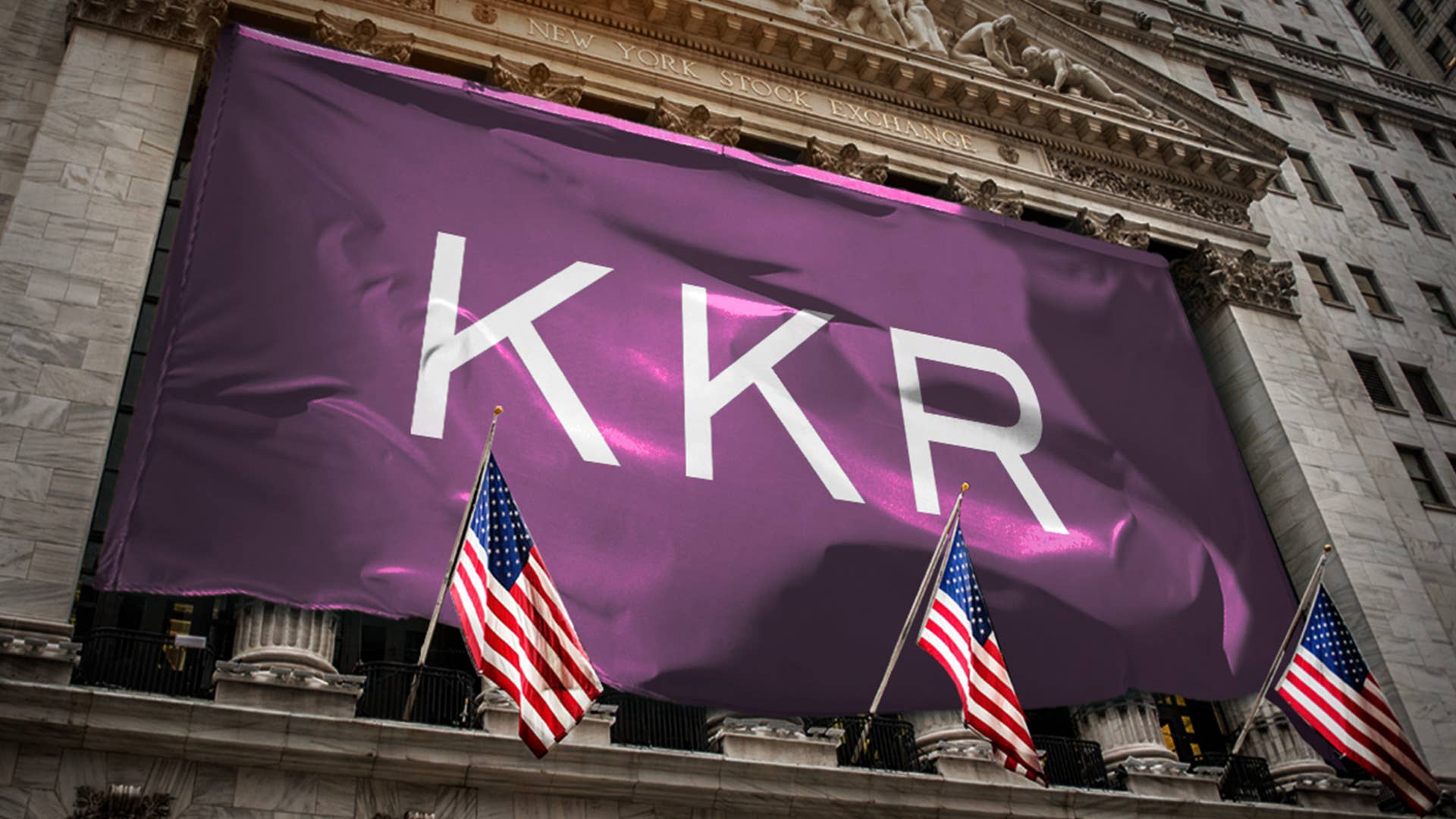
According to recent SEC filings, KKR executives have been buying large amounts of their own stock in recent weeks.This past month, Co-CEOs Scott Nuttall and Joe Bae, along with directors including Mary Dillon and Timothy Barakett, bought about $46 million in KKR shares, according to Form 4 disclosures.Insider buying is commonly a sign of confidence within the C-suite, but specifically in KKR’s case, it comes as the firm shifts its business model from traditional private equity cycles toward one more centered around long-duration capital.The strategy revolves around retail wealth products, insurance assets, and longer-term ownership of operating companies, which altogether reshape how KKR generates earnings and its long-term stability.Reporting PersonTitle / RoleTransaction DateShares AcquiredPrice Per ShareTimothy R. BarakettDirector03/04/202650,000$94.47Mary N. DillonDirector03/02/202622,225$90.96Joseph Y. BaeCo-CEO02/27/202650,000$88.56Scott C. NuttallCo-CEO02/27/202650,000$87.81KKR Alternative Assets LLCKKR Real Estate Select Trust2/27/202659,372.674$23.18De-risking the tech narrative & 7% "anti-AI" firewallThe question “Is Saas dead?” permeates the markets like a daily echo.But it's especially haunting for private equity, whose portfolios are overly concentrated in legacy software companies bewildered by AI disruption.On the 2026 KKR Q4 earnings call, Scott Nuttall made clear that KKR is far from this SaaS exposure concern.KKR is pivoting its "float" from Global Atlantic(Insurance) into Asset-Based Finance (ABF) such as aircraft leases and data center debt, which are perceived as "AI-proof" compared to entities like mid-market SaaS providers.Asset ClassRisk ProfileKKR’s TiltTraditional SoftwareHigh DisruptionUnderweight (7%)InfrastructureInflation HedgeOverweight ($100B+ AUM)Asset-Based FinanceYield StabilityFocus ($85B AUM)KKR expands retail investor channel through Capital Group partnershipI mentioned the concept of private credit democratization in my prior articles. What was once available only to institutional big dogs or accredited investors now welcomes mom-and-pop investors.KKR’s new Capital Group partnership has no accreditation requirements and a minimum investment of $1,000 for most share classes.MoreEconomic Analysis:Ernst & Young drops blunt reality check on the economyFederal Reserve official blasts latest interest-rate pauseIMF drops blunt warning on US economyCapital Group — which manages $3.1 trillion — is tapping into the “mass affluent” market, The Wall Street Journal notes. Traditional PE funds could not previously access it. KKR is doing the same. It expanded through Capital Group to bring private market exposure into retirement products and model portfolios, according to Bloomberg. This gave access to banks and broker-dealers, which means more money from retail.KKR’s K-series funds, which allow individual investors to access the private markets, have increased to about $34 billion in assets, and the vehicles are distributed through financial advisors rather than traded directly through institutional channels.KKR launches middle-market CLO as companies approach loan maturity wallOn March 6, S&P Global Ratings assigned ratings to KKR-KIMM CLO 2 LLC, a new securitization backed by speculative-grade, senior-secured loans for middle-market companies.Over the next several years, approximately $1 trillion in leveraged loans is expected to mature, much of it issued by mid–sized borrowers during periods of low rates.For this deal, S&P assignedAAA ratings to the senior tranches, even though the underlying collateral, the loans, are rated BB+ or lower.Essentially, the structure allows institutional investors to purchase highly rated securities while funding riskier leveraged loans beneath the surface.KKR has around $118 billion in dry powder, giving it significant capacity to lend to struggling companies that have difficulty refinancing amid high interest rates. Related: Blackstone is betting on your local handyman
Tags
Source Information
Discussion
0 professional contributions
Sign in to join this professional discussion.
Be the first to add a constructive contribution.