
Hong Kong’s ageing challenge: is Singapore’s Kampung Admiralty model the answer?
Understand this faster with AI


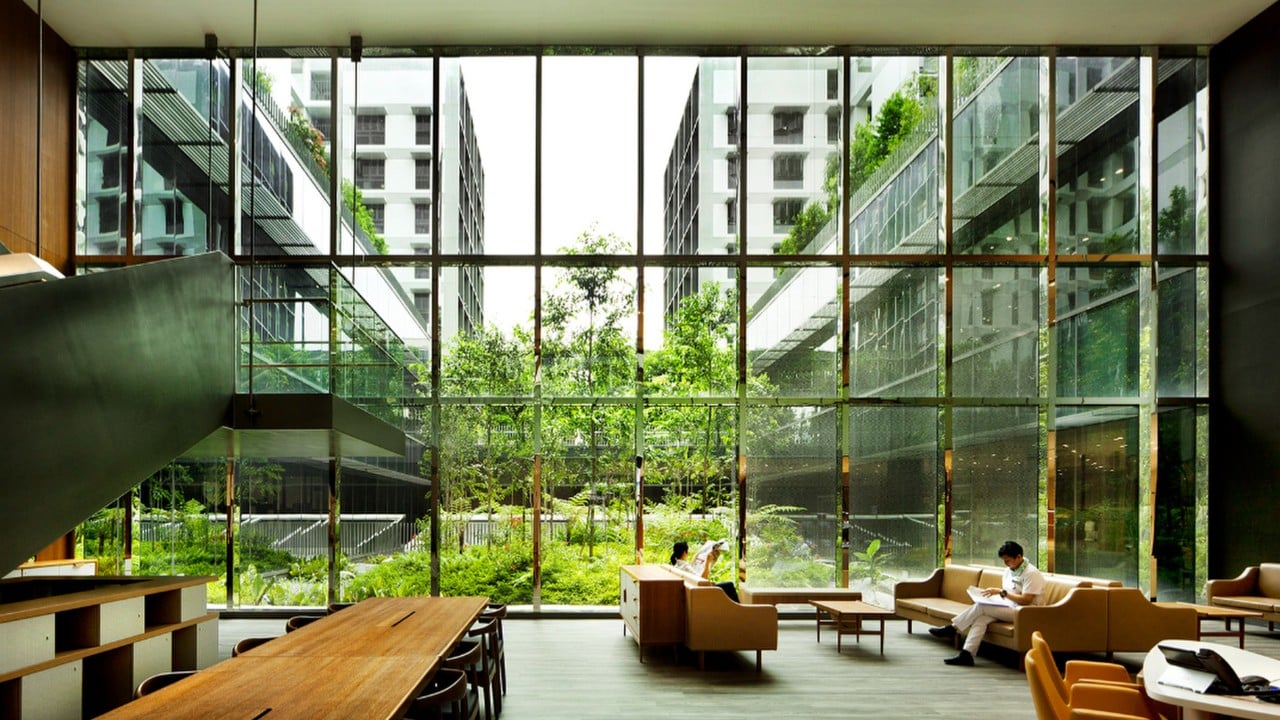
AdvertisementHong Kong propertyBusinessHong Kong’s ageing challenge: is Singapore’s Kampung Admiralty model the answer?With one in three Hongkongers set to be over 65, experts say the city may need to look abroad for ideas on housing its ageing population3-MIN READ3-MIN1 ListenCheryl ArcibalPublished: 3:30pm, 29 Mar 2026Hongkongers Oscar and Stella Chan, a couple in their late 60s, have little interest in moving into a traditional residential care home.The retired civil servants rent a flat in Ma On Shan in the New Territories and, while they acknowledge that ageing at home is not always “as straightforward as it sounds”, they believe conventional care homes can “feel restrictive”.“If my financial situation and health allow, I would much prefer not to stay in a residential care home for the elderly,” Oscar said.AdvertisementFor him and his wife, if a move eventually became necessary, they would hope for something that offered privacy and independence, while still making support available when needed.Kampung Admiralty in Singapore. Photo: WOHA“It would need to be private, self-contained living with the flexibility to access support when needed,” he said. “It feels more realistic for people like us who are still active and value independence, but also want to plan ahead sensibly.”AdvertisementAdvertisementSelect VoiceSelect Speed0.8x0.9x1.0x1.1x1.2x1.5x1.75x00:0000:001.00x
Source Information
Discussion
0 professional contributions
Sign in to join this professional discussion.
Be the first to add a constructive contribution.