
The high price of Hong Kong’s slow switch to electric buses and taxis
Understand this faster with AI


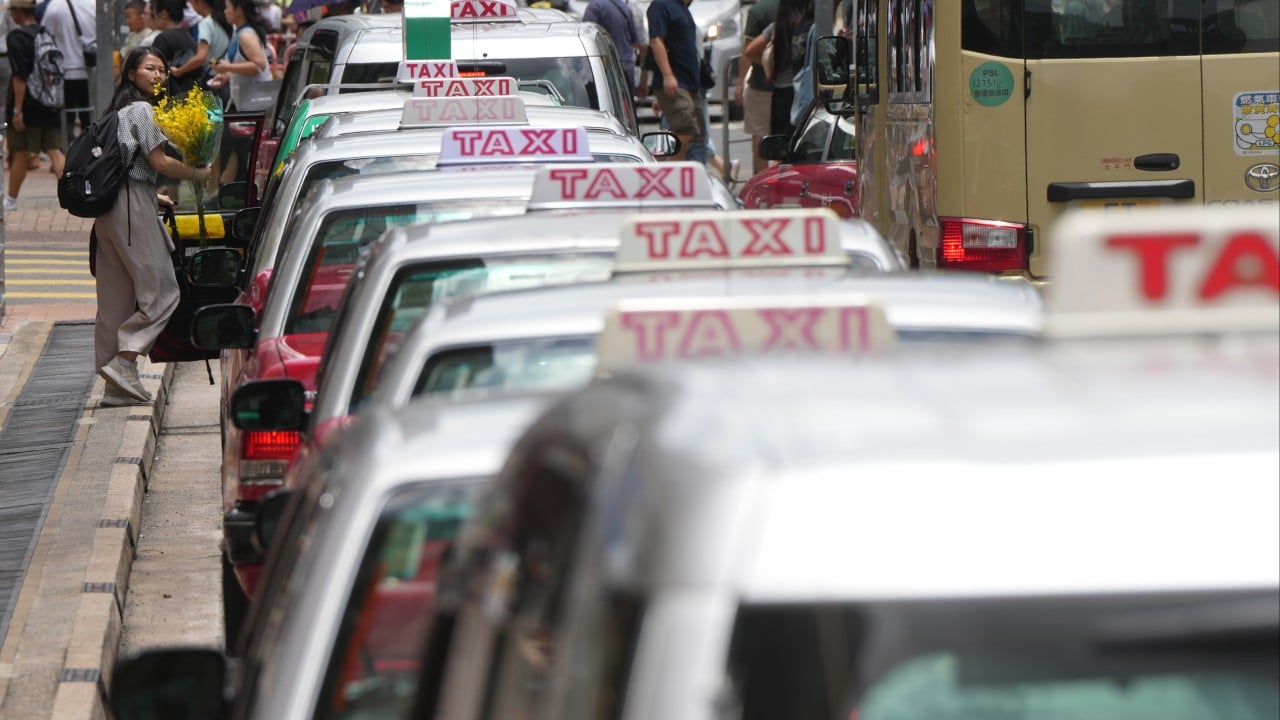
AdvertisementHong Kong environmental issuesOpinionHong Kong OpinionQuentin ParkerOpinion | The high price of Hong Kong’s slow switch to electric buses and taxisSlow electrification undermines the city’s green ambitions and squanders a chance to secure its role as a Greater Bay Area innovation hubReading Time:3 minutesWhy you can trust SCMP1Quentin ParkerPublished: 9:30am, 1 Mar 2026Hong Kong sees itself as a modern, well-governed, global city that moves with the times. On finance, education, legal services and logistics, that self-image holds. But when considering the green transition, particularly transport electrification, the gap between rhetoric and reality is increasingly hard to ignore.Nowhere is this more evident than in electrifying the taxi fleet, where the quarter-century timeline floated bears little resemblance to what is standard practice in neighbouring Shenzhen and other mainland cities and increasingly globally.Hong Kong is not devoid of environmental ambition. It has committed to carbon neutrality by 2050. It has published a Climate Action Plan, Clean Air Plan and road map for electric vehicles (EVs). Coal is being phased down in power generation and the Lamma power station is moving from coal to gas – cleaner, yes, though still fossil fuel.AdvertisementImportantly, given our fintech expertise and global financial clout, the city is positioning itself as a regional hub for green finance, using its capital market strengths to support regional low‑carbon projects.Despite these initiatives, our streets remain dominated by diesel and petrol vehicles. Roadside air quality in dense urban areas is a concern. While the fraction of electric cars in Hong Kong is improving, it still lags well behind Shenzhen, where 85 per cent of new vehicles sold are electric, served by over 400,000 charging points. When we turn to taxis, one of Hong Kong’s most visible transport elements, the contrast is sobering and frankly depressing.AdvertisementShenzhen completed the electrification of its bus fleet years ago and has effectively electrified its taxi fleet too. Other mainland cities, including Guangzhou and Shanghai, have also moved aggressively to deploy EVs and hydrogen-fuelled vehicles across public and commercial transport. They have treated large urban fleets as low-hanging, highly visible fruit in the focused drive to cut emissions, improve air quality and stimulate domestic innovation in batteries, drivetrains and rapid-charging technologies.AdvertisementSelect VoiceSelect Speed0.8x0.9x1.0x1.1x1.2x1.5x1.75x00:0000:001.00x
Tags
Source Information
Discussion
0 professional contributions
Sign in to join this professional discussion.
Be the first to add a constructive contribution.