
Here's Why Google's $185 Billion AI Bet in 2026 Could Either Be a Masterstroke or Its Biggest Mistake
Understand this faster with AI


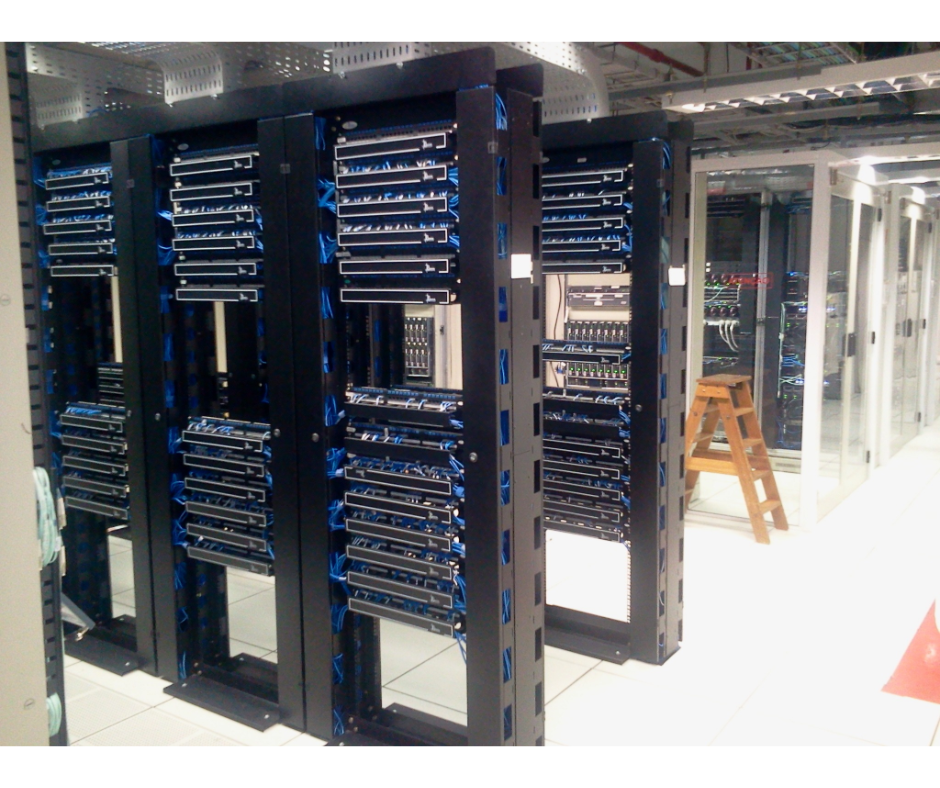
By Jack Delaney – Mar 18, 2026 at 8:10AM ESTKey PointsWhile Alphabet was perceived for a time as a laggard in the AI race, it's now seen as a leader.Its stock price climbed nearly 66% in 2025. The markets are now worried about the size of Alphabet's capital expenditures, which could reach $185 billion in 2026.For 2026, Google parent Alphabet (GOOG +1.64%) (GOOGL) now projects that it will lay out between $175 billion and $185 billion on capital expenditures -- nearly double the amount it spent on them in 2025. That massive budget, which will largely go toward data centers, networking equipment, AI processors, and servers, is meant to keep the tech giant at the front of the pack in the increasingly expensive artificial intelligence (AI) race. But is this extensive infrastructure buildout a strategic masterstroke or a big mistake? Image source: Getty Images. Why some are bullish The tech world is full of examples of companies that don't adapt to innovation quickly enough. Kodak had the chance to get into digital cameras early, but failed to. BlackBerry dismissed touchscreens. Blockbuster didn't take video streaming seriously. Executives are well aware of those history lessons and want to avoid having their businesses become case studies of what happens when a company doesn't adjust in time. ExpandNASDAQ: GOOGLAlphabetToday's Change(1.75%) $5.35Current Price$310.91Key Data PointsMarket Cap$3.8TDay's Range$305.52 - $311.4052wk Range$140.53 - $349.00Volume12KAvg Vol33MGross Margin59.68%Dividend Yield0.27% If the value that AI winds up delivering lives up to the hype, Alphabet will have a solid foothold in that market that it will be able to enhance as it makes more investments. It has the chips and cloud services other companies need for the AI buildout, with its cloud division in particular offering a bright spot. In Q4 2025, Google Cloud revenue increased 48% year over year to $17.6 billion, and the segment's operating income increased 30.1% to $5.3 billion. Another proof point for Alphabet's cloud strength for AI use can be found in its backlog. "Google Cloud's backlog increased 55% sequentially and more than doubled year over year, reaching $240 billion at the end of the fourth quarter," said CFO Anat Ashkenazi on the company's Q4 earnings call. "The increase in backlog was driven by strong demand for our cloud products, led by our enterprise AI offerings, from multiple customers." It also has its own in-house products that it can optimize and monetize using AI, such as Google Search. Why you still need to be cautious Whenever you invest in a company, it's exciting to think about what can go right, but what's equally important, if not more so, is considering what can go wrong. There are several risks that come with Alphabet's impressive spending plans. One is that Wall Street may not have the patience to let the narrative fully play out before reaching a verdict on the stock. For example, Alphabet delivered what was generally considered a strong Q4 report, beating consensus top and bottom-line expectations. The stock price still took a hit, however, as management announced the scale of its 2026 capital expenditure plans. On Feb. 4, the day of the earnings announcement, Alphabet's Class A shares opened at $342.96. The next day, they opened 9% lower at at $312.09. That shows how much short-term concern can weigh down the stock price, but the biggest risk for the tech giant is that demand for AI processing power might not live up to expectations in the long term. If AI demand isn't at the levels expected for all the big tech players building out the infrastructure, the fears that they have been overspending could prove prophetic. As one of the companies with one of the biggest spending plans, Alphabet could be hit especially hard. What to make of its $185 billion investment Since the AI race started, Alphabet has been in a precarious position. One of the narratives early in the AI race was that Alphabet was caught flat-footed by OpenAI's launch of ChatGPT. Alphabet shifted that perception last year, and its shares rebounded, climbing roughly 66%. For 2026, one predominant theme in the market is worry that tech giants are spending too much on AI infrastructure when they may not reap strong enough returns on those investments. To separate the noise from what matters in this case, it helps to consider Alphabet's financial situation. It isn't a risky start-up going all-in on a speculative technology that will either make it or break it. It's generating huge profits in the here and now, with net income of $132 billion in 2025, a 32% increase from 2024. It also has diverse revenue sources and a bankroll that should allow it to navigate any setbacks and stumbles it encounters. Overall, whether you believe Alphabet needs to ramp up its spending or cut back on it, this will still require more than a quarter-to-quarter mindset as we all watch to see how it plays out.Read NextMar 16, 2026 •By Daniel SparksPrediction: Alphabet Stock Will Crush Palantir Stock Over the Next 5 YearsMar 14, 2026 •By Daniel SparksAlphabet vs. American Express: Which Warren Buffett Stock Is a Better Buy?Mar 14, 2026 •By James HiresJensen Huang Says the "Agentic AI Inflection Point Has Arrived." Here Are 2 Stocks to Buy for 2026.Mar 12, 2026 •By Keithen Drury3 Reasons Why Alphabet Stock Is a Smart BuyMar 11, 2026 •By Keithen Drury2 Stocks That Will Be Worth More Than Apple by 2028Mar 9, 2026 •By Prosper Junior BakinyBillionaire David Tepper Sold Nvidia Stock and Piled Into This AI Stock That's Up Nearly 200% in the Past 5 YearsAbout the AuthorJack is a seasoned content strategist with over a decade of experience in financial publishing. He's directed technology, emerging opportunities, and alternative asset publications to deliver actionable insights to investors. He has a B.A. in Communication Studies.TMFJackDelaneyStocks MentionedAlphabetNASDAQ: GOOG$309.41(+1.64%)+$4.99AlphabetNASDAQ: GOOGL$310.91(+1.75%)+$5.35*Average returns of all recommendations since inception. Cost basis and return based on previous market day close.
Tags
Source Information
Discussion
0 professional contributions
Sign in to join this professional discussion.
Be the first to add a constructive contribution.