
Dave Ramsey, AARP warn Americans on vital Social Security dilemma
Understand this faster with AI


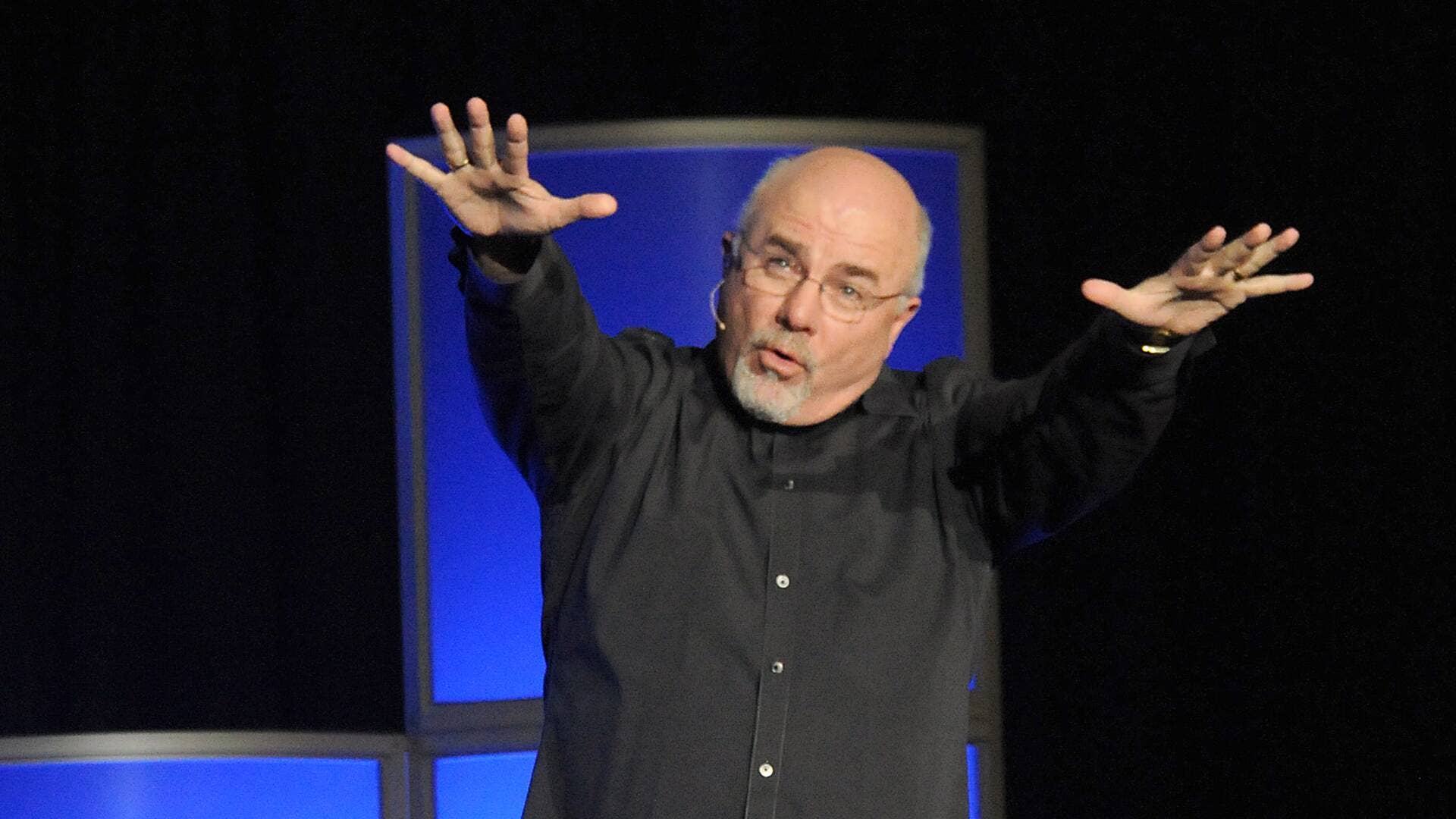
For millions of working Americans approaching retirement age, a common sense of an emotional tug-of-war can set in over exactly when the best time is to stop working and begin collecting Social Security."You’re eligible to start receiving retirement benefits at age 62 (even if you choose to keep working), but you won’t be able to receive your full retirement benefits until you hit your full retirement age, which is based on when you were born," wrote bestselling personal finance author Dave Ramsey. "If you were born in 1960 or later, for example, your full retirement age (FRA) is 67."AARP, the nonprofit advocacy organization for Americans over 50 years old, adds some specifics."You can apply up to four months before you want your Social Security payments to start. For example, if you turn 62 in June, your benefits can begin in July, and you can apply as early as March," AARP wrote. "There is an exception: If you were born on the first or second day of a month, you can begin collecting your benefits in that month," AARP added.Related: AARP, SSA warn retirees about new benefit reductionsBoth Ramsey and AARP issue a warning to Americans considering retiring early: Starting benefits before reaching full retirement age triggers a reduction, with Social Security trimming one's monthly check by a small percentage for each month claimed early."The dollars add up," AARP emphasized.Dave Ramsey warns Americans about retiring earlyWhen people first qualify for Social Security retirement benefits, the central issue they wrestle with is whether to take the smaller payment available right away or hold off until full retirement age — or even beyond — to secure a larger monthly check."It’s a big decision — because once you start receiving your benefits, there’s no going back," Ramsey wrote."In most cases, it actually makes more sense to take your retirement benefits sooner instead of waiting later," he continued. "Why? Because your retirement payments die when you die ... so you might as well take the money and make the most of it while you can."That choice also carries implications for spousal benefits, because claiming early can lower the amount a husband or wife may receive — both while the retiree is alive and, if the retiree passes away first, through the survivor benefit their spouse would otherwise be entitled to.More on personal finance:Zillow forecasts big mortgage change for U.S. housing marketAARP sounds alarm on major Social Security problemDave Ramsey bluntly warns Americans on 401(k)sAnother important consideration is that if one's budget doesn’t depend on Social Security to cover day‑to‑day expenses, putting those monthly checks to work as investments can be a smart way to build a nest egg even further."After all, you can do a much better job investing that money than the government ever could," Ramsey wrote. Dave Ramsey and AARP warn Americans about Social Security benefit reductions when collecting early.Shutterstock AARP: When to begin collecting Social Security is personalThe dilemma here is whether to claim a reduced Social Security benefit early or delay for a higher monthly amount. The best choice for each individual hinges on personal circumstances — health, marriage, finances, and job security among them.Here are some important factors to consider, according to AARP.Health and longevity considerationsAssessing personal health and family medical history helps clarify whether delaying benefits is likely to pay off.A longer expected lifespan makes a larger, later benefit more valuable for long‑term financial stability.Poor health or a family pattern of shorter lifespans may tilt the decision toward claiming earlier so the household receives more over the retiree’s remaining years.Employment stability and income needsMany older workers face forced early retirement or reduced hours as companies restructure.If steady full‑time work becomes uncertain and income tightens, claiming early — even at a reduced rate — may be necessary to cover essential expenses.Part‑time or gig work can make early benefits a practical bridge.Survivor benefits and family protectionA spouse’s survivor benefit is tied to the amount the retiree was receiving or eligible to receive at death.Delaying a claim increases the eventual survivor benefit, potentially providing stronger financial support for a spouse (and in some cases children) after the retiree dies.Claiming early locks in a lower base amount, which can reduce what survivors receive.Earnings test before full retirement ageClaiming before full retirement age can trigger the earnings test, which withholds part of the benefit if work income exceeds a set limit. (See the Social Security Administration's (SSA) earnings test calculator.)Withholding can also affect benefits paid to a spouse or children who are collecting on the same record.Once full retirement age is reached, benefits are no longer subject to withholding regardless of earnings.Retroactive benefits after full retirement ageFiling after full retirement age may allow up to six months of retroactive benefits.Choosing retroactive payments reduces or eliminates delayed retirement credits earned during those months.This trade‑off can matter for both lifetime benefits and survivor benefits tied to the final benefit amount.Related: AARP raises red flag for American workers on 401(k)s, IRAs
Source Information
Discussion
0 professional contributions
Sign in to join this professional discussion.
Be the first to add a constructive contribution.