
I burned out at my VC job, so I opened a Pilates studio. I work more now — but it feels good to not have to say 'yes.'
Understand this faster with AI


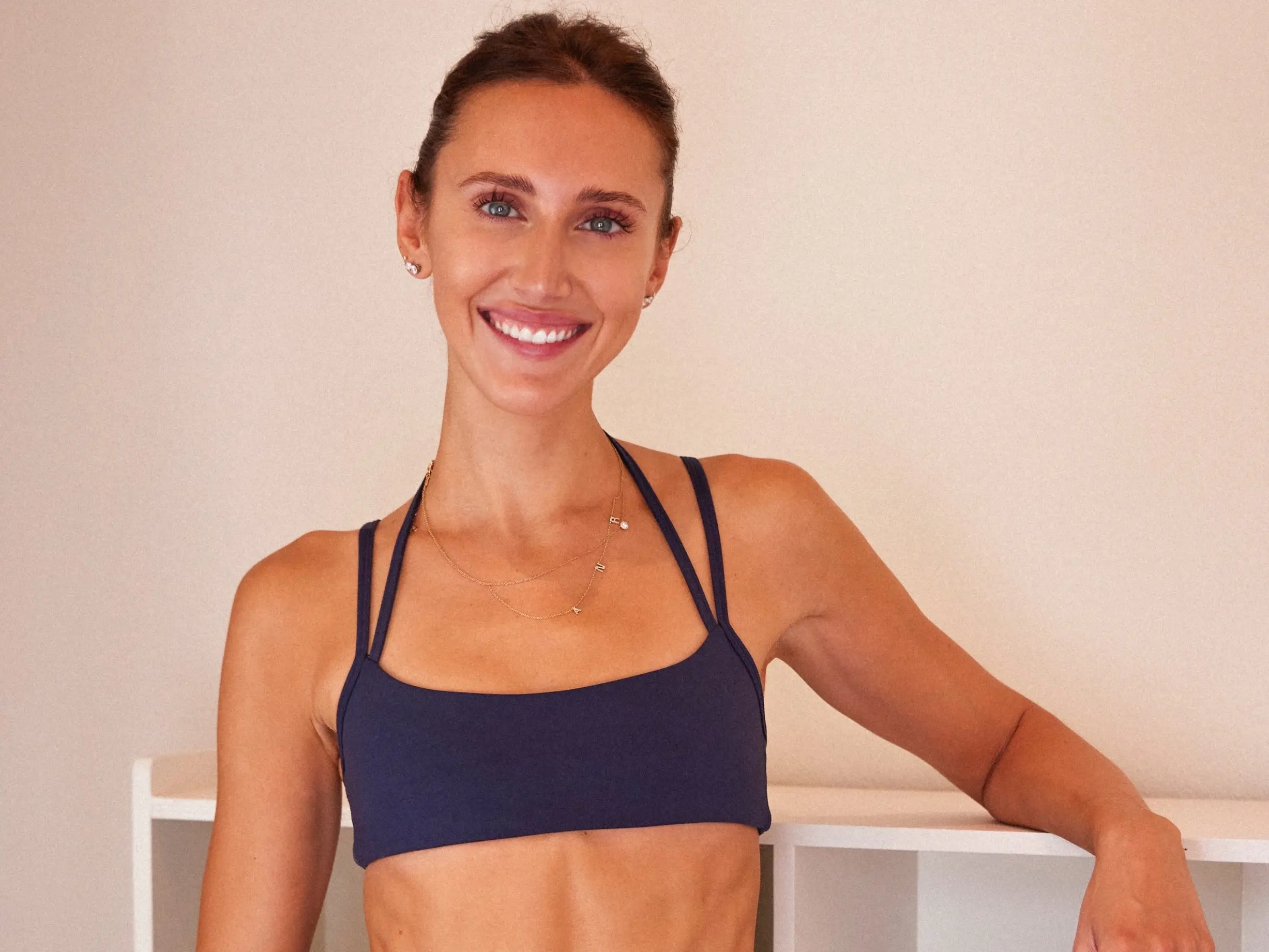
Anna Noelle Rinke said she felt like she always had to say "yes" when she worked a corporate job.
Anna Noelle Rinke 2026-04-10T09:13:01.239Z Share Copy link Email Facebook WhatsApp X LinkedIn Bluesky Threads lighning bolt icon An icon in the shape of a lightning bolt.
Impact Link Save Saved Read in app This story is available exclusively to Business Insider subscribers. Become an Insider and start reading now. Have an account? Log in.
Anna Noelle Rinke, cofounder of Homebody Studios, left her corporate job after feeling burnt out. Now that she's a boss, she said she feels like she can say "no," and has autonomy in structuring her schedule. She said she now works longer, but doesn't mind because she feels aligned with the work. AI-generated summary Summaries are generated by an AI model trained on Business Insider's articles. AI may make mistakes or provide inaccurate/incomplete information. We're unable to load that answer right now. Please try again. What inspired Anna Rinke to start Pilates? What are the challenges of being a cofounder? What skills are transferable to entrepreneurship? How does burnout affect career choices? How can leaders promote work-life balance? This as-told-to essay is based on a conversation with Anna Noelle Rinke, the 30-year-old Austin-based founder of Homebody Studios. Her previous employment and identity have been verified by Business Insider. The following has been edited for length and clarity. Loading audio narration... I have an engineering background, and I worked in tech for the first portion of my career. I started an AI software company that was part of IBM's intrapreneur program. It made me realize I love entrepreneurship, but I wanted to learn a lot more. And then I was most recently a chief of staff to a major venture investor in Austin.I absolutely loved the job. We were running a million miles a minute and I went into this job knowing it would be very intense and "on" all the time. But I was not getting enough sleep. I was not eating full meals. And I was putting more stress on myself than was even necessary. I felt like if I continued to treat my body this way, there would be some repercussions. I was a cog in the machine that was an incredible company, but I got burned out.Roughly 18 months ago, I left my job in venture capital and started a Pilates brand. I've been a Pilates lover for seven years, and after I quit, it was the first time in my life I could explore it in a deeper way. I never had the time previously to get any form of fitness certification and I did that after quitting and fell in love. I started teaching privately and then I met my founder at a Pilates class.She was the director of marketing at a fashion brand, already had a Pilates studio, and knew how to build a brand. I have the operational background and already founded a startup. I knew how to run a team and scale. So we decided to come together. It was weird to go from working in such technical areas to telling everyone that I'm doing Pilates now. It was a big shift — and a big ego death.I don't have to always say "yes"We opened our first location in November 2024, and we now have four. I took a lot of lessons from my time in corporate about how to communicate effectively and approach systems and teams. We're scaling like a tech company — but still maintaining our health and relationships and the important things along the way. The workload is more than I had before, but it's different. My cofounder and I can make the call if we want to say "yes" or "no."If an event or brand deal comes up but we've been back-to-back for weeks, it's up to us to have the discernment to say, "Is this really worth it? Is this more important than our health and our option to rest right now?" When I was an employee at a company, I had free will to say "no," but my nature was to say "yes." Now as a leader, I'm leaning into slowing down. I'm also thinking about my team and not wanting them to experience the things that I had to put myself through.As a cofounder, I also have the autonomy to run an errand in the middle of the day. As an employee, you can't do that, unless it's part of the company culture, which it's usually not. I also have the autonomy to eat a full meal in between meetings, rather than just a protein bar. I'm able to balance health and relationships with my work. It doesn't feel like workAt my AI startup, I worked roughly nine-hour days. The chief of staff job was typically 12 hours, although we had a light season, so I would work eight-hour days during the summer.Now I work about 10 hours on weekdays, but sometimes it can creep to 12, and other times it's only six. That includes me taking a class, though, where I'm still kind of working. I also work on weekends, about four or five hours a day, unless we have an event and it's more. A lot of days, I finish up at 6 p.m., eat dinner, and go back on my computer until bed. We have studios in Texas and California, so we work across multiple time zones.I feel so aligned with what I'm doing right now that it doesn't feel like work. I feel like I always heard people say that and I didn't understand. I love what I do so much and I love seeing how we're helping people with their mental and physical goals. I could work 20 hours a day and it wouldn't drain me. To feel so rewarded by work always felt like such a fairy tale — honestly like propaganda — but it's real once you feel like you're doing something that you're meant to be doing.
Tags
Source Information
Discussion
0 professional contributions
Sign in to join this professional discussion.
Be the first to add a constructive contribution.