
Blue Owl Capital liquidity trap or shadow bank misinformation wave?
Understand this faster with AI


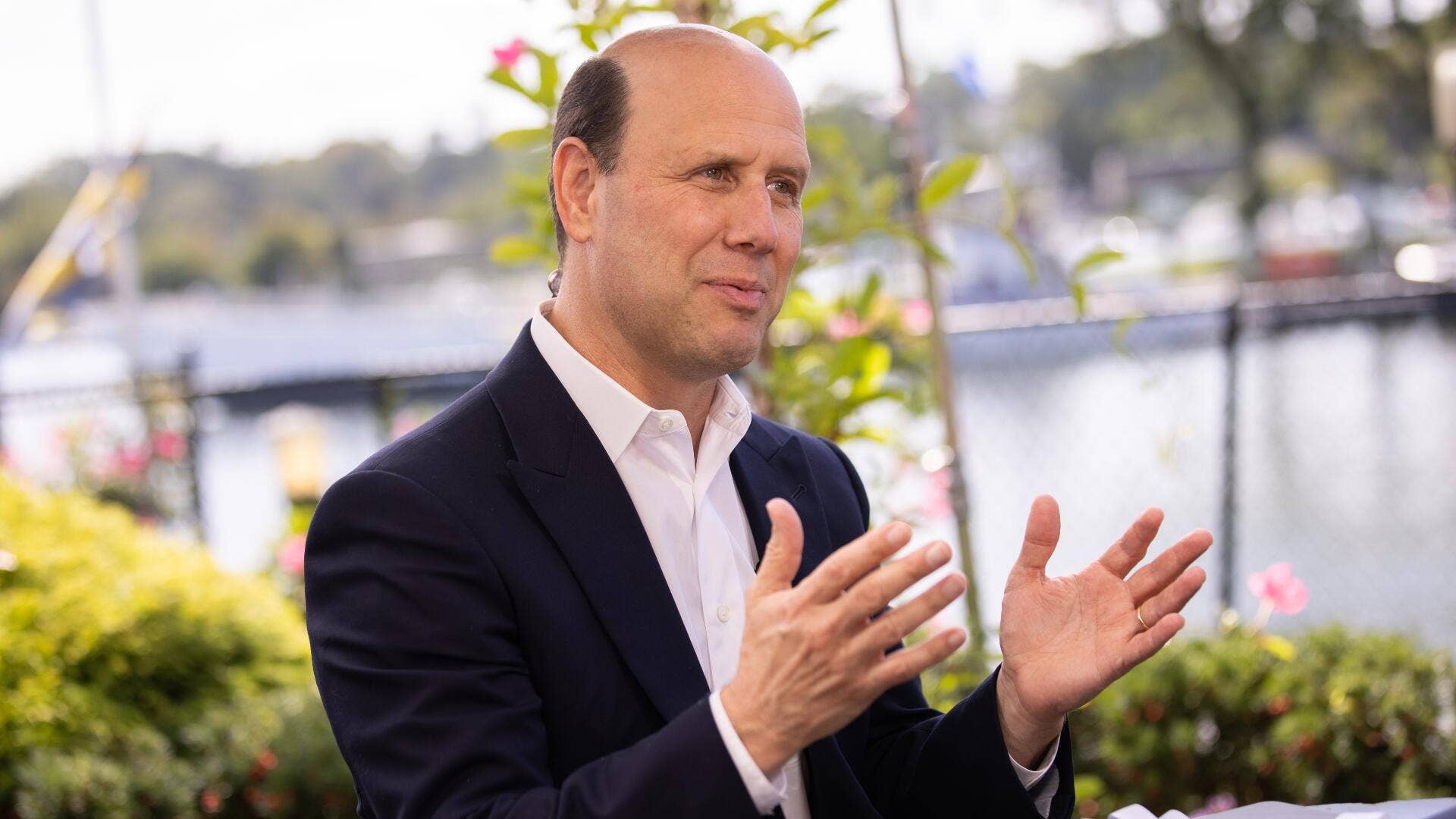
When Blue Owl Capital’s OBDC IIfund limited withdrawals by stopping quarterly tenders in favor of a 30% distribution plan, the market wasn’t so happy: (-10% stock drop).The asset giant’s liquidity rules were structured under the guise of ‘normal’ conditions, but got hit by a redemption rush just as public markets started to price private credit at a discount to its stated value.On Feb 18, 2026, Blue Owl sold off $1.4B in loans at almost par, 99.7%, which is the opposite of a "steep haircut." But the market’s perception of a liquidity trap is what "pokes the bear," even if loan quality is high.Blue Owl Capital (OWL) is in the midst of a large sell-off, which analysts deem a misinformation wave in the private credit sector.The Alt space has long been misunderstood by the public markets.Blackstone (BX): Late 2022, Blackstone “gated” redemptions for the BREIT fund, and markets panicked. Redemptions normalized, and BX stock returned over 70% in 2023.Apollo Global Management (APO): Markets misunderstood Apollo’s transition to retirement services with its acquisition of Athene. After its “origination” model was understood, APO stock reached its high in 2024-2025.Blue Owl’s 2025 performance and core narrative merge two realities: an AI expansion on top, with a tight liquidity crunch underneath. Photographer: Bing Guan/Bloomberg via Getty Images Blue Owl Capital’s "Liquidity Paradox” & looking at record growth vs structural frictionIf we take a deep look into the guts of Blue Owl’s 10K, a few things stand out:The AI Pivot: Blue Owl’s Real Assets platform saw an increase of $220.1 million in revenue, driven by their Digital Infrastructure Segment management fees & IPI Acquisition.$55.9 million in deferred incentives (discounts) was paid out to attract a new customer base.So what? It means Blue Owl is scheduled to pay $1.7 billion over the agreement’s life, and by 2030, the payments will exceed $116 million annually - cash that can’t be utilized for dividends or buybacks. It is a contractually required transfer of wealth from the public company to its insiders.Related: Blue Owl’s $1.4 Billion Loan Sale Tests Private Credit ValuationsThe company reports GAAP revenues of $2.87 billion. But the Tax Receivable Agreement (TRA) obliges Blue Owl to pay 85% of its tax savings to founders and early partners.Institutional contrarian views: The misinformation wave of private creditMany institutional heads have pushed back on what is deemed a “misinformation” wave in the private credit markets.In a Bank of America report on February 23, 2026, a sharp rebuttal to the “liquidity crisis” narrative is made, calling the recent stock sell-off a major buying opportunity amid this misinformation wave.More Wall Street:Billionaire Dalio sends 2-words on Fed pick WarshTop analyst bets these stocks will boost your portfolio in 2026Bank of America sends quiet warning to stock market investorsBofA maintains a $24 price objective & buy rating for Blue Owl, signaling a possible return of over 100%. Arguments involve the market not understanding Blue Owl's liquidity maneuvers and credit quality, drawing on past oversold periods with Blackstone and Apollo that yielded triple-digit returns after redemptions normalized.Analysts assert that the $1.4 billion asset sale is a strong sign, and, as mentioned in my previous article, was transacted at almost par (99.7%).Second, the “gating” rumors are dismissed, saying OBDC is on an orderly “runoff,” returning capital at par rather than being restricted.Industry heads like Kent Collier, CEO of Octus, have dismissed Blue Owl’s volatility as market panic and noted SaaS assets are resilient, "Software is typically negative working capital with minimal physical capex... ARR doesn't disappear overnight," Collier noted.However, Moody’s Ratings, in its February 2026 Outlook, said the rapid dynamics in private credit inherently carry systemic risks.Moody's Analysts highlight that the deeper the ties between private credit funds, retail wealth channels, and insurers, the further lack of transparency in valuation can lead to the stock’s sharp volatility, as seen in Blue Owl’s recent stock performance.Related: SaaS-pocalypse stresses $3 trillion private credit market
Source Information
Discussion
0 professional contributions
Sign in to join this professional discussion.
Be the first to add a constructive contribution.