
Actor Jane Seymour, 75, says she avoids sleep anxiety by keeping one thing close to her bed
Understand this faster with AI


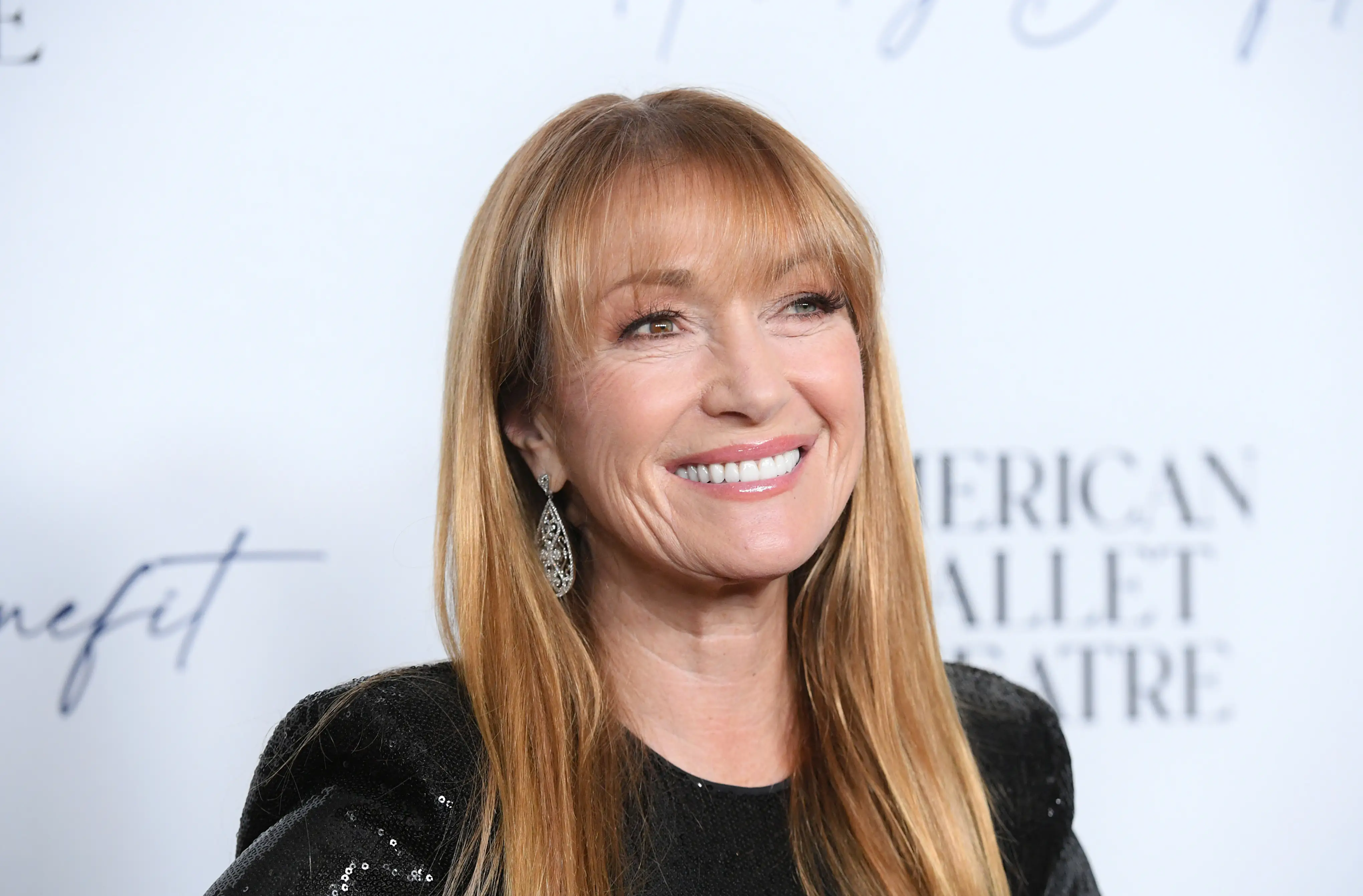
Jane Seymour, 75, says she doesn't panic when she can't fall asleep. Michael Tullberg/Getty Images 2026-04-20T04:09:04.459Z Share Copy link Email Facebook WhatsApp X LinkedIn Bluesky Threads lighning bolt icon An icon in the shape of a lightning bolt.
Impact Link Save Saved Read in app This story is available exclusively to Business Insider subscribers. Become an Insider and start reading now. Have an account? Log in. Jane Seymour, 75, says she avoids sleep anxiety by having a notepad within reach. She says she either meditates or writes down what she's worrying about before bed. "I definitely believe in that, quieting the mind," the former Bond girl said. AI-generated summary Summaries are generated by an AI model trained on Business Insider's articles. AI may make mistakes or provide inaccurate/incomplete information. We're unable to load that answer right now. Please try again. What are sleep anxiety triggers? What are the benefits of journaling? What is the science behind a "quiet mind"? How can meditation aid sleep? How does jet lag affect sleep patterns? After decades of jet lag, night shoots, and unpredictable schedules, Jane Seymour says she's found a way to keep sleep anxiety in check. Loading audio narration... Speaking to Business Insider as part of her partnership with The Body Firm, Seymour said she aims to get at least 8 hours of sleep each night."I do have blackout curtains, I guess. But once I turn the switch in myself and say it's bedtime, I'm usually able just to go to sleep," Seymour, 75, said. If she can't fall asleep, she doesn't panic or fixate on it, she said."My entire life is based on making movies where suddenly one day they say, 'Oh, we're doing nights now,'" she said. Seymour added that she hardly ever gets the time to adjust her body clock when that happens. "You just have to go with it," she said.It's no different from having babies, who wake and need feeding on their own schedule, she said. On those nights when she can't sleep, she does two things."One is I'll meditate on it, or I'll have a pad by the bed, and I'll just write down what I'm worrying about. Once it's out of my head and on a piece of paper, I can sleep," Seymour said. "I definitely believe in that, quieting the mind," she added.Seymour isn't the only one who uses journaling to clear her mind. In February, Olympic skier Tess Johnson said she journals twice a day, and it helps her perform under pressure. "I do a little bit of journaling in the morning to set my day, set my goals for the day and a little bit of gratitude, but then in the evening I let it all out and it's a little bit like word vomit, but whatever I need to just get out to get a good night of sleep," Johnson said.Other athletes, such as Michael Phelps and WNBA star Caitlin Clark, have also spoken about incorporating journaling into their daily habits. Journaling is often linked to a range of mental health benefits.Arthur C. Brooks, a Harvard professor and happiness scientist, told Business Insider's Julia Pugachevsky in October that journaling allows people to view their own thoughts impartially. "The act of writing down your thoughts moves your emotional experiences from the limbic system — the 'reptilian' part of your brain — to the prefrontal cortex, where you can rationally understand your feelings," Brooks said.Research has also suggested that journaling can help manage stress and calm anxiety. "When we journal, we can often unravel the hidden fears that lead to intermittent or chronic anxiety," Carla Marie Manly, a clinical psychologist, told Business Insider in 2022. "Certain types of journaling can also include learning to notice anxiety-inducing triggers."
Tags
Source Information
Discussion
0 professional contributions
Sign in to join this professional discussion.
Be the first to add a constructive contribution.