
Reports: US to Award $2 Billion to Quantum Companies, Take Equity Stakes
Understand this faster with AI


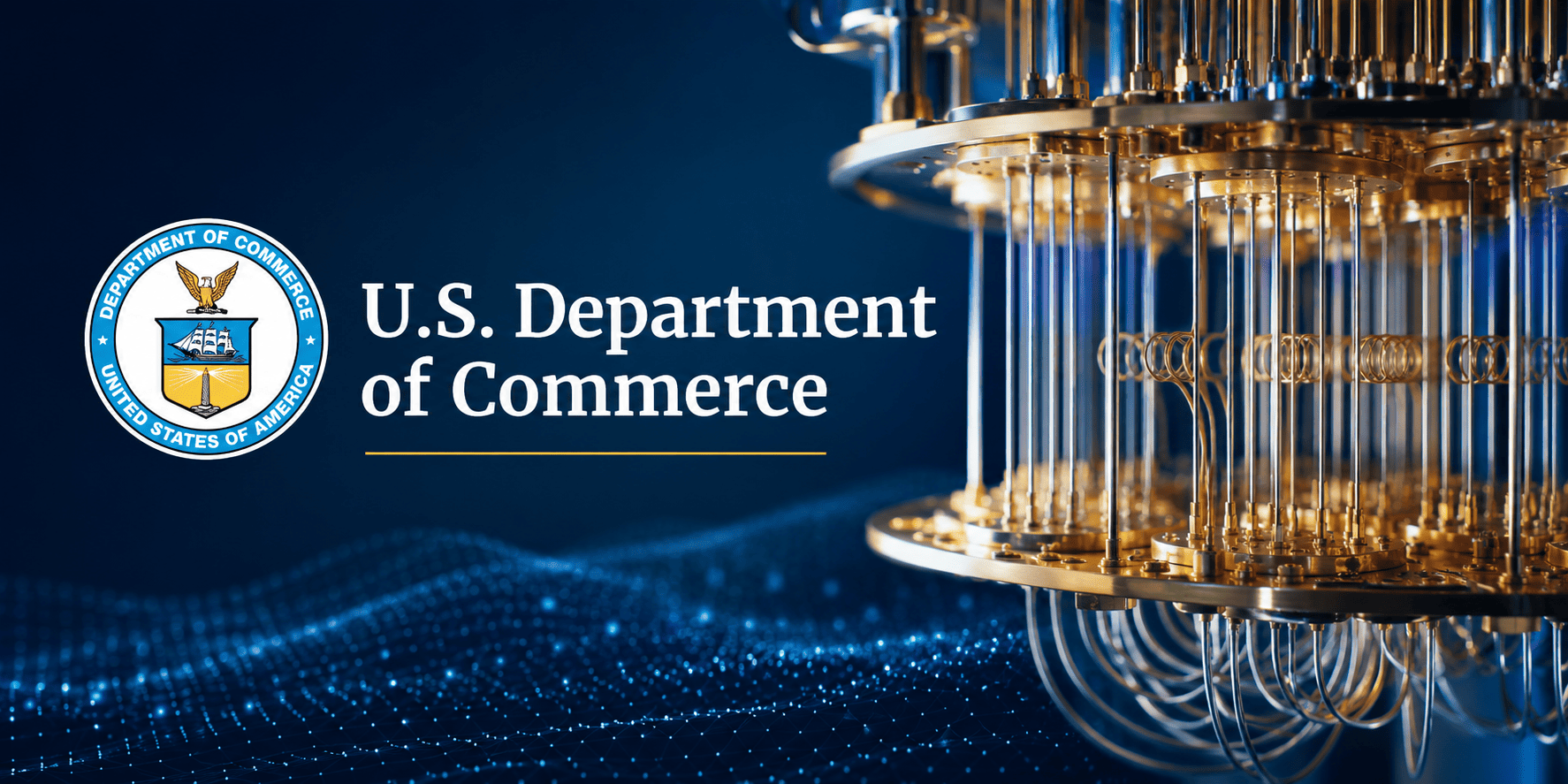
Insider Brief The Trump administration is reportedly preparing a $2 billion quantum computing funding package that would provide grants and government equity stakes to nine companies developing quantum technologies. IBM is expected to receive about $1 billion and GlobalFoundries about $375 million, while firms including D-Wave Quantum, Rigetti Computing and Infleqtion could each receive roughly $100 million. The reported investments expand Washington’s strategy of backing domestic supply-chain and strategic technology companies as the U.S. seeks to strengthen its position against China in advanced computing sectors. The Trump administration is preparing a new round of industrial policy aimed at quantum computing, with roughly $2 billion in grants expected to go to nine companies developing quantum hardware and related technologies. According to Reuters, citing a Wall Street Journal report, the U.S. Department of Commerce plans to distribute the funding through deals that also give the federal government equity stakes in the companies receiving the awards. The approach would expand Washington’s increasingly direct involvement in sectors viewed as strategically important to national security, advanced manufacturing and competition with China. Reuters reported that IBM is expected to receive the largest share of the package at about $1 billion. Semiconductor manufacturer GlobalFoundries is slated to receive approximately $375 million, according to the report. Other recipients are expected to include D-Wave Quantum, Rigetti Computing and Infleqtion, with each company potentially receiving around $100 million, Reuters reported. Australian quantum startup Diraq could receive about $38 million, according to the Wall Street Journal report cited by Reuters. The investments underscore how quantum computing has moved from an academic and experimental field into a geopolitical and industrial priority. Governments in the United States, China and Europe have increasingly treated quantum technologies as strategic infrastructure alongside semiconductors, artificial intelligence and advanced communications networks. Quantum computers operate differently from conventional computers by using the principles of quantum mechanics to process information. In theory, these systems could solve certain mathematical and scientific problems much faster than today’s supercomputers, particularly in areas such as materials science, logistics, cryptography and molecular simulation. But Reuters noted that the technology still faces major technical barriers. Current quantum systems devote significant computing resources to correcting errors caused by instability in quantum bits, or qubits. As a result, existing machines generally do not yet outperform classical computers in practical commercial applications. The Trump administration’s willingness to take ownership stakes in companies marks a decisive change in U.S. industrial policy. Reuters reported that the administration has already pursued similar strategies in sectors considered essential to domestic supply chains and national competitiveness, including semiconductors and rare earth minerals. Among the companies where the government has taken sizable positions are Intel and MP Materials, a rare earth mining company that plays a role in supplying materials used in electronics, defense systems and electric vehicles. The proposed quantum package also reflects growing concern in Washington over China’s investments in advanced computing and next-generation technologies. U.S. policymakers have increasingly argued that maintaining domestic quantum capabilities could be important for future economic competitiveness and military applications. Financial markets reacted positively to news of the expected awards. Reuters reported that shares of publicly traded companies tied to the package rose between 7% and 21% in premarket trading Thursday as investors interpreted the funding as a sign of long-term federal support for the industry. Reuters also reported that the Commerce Department, IBM, GlobalFoundries, Rigetti Computing, D-Wave Quantum and Infleqtion did not immediately respond to requests for comment. While the exact structure of the agreements remains unclear, the reported deals suggest the federal government is prepared to play a more direct financial role in shaping the future of the U.S. quantum industry, particularly as the race to commercialize the technology accelerates globally.
Matt Swayne LinkedIn With a several-decades long background in journalism and communications, Matt Swayne has worked as a science communicator for an R1 university for more than 12 years, specializing in translating high tech and deep tech for the general audience. He has served as a writer, editor and analyst at The Quantum Insider since its inception. In addition to his service as a science communicator, Matt also develops courses to improve the media and communications skills of scientists and has taught courses. matt@thequantuminsider.com Share this article:
Tags
Source Information
Discussion
0 professional contributions
Sign in to join this professional discussion.
Be the first to add a constructive contribution.