
Nvidia Just Announced a Major Quantum Computing Development
Understand this faster with AI


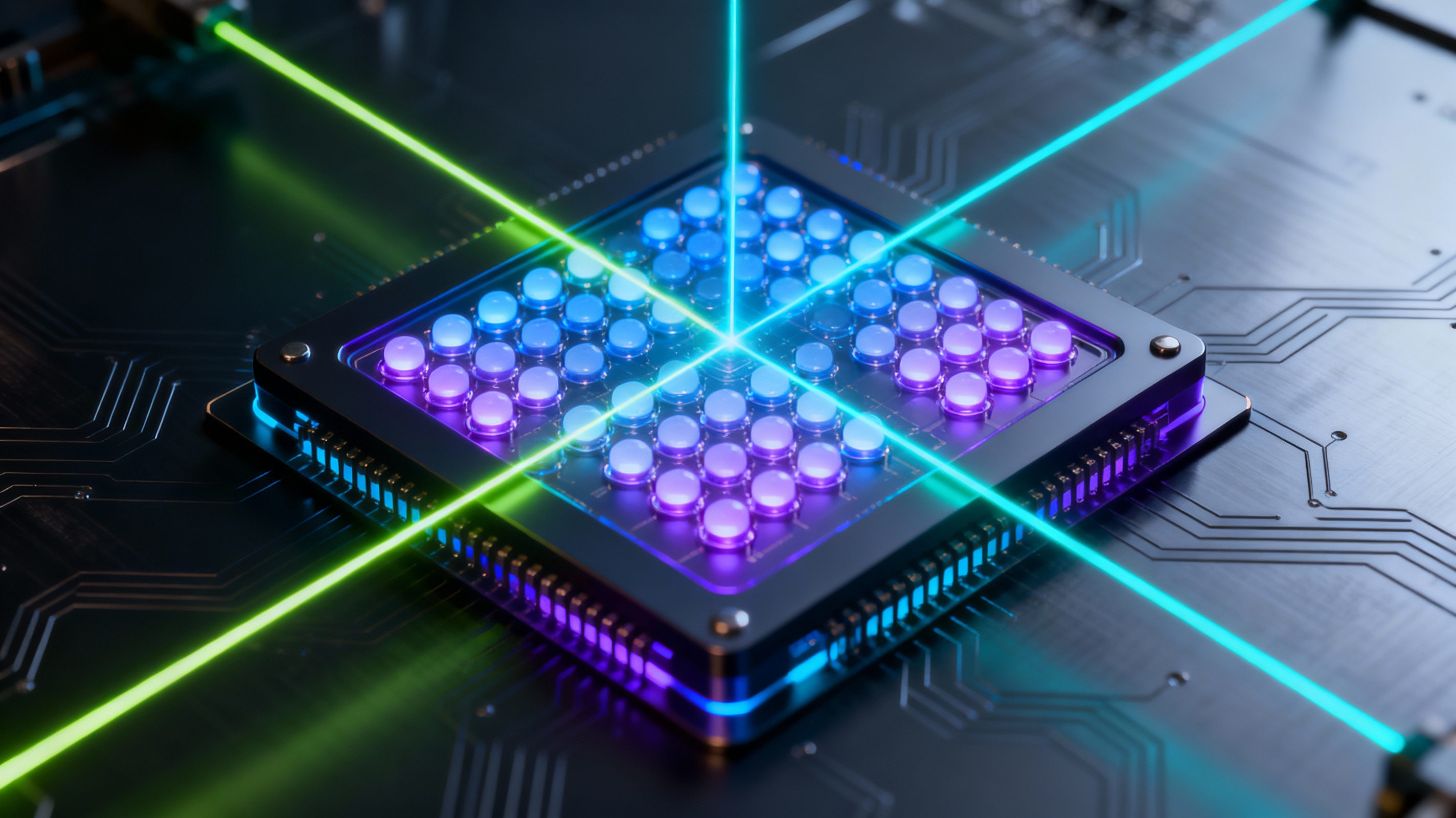
By Keithen Drury – Apr 26, 2026 at 7:45PM ESTKey PointsNvidia recently launched a new artificial intelligence (AI) model to assist with quantum computing.The company expects the quantum computing space to be led by hybrid solutions that make use of both quantum and traditional computing units. Nvidia (NVDA +4.30%) is primarily known for its graphics processing units (GPUs) -- parallel processors that excel in handling the workloads for accelerated computing applications. These have been widely deployed in an artificial intelligence (AI) setting, and surging demand for them from data centers has transformed Nvidia into the world's largest company. However, Nvidia has made it pretty clear that it isn't planning on building a quantum processing unit (QPU) for the next era of computing. Instead, it believes that the best way for it to participate in the nascent quantum computing space is to focus on the hybrid computing aspect, where a quantum computer is aided by classical computing infrastructure. Still, that isn't stopping Nvidia from being associated with quantum computing. Nvidia just announced another major quantum computing development, and it could bring quantum computers into the mainstream faster than most realize. Image source: Getty Images. Nvidia created its own AI model for quantum computers Nvidia announced a new AI model that's directly set up to help quantum computers out. Its specific use cases involve calibrating quantum computers and enhancing their error correction processes. Quantum computers are incredibly sensitive to interference -- an issue that results in them being error-prone. Those high error rates are the primary reason why quantum computing isn't being widely used yet. Nvidia says its Ising model's error correction is up to 2.5 times faster and 3 times more accurate than "traditional" approaches, and it has already been deployed by several research facilities and a handful of companies. ExpandNASDAQ: NVDANvidiaToday's Change(4.30%) $8.60Current Price$208.24Key Data PointsMarket Cap$5.1TDay's Range$199.82 - $210.9452wk Range$104.08 - $212.19Volume8MAvg Vol174MGross Margin71.07%Dividend Yield0.02% This could be a huge deal for Nvidia, as it continues to solidify its place in the quantum computing world. Last year, it debuted NVQLink, which provides a plug-in for quantum computers that enables them to interface directly with Nvidia's existing GPU infrastructure. Additionally, Nvidia's CUDA-Q software allows users to divide the workloads between GPUs and interface with various companies' quantum computers. Because Nvidia isn't building a QPU of its own, it's ensuring that its training computing hardware will still be the preferred partner when a hybrid approach rolls out. If quantum computing is a bust, Nvidia's accelerated computing units will continue to be the top processors in town. If a hybrid approach becomes popular, Nvidia will still see plenty of success. The only way Nvidia loses in this scenario is if quantum computers replace classical computers at a large scale, but the odds of that happening are far slimmer than the other two options. As a result, Nvidia is placing its bets on technologies with high payoff potential. I think it's making the smart move, as it positions the company for the future in a way that doesn't involve turning its back on the massive AI build-out that's powering its growth today.Read NextApr 26, 2026 •By Adria CiminoNvidia Just Did This For the First Time Since October. Here's What Happens Next, According to History.Apr 26, 2026 •By Will HealyThe Nasdaq Is on Fire. Here Are the 2 Best Artificial Intelligence (AI) Growth Stocks That Still Look Cheap.Apr 26, 2026 •By Adam SpataccoNvidia Has 8% of Its Portfolio in This Under-the-Radar $10 Stock Set to Disrupt a $200 Billion MarketApr 26, 2026 •By Daniel FoelberI Don't Use the Term "Generational Buying Opportunity" Lightly. Here's Why It Applies to This "Magnificent Seven" Growth Stock.Apr 26, 2026 •By Daniel SparksIntel Stock Is Soaring, Leaving Nvidia Shares in the Dust This Year.
But Which Stock Is a Better Buy Today?Apr 26, 2026 •By Kristi WaterworthBest Blockchain Stocks for 2026 and How to InvestAbout the AuthorKeithen Drury is a contributing Motley Fool technology analyst covering AI, semiconductors, cybersecurity, and SaaS stocks. In addition to The Motley Fool, Keithen is a mechanical engineer and has held roles at Honeywell and smaller industrial companies like Brand Hydraulics and Lincoln Industries. He holds a bachelor’s degree in mechanical engineering from Dordt University.TMFTripleOptionStocks MentionedNvidiaNASDAQ: NVDA$208.24(+4.30%)+$8.60*Average returns of all recommendations since inception. Cost basis and return based on previous market day close.
Tags
Source Information
Discussion
0 professional contributions
Sign in to join this professional discussion.
Be the first to add a constructive contribution.