
Maryland Doubles Down on Quantum With IonQ HQ Funding and Startup Infrastructure
Understand this faster with AI


Insider Brief Maryland’s FY2027 budget pairs fiscal restraint with targeted investments to expand its quantum technology ecosystem and position the state as a national hub. The plan allocates funding for IonQ’s new headquarters, quantum startup infrastructure and test beds, and a deep tech facility tied to the University of Maryland. Additional funding supports recruitment of researchers and technical experts, building a workforce pipeline as the state seeks to attract companies and scale commercialization. Maryland is backing its bid to become a hub for quantum technology with targeted funding embedded in its Fiscal Year 2027 budget, according to a news release from the state. Policymakers add that they are commited to pairing fiscal restraint with a series of investments aimed at scaling research, infrastructure and commercialization.
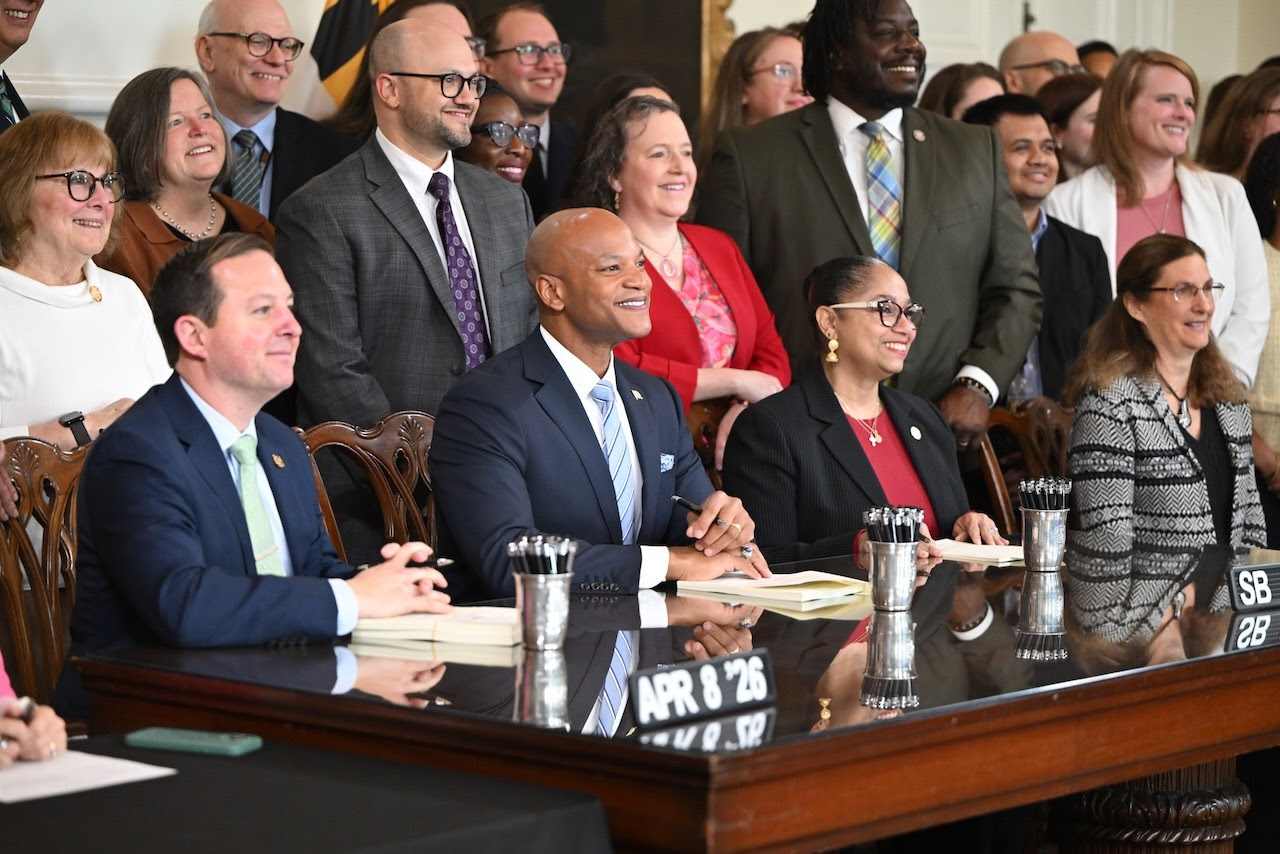
Governor Wes Moore, who signed the budget into law with bipartisan support, carved out tens of millions of dollars for quantum-related initiatives tied to its “Capital of Quantum” strategy. The largest allocation directs $20 million toward a multi-year, $50 million commitment to build a new headquarters for IonQ in College Park. The company, which develops trapped-ion quantum computers, is expected to anchor a growing cluster of commercial quantum activity near the University of Maryland. State officials position the investment as a way to secure long-term industry presence and job creation in a field still transitioning from research to early commercialization. Another $22 million is allocated to the University of Maryland Enterprise Corporation to expand the Quantum Start-Up Foundry and fund new test-bed infrastructure. These include the National Quantum Lab and additional facilities designed to give startups and researchers access to shared hardware, software, and experimental environments. Such test-beds are widely viewed as critical for lowering barriers to entry in quantum development, where equipment costs and technical complexity remain high. The budget also includes $20 million for a Deep Tech Facility in the University of Maryland Discovery District, aimed at supporting companies working across quantum, artificial intelligence, and related advanced technologies. An additional $12 million will support recruitment of faculty and technical experts through the University of Maryland and the Applied Research Laboratory for Intelligence and Security, or ARLIS, strengthening the region’s talent pipeline. State officials say Maryland has now secured more than $500 million in quantum-related investments since launching its initiative, including the arrival of Microsoft’s Quantum Research Center. The strategy reflects a broader shift among U.S. states to compete for leadership in quantum computing, networking, and sensing—fields that remain early-stage but are increasingly tied to national security, advanced manufacturing, and future computing infrastructure. “A budget is more than numbers on a page,” said Gov. Moore. “It tells our people what matters, it tells our people who we are fighting for, and it tells people whether we are willing to make hard decisions and still deliver. This budget protects our people, makes life a little more affordable for our people, and strengthens Maryland’s economic competitiveness. Together with our partners in the General Assembly, we said what we were going to do, and we achieved it.” According to the release, the state was committed to affordability and balanced finances. The plan includes no new taxes or fees, maintains the state’s Rainy Day Fund at 8%, and increases the fund balance to $250 million, while keeping general fund spending below the prior fiscal year.
Matt Swayne LinkedIn With a several-decades long background in journalism and communications, Matt Swayne has worked as a science communicator for an R1 university for more than 12 years, specializing in translating high tech and deep tech for the general audience. He has served as a writer, editor and analyst at The Quantum Insider since its inception. In addition to his service as a science communicator, Matt also develops courses to improve the media and communications skills of scientists and has taught courses. matt@thequantuminsider.com Share this article:
Tags
Source Information
Discussion
0 professional contributions
Sign in to join this professional discussion.
Be the first to add a constructive contribution.