
FCAT, Xanadu Researchers Advance Quantum Methods for Noisy Real-World Data
Understand this faster with AI


Insider Brief Fidelity’s Center for Applied Technology and Xanadu developed a quantum computing approach that adapts the Hidden Subgroup Problem to work with noisy, real-world data, advancing practical quantum applications. The research introduces methods that allow quantum systems to identify approximate patterns and relationships in imperfect datasets, addressing a key limitation of earlier quantum algorithms that required ideal conditions.
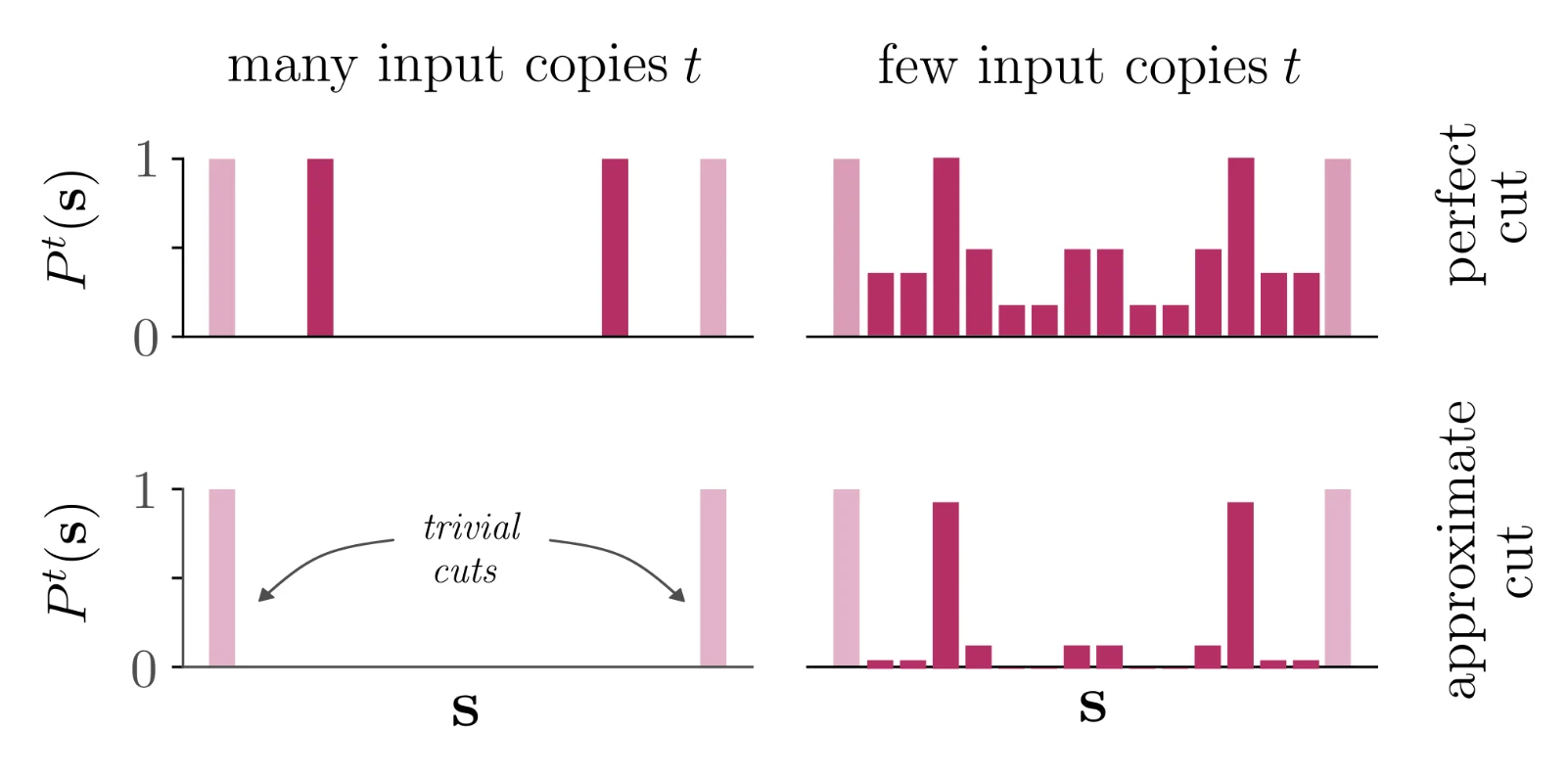
The teams have open-sourced their findings and code to accelerate broader research, aiming to move quantum computing from theoretical promise toward real-world use cases, particularly in areas like machine learning. PRESS RELEASE — The Fidelity Center for Applied Technology (FCAT®), an innovative technology resource for Fidelity Investments, has announced new research focused on developing real-world applications of quantum computing techniques based on computational tasks with a known quantum advantage. Conducted in collaboration with Xanadu, a leading photonic quantum computing company, the research adapts a well-known concept in quantum computing called the Hidden Subgroup Problem (HSP). Traditionally, quantum solutions to the HSP have only worked well in perfectly clean and highly structured scenarios – conditions that rarely exist in the real world. Because of this, its practical value has been limited. In their new research, the FCAT and Xanadu teams introduced methods that let quantum computers handle noisy, imperfect data instead of requiring flawless inputs. Rather than searching for a precise mathematical structure, their approach can uncover approximate patterns – the kinds of relationships and dependencies that naturally appear in real datasets. This shift could make quantum algorithms far more useful for real-world applications. “One of the biggest challenges in applying advanced computation to real data is that the structure is never clean or exact,” said Michael Dascal, VP Quantum Technology at the Fidelity Center for Applied Technology. “This work begins to explore how quantum approaches can be adapted to operate in realistic conditions, which is an important step toward understanding where quantum computing may eventually provide meaningful advantages.” “This research opens up a foundational quantum computing framework for new and exciting applications. We believe this work with FCAT to be a fundamental step in our goal of finding useful applications of quantum computers for machine learning,” said Christian Weedbrook, Founder and Chief Executive Officer of Xanadu. To encourage further development across the field, FCAT and Xanadu have made their research and supporting code openly available, inviting researchers across academia and industry to build on their results. This collaboration reflects a shared commitment to moving quantum computing beyond theory and toward real-world impact. Click here to access FCAT and Xanadu’s research paper and findings.
Matt Swayne LinkedIn With a several-decades long background in journalism and communications, Matt Swayne has worked as a science communicator for an R1 university for more than 12 years, specializing in translating high tech and deep tech for the general audience. He has served as a writer, editor and analyst at The Quantum Insider since its inception. In addition to his service as a science communicator, Matt also develops courses to improve the media and communications skills of scientists and has taught courses. matt@thequantuminsider.com Share this article:
Tags
Source Information
Discussion
0 professional contributions
Sign in to join this professional discussion.
Be the first to add a constructive contribution.