
DARPA Launches HARQ to Build Multi-Qubit Quantum Systems
Understand this faster with AI


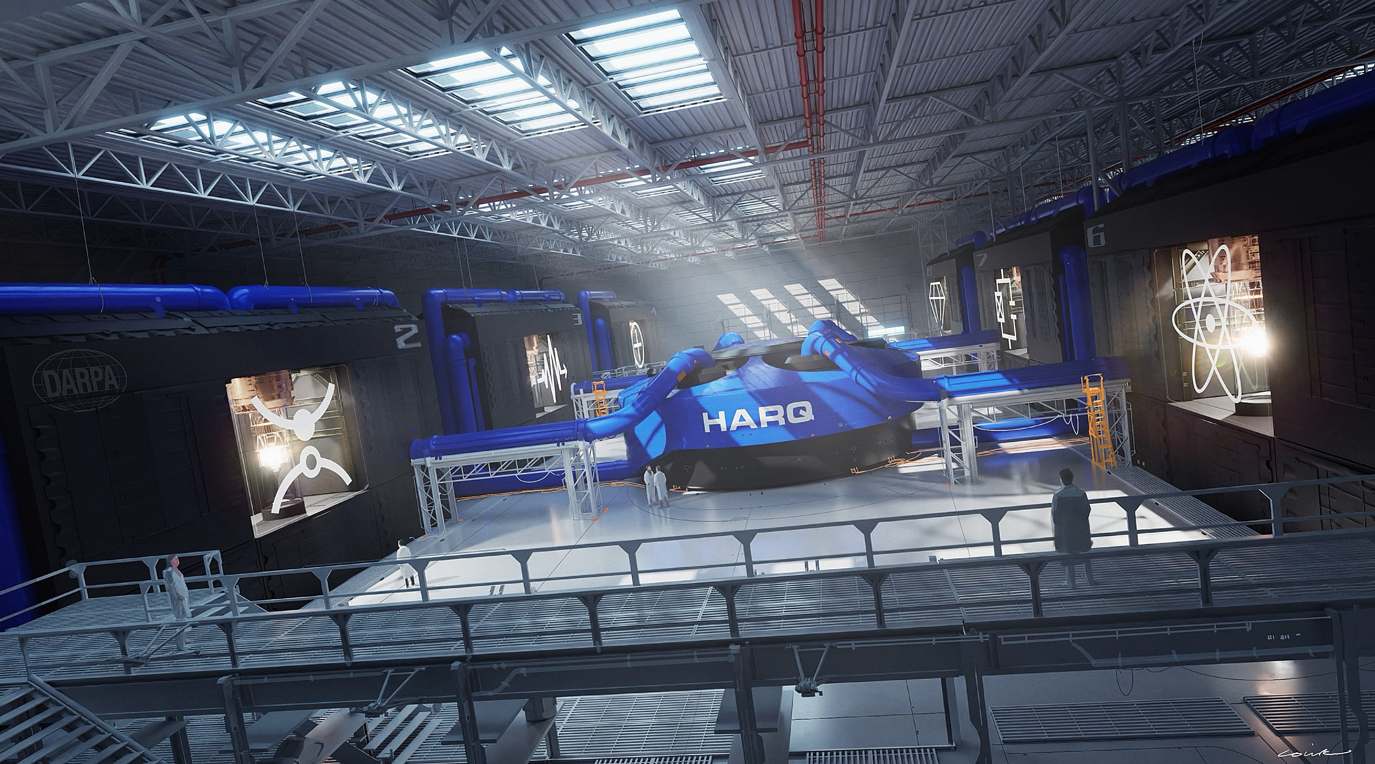
Insider Brief DARPA launched the HARQ program to develop heterogeneous quantum computing architectures that combine multiple qubit technologies into unified systems. The initiative includes two workstreams – MOSAIC for software optimization across qubit types and QSB for building high-fidelity quantum interconnects between different hardware platforms. Nineteen teams across academia and industry will collaborate over 24 months to establish scalable architectures for next-generation quantum systems and applications. Source and content credit: DARPA – all information and associated imagery are based on DARPA’s official release. PRESS RELEASE — DARPA has launched the Heterogeneous Architectures for Quantum (HARQ) program, an effort aimed at overcoming one of the most persistent barriers in quantum computing: how to move beyond single-technology systems to achieve and scale practical, high-impact applications. Despite rapid progress across the quantum ecosystem, most current approaches are built around a single type of quantum bit (qubit), which is the basic unit of quantum information. This constraint forces researchers to design entire systems around the limitations of one technology. The resulting homogeneous model stands in stark contrast to classical computing, which derives its power from heterogeneity through the integration of specialized processors such as CPUs, GPUs, and ASICs, each optimized for specific tasks. HARQ is challenging the quantum community to take a similar approach. At its core, HARQ seeks to establish a new paradigm: heterogeneous quantum computing architectures that combine different qubit types, each selected for what it does best, into a single system. “Qubit technologies each have their own distinct advantages, but no single approach can deliver everything needed for large-scale, high-performance quantum systems. HARQ is asking the community to shift away from a ‘one-qubit-to-rule-them-all’ mindset,” said DARPA Program Manager Justin Cohen. “We aim to define what a truly heterogeneous quantum architecture looks like and to develop the interconnects that make those systems possible. If successful, this approach could provide a far more efficient path to scaling quantum computing and unlock applications that remain out of reach today.” To realize this vision, 19 performer teams from 15 organizations will work on one of two parallel workstreams: Multi-qubit Optimized Software Architecture through Interconnected Compilation (MOSAIC) is centered around developing software frameworks and circuit compilers that can optimize a quantum algorithms’ performance and resources by using diverse qubit types. As its name suggests, the goal is to create compiled “mosaics” of physical circuits that are significantly more efficient than those produced by single-platform systems.
Quantum Shared Backbone (QSB) is focused on the hardware challenge of creating high-fidelity interconnects that support communication between different types of qubits. These efforts aim to enable technologies that link disparate qubit platforms within a single system. From experimentation to application at scale For quantum developers, HARQ represents a call to rethink system design beyond a single qubit type. For prospective users across industry, government, and national security, it signals a path forward from experimentation to operational capability. Over the next 24 months, HARQ performers will collaborate through intensive technical interchange and co-design efforts to develop the architectural principles, tools, and components needed for these systems. By demonstrating the feasibility and scalability of a heterogeneous approach, HARQ aims to lay the groundwork for larger-scale demonstrations and future quantum infrastructure investments, and pave the way for a new generation of quantum machines with the power to accelerate discoveries in materials science, chemistry, medicine, and beyond, providing a decisive advantage for national security. Performer teams Mosaic Infleqtion MemQ Q-CTRL University of Michigan University of Pennsylvania QSB University of Texas Austin Australian National University Carnegie Mellon University École Polytechnique Fédérale de Lausanne (EPFL) Harvard University IonQ Stanford University University of California Berkeley University of Illinois Urbana-Champaign University of Maryland Mohib Ur Rehman LinkedIn Mohib has been tech-savvy since his teens, always tearing things apart to see how they worked. His curiosity for cybersecurity and privacy evolved from tinkering with code and hardware to writing about the hidden layers of digital life. Now, he brings that same analytical curiosity to quantum technologies, exploring how they will shape the next frontier of computing. Share this article:
Tags
Source Information
Discussion
0 professional contributions
Sign in to join this professional discussion.
Be the first to add a constructive contribution.