
YouTube’s CEO caps his kids’ screen time: here's why
Summarize this article with:


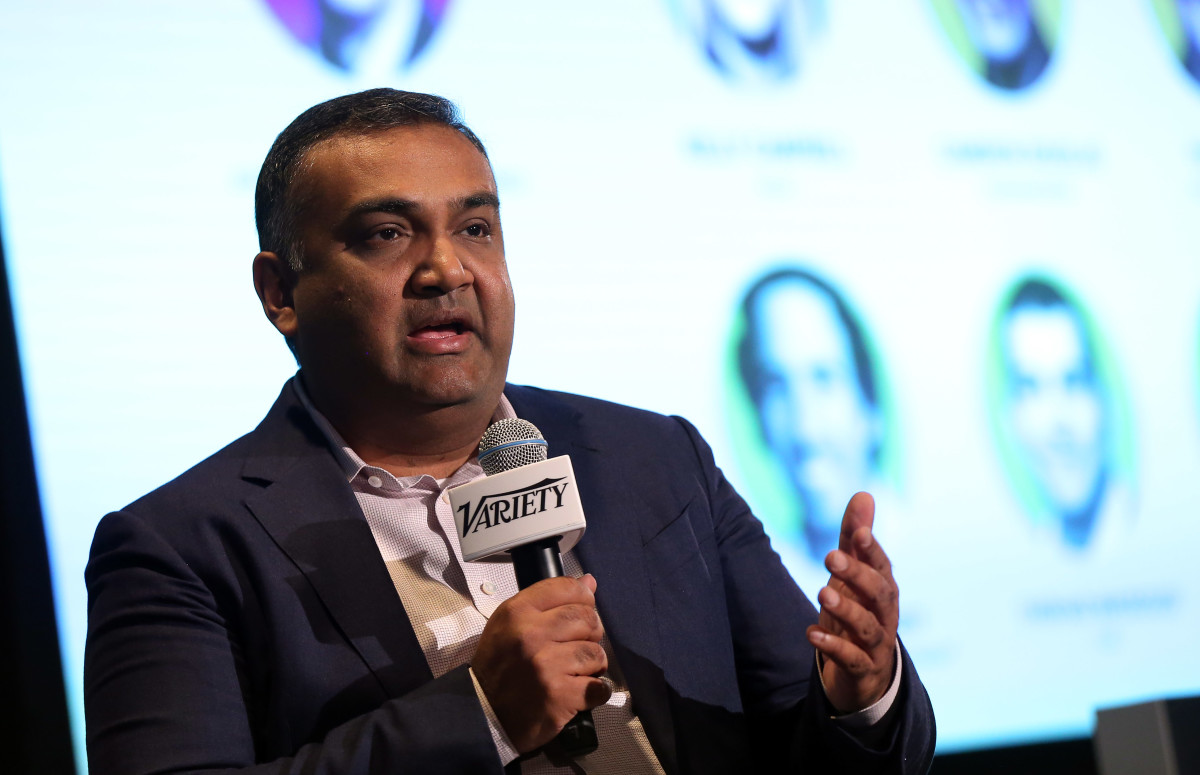
YouTube CEO Neal Mohan is drawing fresh attention to Silicon Valley’s parenting paradox after revealing that he strictly limits his children’s social media and screen time, even as YouTube remains one of the most powerful platforms in kids’ lives. His approach mirrors a broader movement among high-profile tech leaders who quietly impose tighter rules at home than their products require, citing mounting concerns about youth mental health, attention spans, and the addictive design of social platforms.Across the United States and Europe, policymakers, doctors and parents are wrestling with the same question: How much social media is too much for kids? While some governments push age-based bans and strict new rules for platforms, many of the industry’s own leaders are already acting in their living rooms, tightening controls long before any law forces them to.YouTube boss won’t let YouTube run his homeMohan, who took over as YouTube’s chief executive in 2023 and was named Time’s 2025 CEO of the Year, has increasingly framed youth safety as both a professional priority and a personal concern. In a recent interview with the magazine, he said he and his wife enforce “controlled and restricted” media use for their three children, with stricter limits on school nights and more flexibility on weekends rather than unlimited access driven by autoplay and algorithmic feeds.Public clips of Mohan’s remarks show him stressing that YouTube should support, not replace, parents’ choices, pointing to tools that let families set time limits, filter content, and lock kids into supervised experiences. YouTube Kids, launched in 2015, and newer supervised account settings are designed to keep younger viewers in more curated environments, but Mohan’s own home rules suggest he does not treat those protections as a license to let children browse freely. Tech-company leaders often put limits on their children's social media and technology use.Image source: BearFotos/Shutterstock Tech bosses limit their own kids' social media accessMohan’s stance places him in a long line of industry leaders — such as Bill Gates, as noted by CNBC — who publicly tout the benefits of social platforms and devices while privately constraining how their children use them. Former YouTube CEOSusan Wojcicki has said she barred her children from the main YouTube app, allowing only YouTube Kids under time limits, and described occasionally confiscating phones to force her family to focus on in-person time.Microsoft Co-founder Bill Gates has explained that his children could not have phones until age 14, with strict cutoffs in the evening and bans on devices at the dinner table, a policy he said hardened after he saw one child become “unhealthily” attached to a video game. Reports and interviews over the years have also detailed how Apple Co-founder Steve Jobs restricted iPad use at home. In addition, Apple CEO Tim Cook has said he would not want his nephew on social media, and Facebook founder Mark Zuckerberg has said he dislikes his young daughters sitting “in front of screens for a long time,” preferring video chats with relatives over passive consumption.New alarms over short-form videoA newer generation of tech veterans is now speaking more bluntly about design features they say are ill-suited to children, including endless scroll, autoplay, and short-form clips. YouTube co-founder Steve Chen argued this year that a diet built almost entirely on short videos “equates to shorter attention spans” and said he does not want his own children consuming only quick hits that make anything longer than 15 minutes feel unbearable, Fortune reported. He urged companies that distribute such content, including YouTube and TikTok, to impose extra safeguards like tougher age gates and firm usage caps for younger users.OpenAI CEO Sam Altman has likewise pointed to social media scrolling and short-form video as a “dopamine hit” loop that is “probably messing with kids’ brain development in a super deep way,” and called for parents to be more hands-on about what their children see online, according to Business Insider.
Even Elon Musk, who said in 2023 he had not historically restricted his children’s social media habits, later acknowledged this “might have been a mistake” and, as Fortune reported, advised parents to pay closer attention to “what they’re watching” and how algorithms are effectively programming their kids.Data links heavy social media use to teen distressThe tech bosses’ shift comes as research continues to link heavy social media use to higher rates of depression, anxiety, and other mental health challenges in adolescents, even as many teens also report positive experiences online. A 2025 longitudinal study in JAMA Network Open found that more time on social media during early adolescence was associated with increased depressive symptoms over time, reinforcing concerns raised in the U.S. surgeon general’s advisory on social media and youth mental health.Survey data from Pew Research Center show that 22% of U.S. teens who worry about youth mental health name social media as the main factor, and about half say these platforms mostly have a negative effect on people their age, even though many also credit social apps with helping them feel supported and accepted. European data from the World Health Organization found that more than one in 10 adolescents show signs of problematic social media behavior, such as struggling to control usage and suffering negative consequences, with those heavy users more likely to report lower well-being, substance use, poor sleep, and later bedtimes.How YouTube and rivals are adjustingUnder Mohan, YouTube has leaned on a mix of product tweaks and policy positions to argue that not all screen time or social media use should be treated equally. The company highlights educational channels, long-form explainers, and creative tools alongside its massive library of entertainment, and has urged governments to pursue “evidence-based” regulation that targets specific risky features — such as highly personalized ads to minors or frictionless sharing of private content — rather than blanket bans on platforms.When Australia prepared to roll out a ban on most social media accounts for under-16s, YouTube publicly argued that prohibiting teens from mainstream platforms would not eliminate risks but might push young people toward less regulated spaces, while also curbing opportunities for learning, civic participation, and creative expression. That line of reasoning allows YouTube to defend its business model, even as its chief executive showcases a personal parenting strategy that errs on the side of tight control and moderation.What screen limits look like for tech elitesDespite years of viral headlines claiming that Silicon Valley elites raise their children “tech-free,” academic work and reporting such as that from France's Le Monde suggest that most tech executives practice rationed use rather than outright bans. Analyses of local school choices and public interviews show many send their kids to institutions that delay personal devices and emphasize hands-on learning, while at home they deploy strict rules about when, where, and how screens can be used.Typical patterns include no phones in bedrooms, no devices at the dinner table, limited gaming windows on weekends, and social media accounts delayed until mid-teens or later, with parents retaining passwords or using network-level controls. YouTube’s own leadership appears to follow this playbook: Wojcicki confined younger children to YouTube Kids under time caps, according to Rolling Stone. Similarly, Mohan’s description of tight weekday restrictions and carefully managed weekends underscores a philosophy of “moderation with oversight,” rather than laissez-faire.What parents can do now to protect kidsFor many families, there is a striking dissonance in hearing that the people who profit from digital engagement often want far less of it for their own kids. Critics argue this underscores a kind of insider knowledge — that those building the attention economy are acutely aware of how persuasive design, recommendation algorithms, and engagement metrics can overpower children’s self-regulation. At the same time, Kids Mental Health says these disclosures provide an informal roadmap for parents trying to navigate an environment where schoolwork, friendships, and entertainment all run through screens.How parents can respond to kids’ social media useCreate a written family media plan that sets daily time limits, device-free zones, and clear consequences.Delay personal smartphones and social media accounts until at least early high school, and keep login credentials shared with parents.Keep phones, tablets, and laptops out of bedrooms overnight to protect sleep and reduce late-night scrolling.Turn off autoplay and restrict short-form feeds where possible, steering kids toward longer-form, educational, or creative content.Use built-in parental controls on platforms like YouTube, and periodically review watch histories and app usage together.Talk regularly with children about what they are seeing online, how it makes them feel, and how to handle harassment or disturbing content.Guidance from pediatric groups and public health authorities typically aligns with many of the practices tech executives describe: Keep screens out of bedrooms at night, end screen time an hour before bedtime, prioritize offline activities, and treat social media as something that needs active management, not blind trust. Surveys reviewed by The REACH Institute show that while most teens are heavy social media users, many also say they are at least somewhat concerned about its effect on mental health, suggesting that families can find common ground in setting limits that feel protective rather than purely punitive.Policy pressure adds to the squeezeMohan’s comments land as regulators and lawmakers around the world escalate pressure on platforms to redesign products for child safety by default. In the United States, tech CEOs from Meta, TikTok, Snap, and other platforms have been hauled before Congress to answer accusations that their apps are unsafe for kids, and several states have moved to require age verification, default privacy settings for minors, and clearer tools for parents.In Europe and other regions, new rules are pushing companies to limit data-driven advertising to children and assess how recommendation systems may amplify harmful content.These developments leave companies like YouTube trying to walk a fine line between defending revenue models built on engagement and acknowledging that unconstrained usage is not what even their own leaders want for their families. For now, the clearest signal comes not from a policy paper but from Mohan’s living room: The CEO of the world’s largest video platform is willing to tell his kids when to log off, even if the app never would.Related: Closed social media app people loved makes unexpected comeback