
American Airlines quietly went all-in on luxury seats and perks
Summarize this article with:


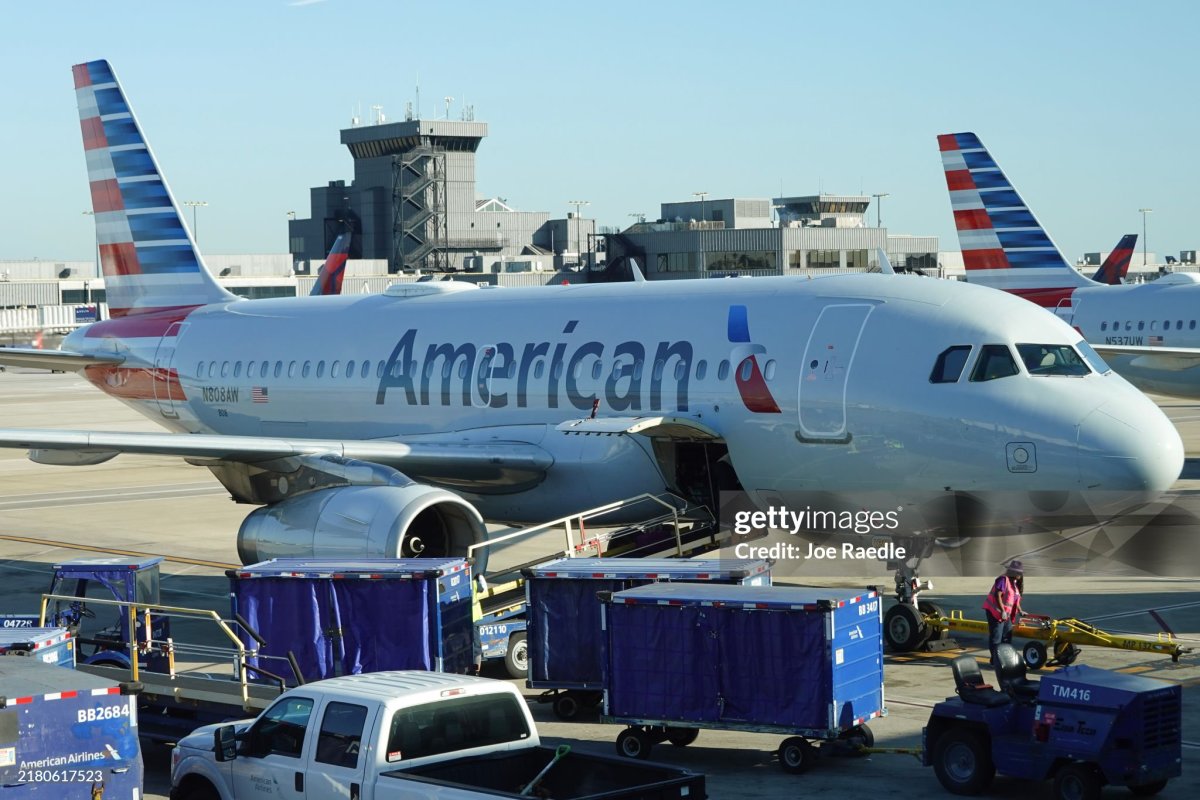
American Airlines is making the biggest changes to its cabins in years. The airline is targeting high-yield customers with a luxury-first strategy, reports CNBC, offering perks such as privacy-first Flagship Suites on new planes, Lavazza coffee, Bollinger champagne, and bigger lounges.The plan is clear: Spend more to get business travelers and wealthy leisure travelers, and then use loyalty and co-branded cards to keep them in the ecosystem. The issue for investors is whether such high-stakes investments can eventually bridge the gap between American Airlines, Delta Air Lines, and United Airlines. Long-range narrow-bodies become American’s latest transatlantic weapon.Photo by DANIEL SLIM on Getty Images How American Airlines plans to win back premium flyersAmerican Airlines is launching the Airbus A321XLR, which has a real three-class configuration. This is the first time a U.S. single-aisle plane has featured this kind of arrangement. The first customer trip for the aircraft left New York's John F.
Kennedy International Airport and flew to Los Angeles International Airport. This profitable transcontinental route also serves as a display for the new product.The A321XLR is a "skinny" aircraft with a long range that can fly up to approximately 4,700 nautical miles, which is far further than a typical cross-country journey. American Airlines wants to use that range to fly to smaller European towns from New York and Philadelphia. These are areas where a bigger, more costly widebody like a Boeing 777 or 787 would not be worth it.Related: You won’t believe what Coca-Cola just did with its coffee brandThe airline has previously mentioned some of the places the XLR may take you, such as Bordeaux and Marseille in France, Oslo and Stockholm in Scandinavia, Copenhagen in Denmark, and leisure markets such as Mallorca and Seville in Spain. Those are the kinds of cities that are "too small for a widebody," yet can make money with a smaller, long-range aircraft.This change comes after improvements to Boeing 787-9 planes and retrofits planned for 777-300ERs. The airline is also updating its regional airplanes with in-seat electricity, bigger bins, and better Wi-Fi so that all of its planes deliver a more premium experience.Key features of American Airlines' premium makeoverThe A321XLR has 155 seats, including 20 business-class suites, 12 premium economy seats, and 123 seats in the main cabin. This means that it has more premium seats than a regular A321.The lie-flat business-class suites feature privacy doors and additional storage, and they are designed to immediately compete with the best cabins of competitors once all the necessary certifications are obtained.American calls the new interior design "an ode to Americana," with dark blue and caramel tones. Extra seats offer better power and connection.AAL has also been spending money on larger and nicer lounges, in addition to new gear. For instance, at Ronald Reagan Washington National Airport, the airline aims to add nearly 50% more seats to its Admirals Club. This is part of a larger effort to attract high-end visitors both on the ground and in the air.Inside American’s long-range "skinny jet" strategyThe order for the A321XLR is a long-term gamble. In 2019, American bought 50 of the planes and hopes to have roughly 40 of them in operation by the end of the decade. The aircraft can fly for more than eight hours on a single aisle, since it has an additional fuel tank and a longer range. This tests whether customers would tolerate a smaller cabin on excursions formerly dominated by bigger planes.Related: Intel CEO deals spark controversy, debateThe network team at American sees three primary benefits to the XLR approach.The jet allows the airline to fly straight to more secondary European destinations, a positive for business travelers and high-end leisure consumers who want to avoid connections.The plane lets American change the number of seats in a more flexible way. The airline may still provide lie-flat seats and premium economy on days or routes that couldn't fill a 777 or 787 economically, but at a lower cost.The XLR follows a larger trend in the industry. Other airlines, including JetBlue Airways and Iberia, American's oneworld partner, use long-range narrow-body planes for certain transatlantic flights. They think consumers will be willing to give up a little space in the cabin for a nonstop flight and a decent seat.The interior design demonstrates how serious American is about making money from premium services.The XLRs will feature 155 seats, with 20 in business, 12 in premium economy, and 123 in the main cabin. This is different from the earlier A321T, which only has 102 seats with separate first-class and business cabins. That is still less than the 190 seats on a conventional high-density A321, but there are more high-yield consumers in the mix.Why Wall Street is still wary of American AirlinesAAL shares were down more than 7% for the year as of November 2025. Delta and United, on the other hand, were up around 20%. Investors are still wary, since American did poorly recently, losing money in the third quarter while its competitors made money.Analysts say the margin will slowly rise to around 9% in 2026, up from about 7.3% presently. However, this is still far below Delta's expected 15%. American's hefty debt burden, which is mostly from earlier buybacks and a smaller widebody fleet, continues to limit its financial flexibility.American Airlines investors should pay attention to these things:A debt overhang from previous fleet and share buybacks.Losses in the third quarter while major competitors made money.Margin forecast that is still below the most profitable carriers in the business.There are also worries of labor unrest. American's pilot incentives were recently approximately 0.6 percent of profits, whereas Delta's were nearly 10 percent. This angered many and raised issues about morale, especially because the airline is urging workers to deliver a better customer experience.Could new jets and loyalty perks turn things around for American Airlines?American Airlines CEO Robert Isom is investing big in the premium strategy. If the A321XLR deployment and new reward program work, American might get more business from high-spending customers and corporate clients who worry about schedule, privacy, and lie-flat seats as much as they do.The airline is trying to repair its relationships with travel agents and regain distribution agreements it had previously broken. Rebuilding such channels might be the key to selling more high-end seats, increasing revenue per available seat mile, and stabilizing profitability.American is modifying its rate policies in ways that benefit customers who pay more for their tickets.More Airlines:American Air launching 15 new summer routes between U.S. citiesLow-cost airline will launch new flight to South Korea from USAmerican Airlines joins the Spirit Airlines bankruptcy caseJetBlue Airlines founder shares why Frontier needs Spirit AirlinesAfter mid-December 2025, basic economy tickets will no longer earn AAdvantage miles or Loyalty Points. This means budget passengers will have to pay more for tickets if they wish to earn status and rewards. American discreetly removed such rewards, making it one of the first major U.S. airlines to stop giving frequent flyer credit on its lowest rates.American Airlines will receive a new co-branded credit card with Citi in 2026. It will be aimed at frequent fliers and big spenders, providing better mileage accrual and lounge-style privileges. This will give American another high-margin income stream connected to its loyalty program.Leaders at the corporation say the expenditure is planned. Nat Pieper, the new chief commercial officer, has characterized the plan as combining "spend to grow" with discipline. He says that American can't narrow the gap in its margins with Delta and United only by cutting costs; it must target premium revenue, but do it sensibly.American still lags behind its competitors in terms of operational dependability, however. It ranks worse than its contemporaries in terms of on-time arrivals and customer satisfaction. If execution doesn't improve, the inconsistency might restrict the potential gains from luxury spending.The question for both customers and stockholders is whether American can continuously provide a notably superior service while translating premium expenditures into higher, steadier cash flow.Related: Nvidia’s China chip problem isn’t what most investors think